Sexual Revolution
Johanna Demetrakas / Lionel Soukaz / Jack Smith
au cinéma Le Méliès
(1974, 47 min, Couleur)
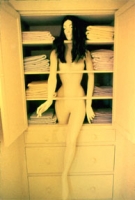 « En 1972, fût créée une exposition dont on a beaucoup parlé : « Womanhouse ». Sous la direction de Miriam Shapiro et de Judy Chicago qui devinrent des figures majeures de l’art féministe dans les années 70 et 80 (…), vingt-quatre femmes (dont Faith Wilding) aménagèrent une maison à Los Angeles. L’espace domestique devenant espace d’exposition, la distinction entre public et privé disparaissait et les conventions régissant la représentation volaient en éclats ; la salle de bain et la maison de poupée devenaient des espaces d’exposition « appropriés » à l’art féministe. « Womanhouse » encensait ce qui était considéré comme trivial : les produits de beauté, les tampons hygiéniques, le linge de maison, les bonnets de douche et les sous-vêtements devenaient des matériaux hautement artistiques. Tous les médias s’y intéressèrent, en réalisant souvent des reportages à sensation ; l’exposition apportait la preuve que l’art féministe avait un public nombreux et passionné » Peggy Phelan, Art et Féminisme, éd. Phaidon.
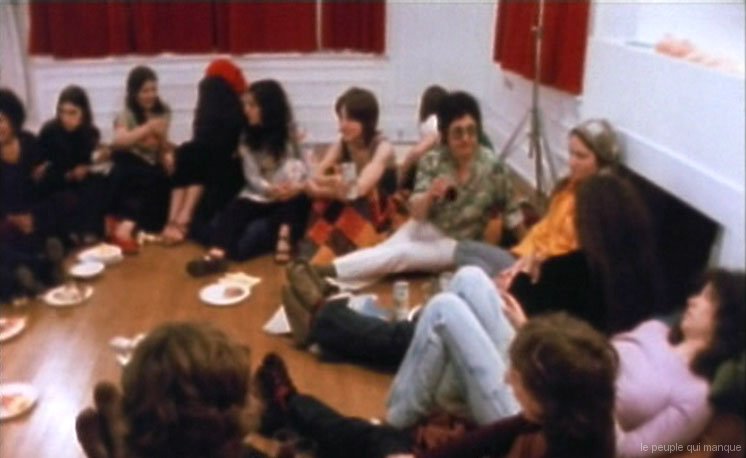
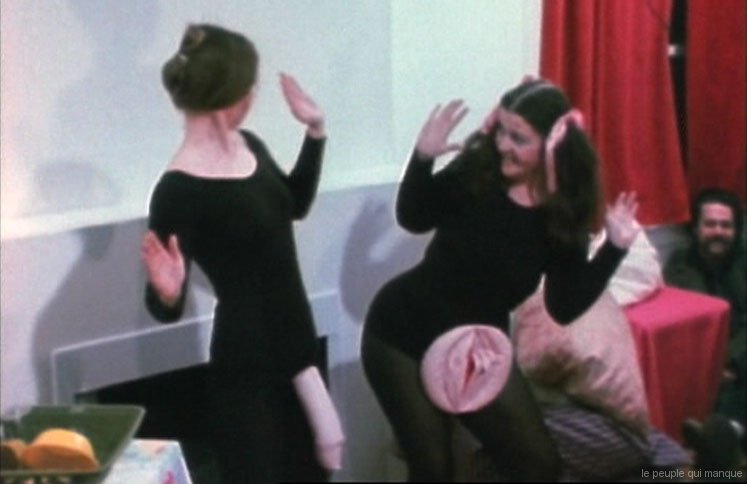
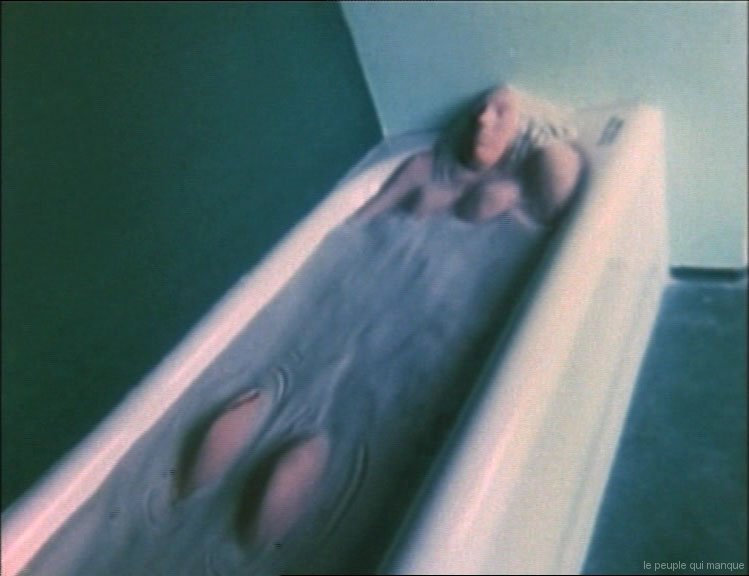
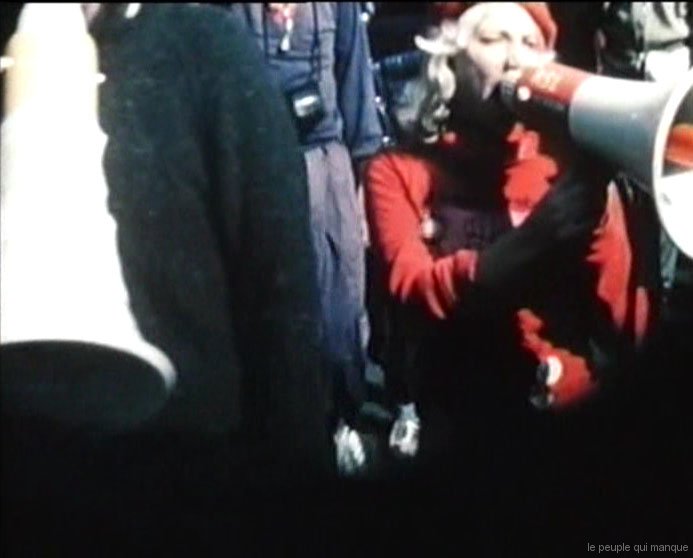
Womanhouse est un documentaire historique prodigieux sur l’un des événements culturels féministes les plus importants des années 70 aux Etats-Unis. Il ne se limite pas à être le témoin de plusieurs performances fameuses telles Waiting (Attente) de Faith Wilding ou Cock and cunt play (La pièce de la bite et de la chatte) de Judy Chicago, ainsi que des différentes pièces de l’exposition-maison Nurturant Kitchen (Cuisine nourricière), Menstruation Bathroom (La salle de bains des règles), Nightmare Bathroom (La salle de bains des cauchemars) ou encore de l’installation Linen Closet (Placard à linge), mais retrace également les ateliers de prises de conscience collectives, les interactions avec le public, et toute l’énergie de cette époque. KQ&AI (distribution: le peuple qui manque)
La marche gay de Lionel Soukaz
(13’, 1980) / en sa présence
« Lionel Soukaz est un auteur rare. Il filme sans tabou, sans concession. Enfant de mai 68, il est celui de la libération sexuelle, du plaisir de vivre avec excès ses désirs, la drogue, le sexe. Témoin sensible de son temps, celui qui filme ses amis, Guy Hocquenghem, Copi et les autres moins célèbres, filme aussi la tragédie du sida, des réunions d’Act Up aux murs blancs de l’hôpital. Pour parler de son style, son ton, son ami, le philosophe René Schérer, évoque « une vitalité désespérée », Nicole Brenez, combattante du cinéma expérimental, qualifie son cinéma « d’éros politique ». » Aude Lavigne, France culture, 2002
Flaming Creatures de Jack Smith
(1963, 45min, Etats-Unis)
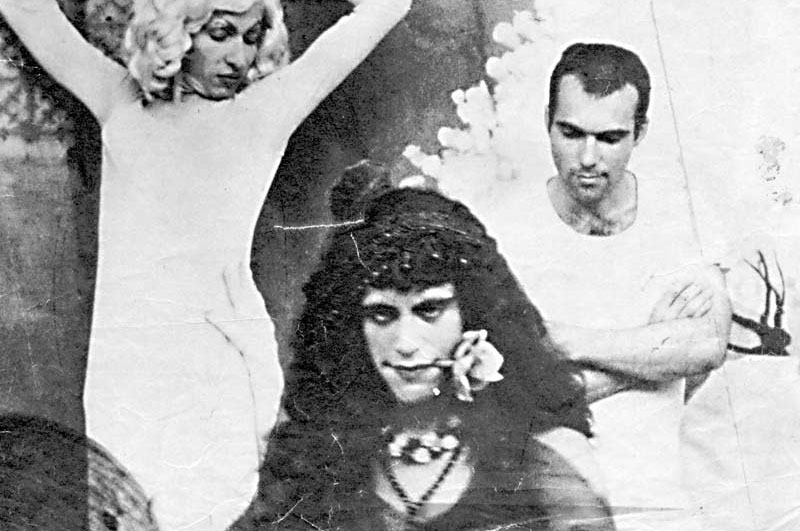 Jack Smith est une des figures marquantes du cinéma underground américain. Sa notoriété et son importance dépasse le cercle du cinéma expérimental, dans la mesure où il a influencé de manière prépondérante par ses performances, le théâtre américain de la fin des années 60. Flaming Creatures déclencha dès ses premières projections l’ire de la censure aux Etats Unis et il fût longtemps interdit (Jonas Mekas et Ken Jacobs furent arrêtés en 1964 pour avoir voulu le présenter publiquement).
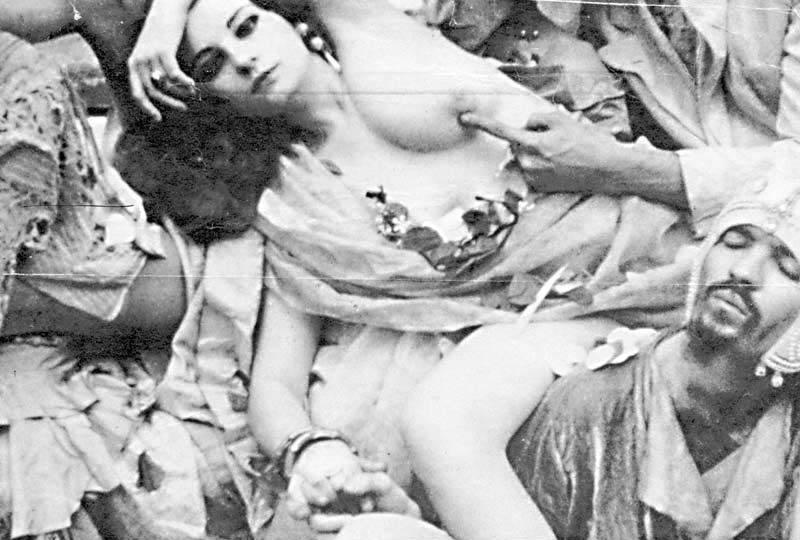
Flaming Creatures est tourné sur du 16 mm périmé. Un film rare et réputé pour son aspect novateur et choquant. Un film sexuel et sexuellement déviant où se mêlent orientalisme, vampirisme, tremblement de terre et travestis dans une quasi unique séquence d’orgie dionysiaque. Censuré pour son caractère pornographique le film tire pourtant plus du côté de la tragédie grecque. Ginsberg en saluait la libre expression artistique et sa propension à la dissidence. (Cinémathèque de Toulouse).
Textes: KQ&AI