Luttes féministes – Films de lutte
Quand elles se sont emparées de la caméra
au cinéma Le Méliès
Séance en présence de Dominique Barbier, Josiane Joüet et Hélène Fleckinger (historienne du cinéma féministe des années 70) .
de Soazig Chappedelaine
(en collaboration avec René Vautier) (67‘, 1977)
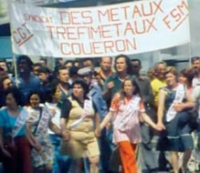 « Luttes ouvrières. 1975 : usine Tréfimétaux, à Couëron, banlieue de Nantes. Une grève classique au départ, pour soutenir les revendications salariales. Lutte où les femmes « prirent la colère » en occupant le bureau du directeur qui refusait de les recevoir. Plainte, procès pour séquestration… Le blocage de la direction, plus la ténacité des salariés, donneront un an de lutte exceptionnelle et exemplaire, qui mobilisera la solidarité dans toute l’agglomération de Nantes – St Nazaire. »
Narrant la courageuse action de solidarité des femmes avec les grévistes de l’usine et l’émergence d’une prise de conscience collective, à la fois féministe et ouvrière, le film de Soazig Chappedelaine se fait aussi une chambre d’écho sensible aux aspirations des douze femmes inculpées, évoquant les motifs de l’amour dans leur confrontation avec le travail et la vie ouvrière et la quête d’une émancipation sexuelle dans son rapport avec la lutte des classes.
de Dominique Barbier, Josiane Joüet et Louise Vandelac
(30’, 1977)
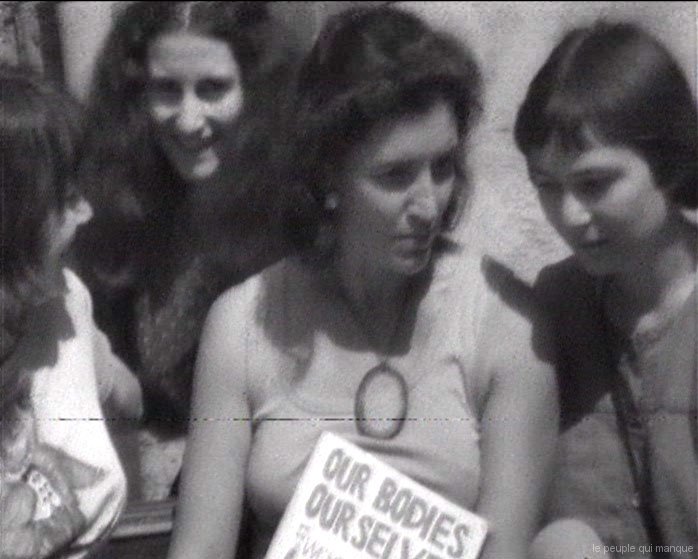 « Connaître son corps avec d’autres femmes pour mieux l’habiter et le contrôler» : tel fut le thème central des Rencontres internationales des Centres de santé pour femmes, qui rassemblèrent à Rome en juin 1977, 300 femmes et notamment le collectif de Boston, auteur du manuel féministe pionnier « Our bodies, ourselves ».
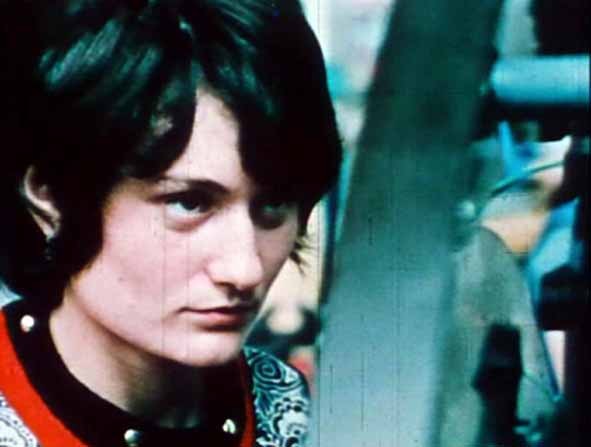
A notre santé retrace les pratiques d’« autosanté » collectives, qui constituèrent un enjeu fondamental pour le mouvement féministe. Adoptant une attitude critique en regard de l’autorité médicale et de sa méthodologie souvent sexiste, nombre de luttes furent organisées autour de la réappropriation du corps et de la sexualité des femmes par elles-mêmes.
A notre santé s’inscrit dans la lignée des films militants des années 70 qui firent de la vidéo le support privilégié pour populariser et accompagner les luttes, médium particulièrement propice à se poser à la fois en contre-pouvoir face au monopole des médias détenus par les hommes et vecteur souple et familier d’une « quête d’identité individuelle et collective », érigeant « en pratique politique la mise en commun de l’expérience personnelle des femmes, honteusement reléguée dans le domaine de la vie privée et du cas individuel, dans le contexte de l’idéologie dominante » constituant ainsi une réelle « pratique audiovisuelle autonome des femmes », comme le rappelle opportunément Hélène Fleckinger in C’est avec la vidéo que nous nous raconterons, 2005.
Textes et programmation : Kantuta Quirós & Aliocha Imhoff