« Coyotes » et frontières
Genres, migrations et artistes
de la performance en Amérique Centrale.
Regina José Galindo / Maria Adela Diaz / Ursula Biemann
Maison Populaire de Montreuil
Entrée libre
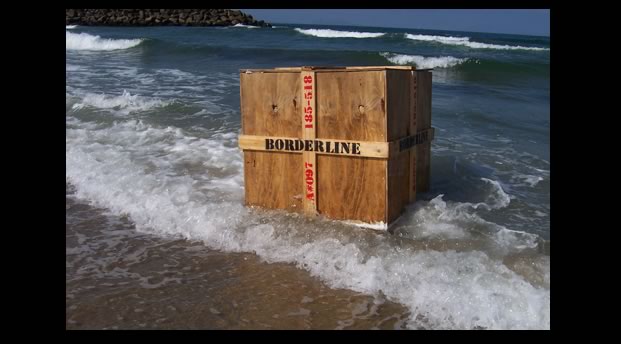
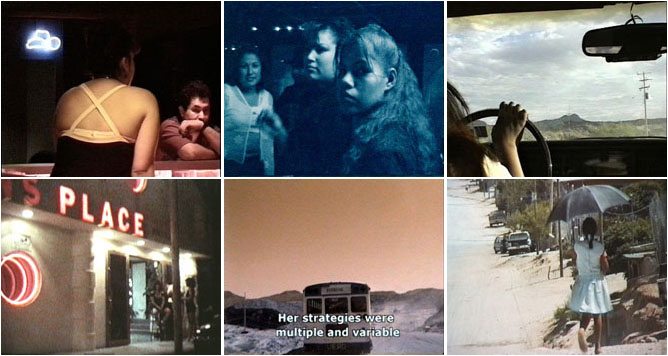
Si l’Amérique Centrale est le lieu aujourd’hui d’un patriarcat qui s’articule désormais à la complexité d’une situation de globalisation économique, au sein de laquelle les maquiladoras4, les migrations transfontalières avec les Etats-Unis et un féminicide 5 qui sévit actuellement en Centre-Amérique, jouent un rôle déterminant, elle est aussi la matrice de nouvelles générations d’artistes dont le travail de performances recèle une rare force et intensité. En présentant le travail d’artistes performeuses méconnues en France, nous avons souhaité nous faire plus largement le reflet de la vitalité et radicalité du féminisme latino-américain et de l’expressivité et puissance d’évocation de ses résistances incarnées.
Séance en présence de Jules Falquet
(spécialiste des mouvements sociaux et des théories féministes en Amérique latine)
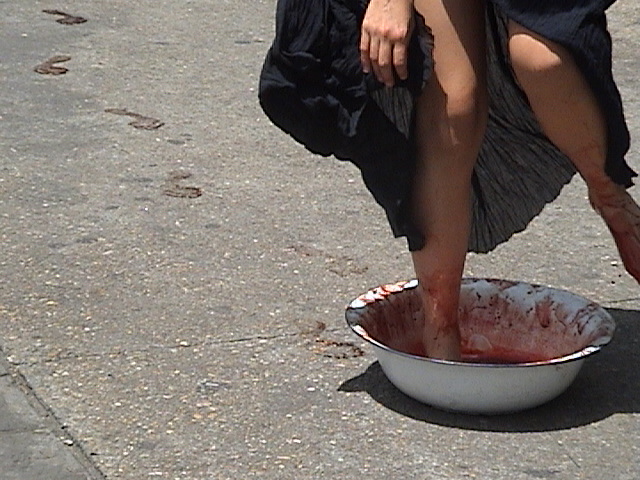
Qui peut effacer les traces ? Regina José Galindo
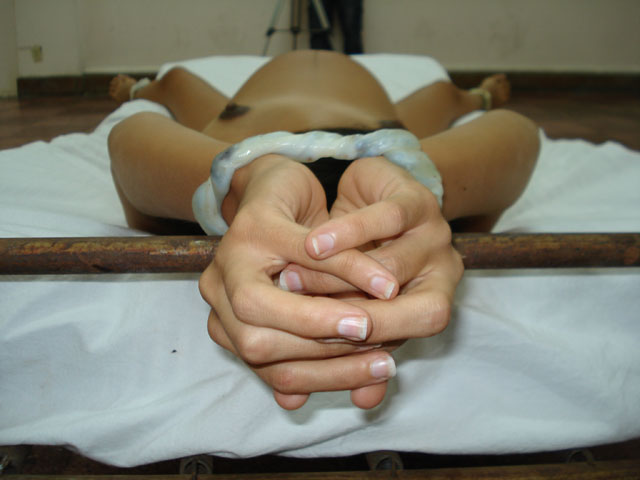
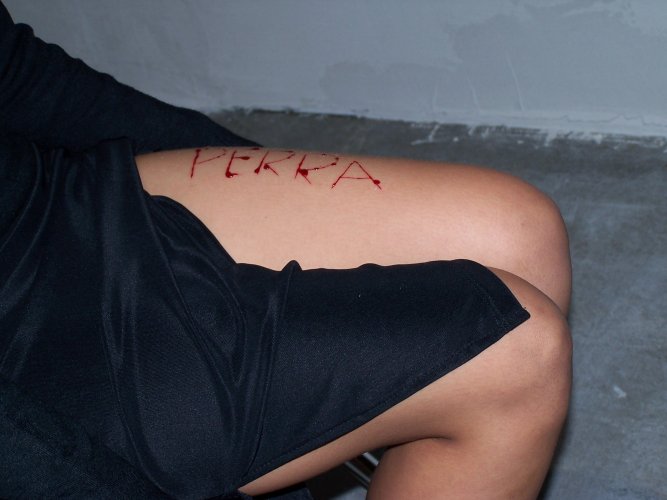
Poétesse et performeuse, Regina José Galindo figure depuis le milieu des années 90 comme une des artistes guatémaltèques les plus emblématiques de sa génération. Au cours de ses performances controversées, dans lesquelles son propre corps est le véhicule par lequel elle dénonce les conflits politiques et sociaux, la violence et l’injustice économique, elle rend hommage aux morts et disparus de la guerre civile des années 80-90, et de la dictature génocidaire du général Rios Montt. Son travail est aussi une explicitation de la violence faite au corps des femmes dans le monde actuel, et plus spécifiquement en Amérique Latine, avec le féminicide qui a cours en Amérique centrale, la survalorisation de la virginité des femmes, leur exploitation sexuelle, les violences domestiques. « Je suis un lieu commun (…) Je suis femme la plus commune entre les communes » écrit Regina José Galindo. Portant jusqu’à sa limite l’affirmation que l’art est la vie, Regina José Galindo transcende la dimension artistique de ses performances, qui contribuent de manière poétique, à soulager, comme elle le dit, la douleur collective du peuple guatémaltèque.
Vidéos-performances : ¿Quien puede borrar las huellas ? (2003, 1’50’’) / Mientras, ellos siguen libres (2007, 2’25’’) / Himenoplastia (2004, 7’) / Perra (2005, 5’20’’) / Ablucion (2007, 4’) / Limpieza social (2006, 2’)