André Almuró,
une cinégraphie homosexuelle radicale
Vendredi 7 décembre 2007 à 20h30
Maison Populaire de Montreuil
Entrée libre
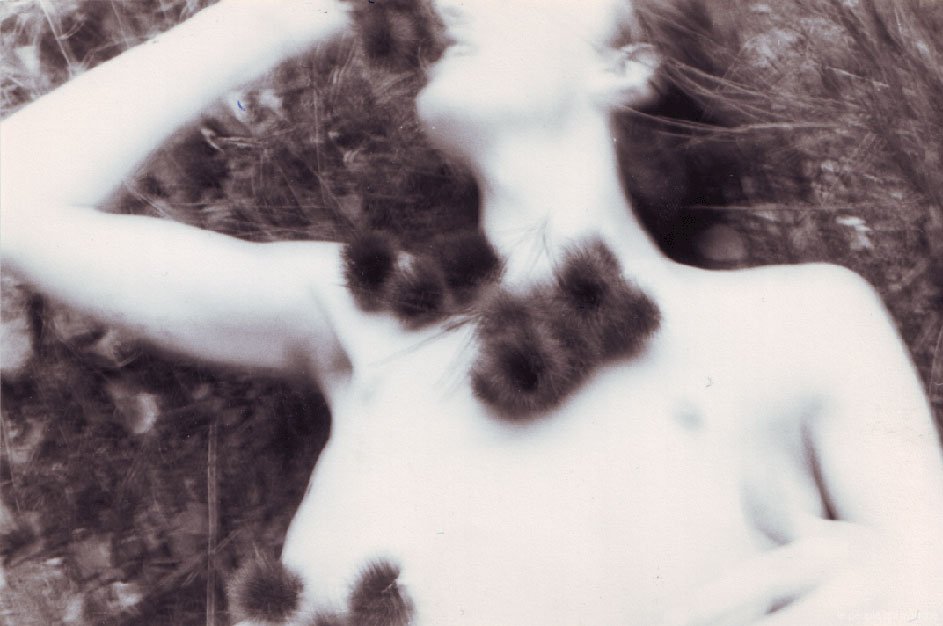
Inventeur avec Jean-Luc Guionnet d’un cinéma haptique, cinéma du toucher, où la caméra non plus guidée par l’œil mais par le bras seul des actants à la fois filmeurs et filmés, pénètre de façon sensorielle au cœur des corps et des agencements de son désir, le cinéma en super 8 d’André Almuró, par ailleurs compositeur de musiques électroacoustiques, constitue certainement l’une des recherches les plus abouties d’un langage cinématographique spécifiquement masculin et homosexuel. Ses films qu’il réalise depuis 1978, dans le miroitement de la minéralité des peaux, dans le frémissement sculptural de la rencontre, constituent une expérience unique de vision organique.
« Entre deux hommes, un cinéma d’orgasme et de désir au bord de la syncope, une tentative d’accorder la jouissance du corps à la jouissance de l’acte de filmer, tentative quelque part « impossible » mais ô combien fascinante et digne du plus haut intérêt, car issue du plus grand risque, celui de la vie même » Christian Lebrat
André Almuró, né en 1927 et après de premières recherches sonores à partir de 1947, devient producteur de radio à la Radiodiffusion française (RDF) en 1950. Il compose sur des textes de Jean Cocteau, Pablo Picasso, Eugène Ionesco, Jean Genet, Julien Gracq, Jules Supervielle et la pièce Fièvre de marbre pour le ballet de Maurice Béjart. En 1957, année où il rencontre le jeune Pierre Clémenti dont il fût un temps le Pygmalion, il intègre le Groupe de recherches musicales de l’ORTF. À partir de 1973, il enseigne à la Faculté Paris I Sorbonne. En 1976, il présente sa première action performance Partition avec Ange Leccia; fonde le groupe Son-Image-Corps avec ses étudiants. En 1978, il réalise son premier film, Cortège (musique de Ph. Jubard), qui sera suivi par plus de 30 autres, et s’oriente très vite vers un cinéma délibérément haptique. En 2002, il publie « L’œil Pinéal, Pour une cinégraphie » aux éditions Paris-Expérimental.
Films présentés :
Cortège (1978, 34’)
Alliage (1985, 21’)
Point Vélique (1986, 7’)
Corps intérieur (1988, 8’)
Textes et programmation : Kantuta Quirós & Aliocha Imhoff