Queer Black Art
Marlon Riggs, Howardena Pindell, Wapinduzi Productions
Maison Populaire de Montreuil
« Le racisme, comme le sexisme, est une pathologie avant tout visuelle : il s’accorde sur les différences que l’on perçoit des apparences et non sur les différences d’ascendance génétique. L’art est avant tout un medium visuel. Ainsi l’art politique devrait sembler avoir le potentiel pour fournir un puissant antidote au racisme… » Adrian Pipper, 1998 (citée par Elvan Zabunyan in Black is a color). Les artistes africains-américains qui s’inscrivent, aux Etats-Unis, depuis les années 60, au sein de l’art féministe et depuis les années 90, au sein d’un art queer, se sont affrontés aux oppressions inscrites jusque dans leurs corps et leurs peaux. Les arts visuels se sont fait le lieu privilégié d’un tel travail critique. Par l’élaboration poétique et politique d’une culture plastique rendant compte de l’expérience noire et celle de sujets sexuels abjectés, vidéos activistes et vidéos d’artistes ont relevé la gageure de l’invention d’utopies et d’autonomies identitaires.
Tongues Untied de Marlon Riggs (55’, 1990)
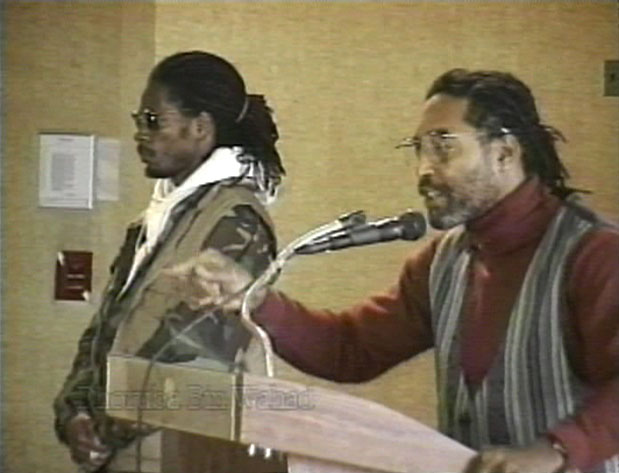
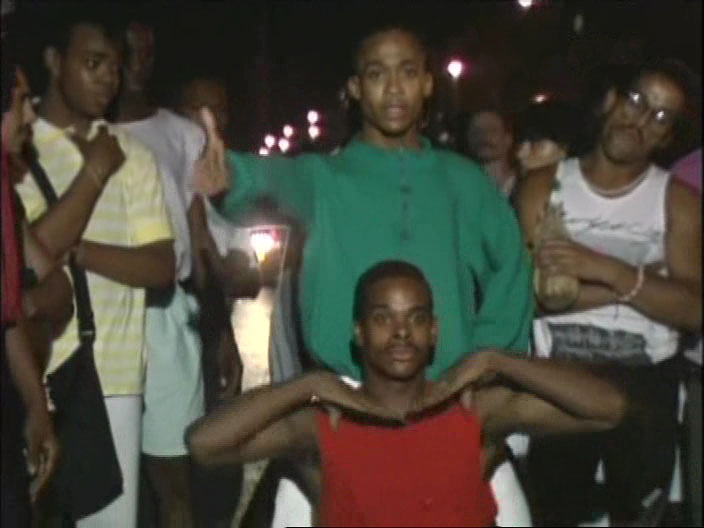 « Des hommes noirs aimant des hommes noirs est l’acte révolutionnaire », est-il dit dans « Tongues untied » (Langues déliées), réalisé en 1990 par le cinéaste, enseignant, activiste, et essayiste afro-américain Marlon Riggs mort du sida en 1994, dans ce film d’artiste où il est question de l’appartenance à l’identité noire et à l’identité gaie et de la difficulté de se représenter dans une expérience qui est pensée comme contradictoire. Se faisant la chambre d’échos de récits singuliers d’hommes noirs en butte au mépris homophobe de la communauté noire et au déni de toute reconnaissance des noirs dans la communauté gaie californienne, les personnages de Tongues Untied se trouvent tous exilés d’eux-mêmes. Il est encore question, dans ce film à la beauté incantatoire, du silence, arme mortifère, de la colère non exprimée, de cette humanité dont l’injure cherche à déchoir, et de la mort sociale qu’engendrent le racisme et l’homophobie de la société américaine. Une des voix du film, dit ainsi : « J’étais un homme invisible, je n’avais ni ombre, ni substance, ni place, ni histoire, ni reflet ». Les récits qui s’entrecroisent, entremêlés à des poèmes d’Essex Hemphill, Steve Langley, Alan Miller, des chansons de Nina Simone ou de Roberta Flack, de performances rap issues des subcultures des ballrooms et du voguing, s’affranchissent du mutisme, tissant une communauté d’expérience et une communauté d’action.
Free, White and 21 de Howardena Pindell (1980, 12’)
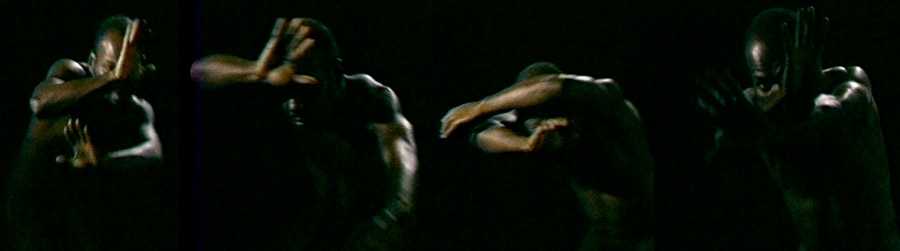
Née en 1943, peintre conceptuelle d’origine afro-américaine, Howardena Pindell est amenée à s’interroger sur la condition des femmes et le colonialisme au travers de la vidéo. « En tant qu’artiste noire, le premier effet que vous ressentez quand vous entrez dans une galerie a encore à voir avec la couleur de votre peau. Vous n’êtes pas d’abord vu(e) comme un(e) artiste mais comme une entité politique. » dit-elle en 1980. Free, White and 21, vidéo en forme d’autoportrait, relate les expériences de l’artiste, critiquant les féministes blanches et le racisme régnant dans le monde de l’art. (distribution: le peuple qui manque)
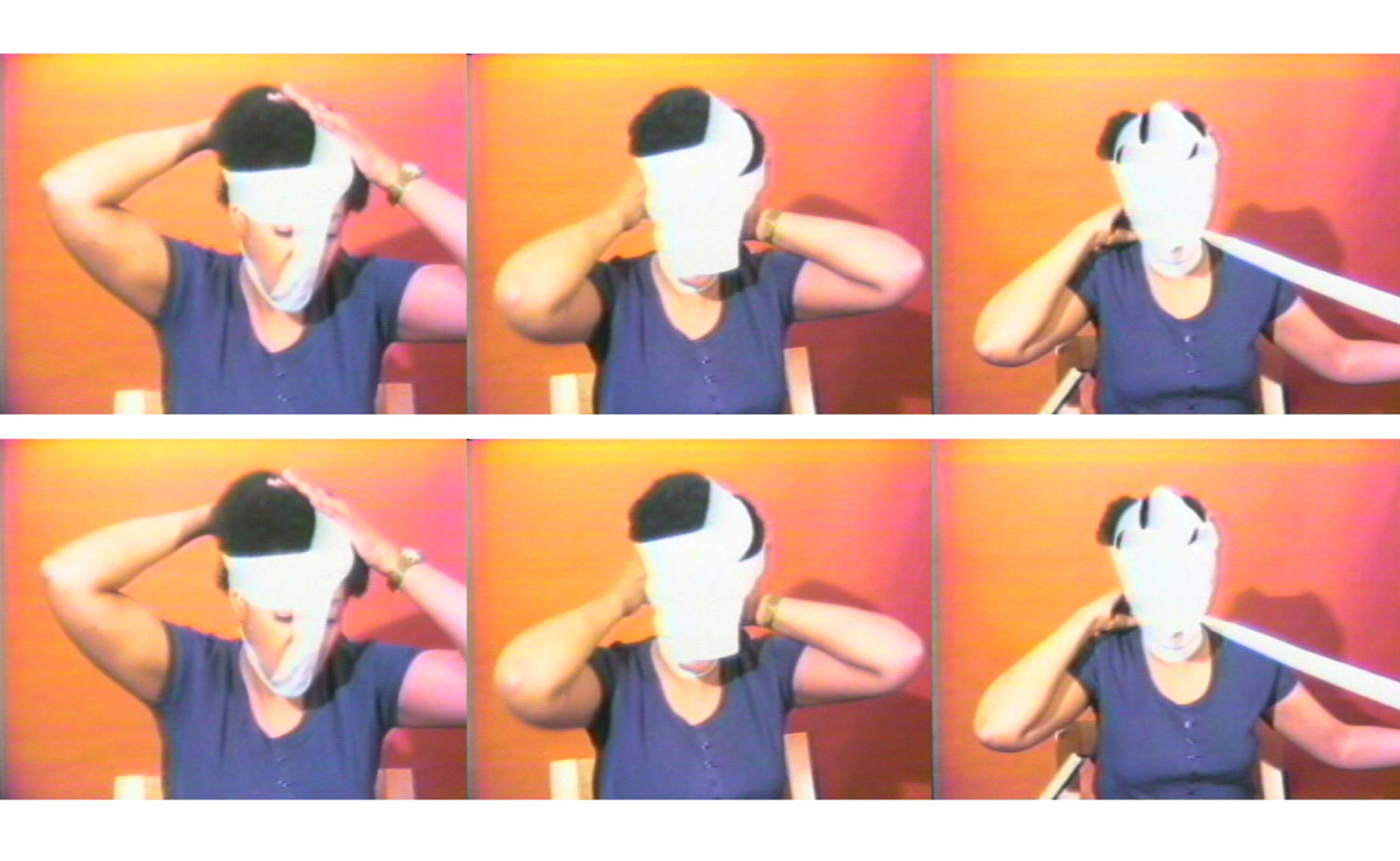
Via New Work de Kagendo Murungi (Wapinduzi Productions) (1995, 10’)
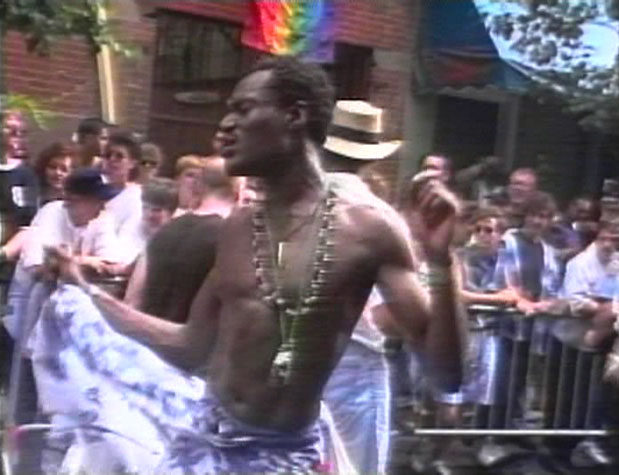
Via NewYork explore la politisation des étudiants Africains à New York et la participation des lesbiennes et gays sud-africains dans les luttes contre l’apartheid, et constitue ainsi un instantané des vies lesbiennes et gaies africaines au travers de l’angle de la migration et de la vie universitaire, expériences qui catalysent toutes deux transformation de soi et changement social.
Wapinduzi Productions est une base africaine multimédia, translocale et indigène pour la création indépendante et la distribution de vidéos féministes et LGBTST « de couleurs » autour du monde.