“Ton corps est un champ de bataille”
Art et féminisme
Carolee Schneemann / Valie Export / ORLAN
Vendredi 9 novembre 2007 à 20h30
Maison Pop’ de Montreuil
Entrée libre
En présence de ORLAN et de Caroline Bourgeois (directrice du Plateau et commissaire de l’exposition Valie Export au CNP en 2003)
 Durant les années 60-70, les artistes féministes ont ébranlé l’art contemporain dans le trouble qu’elles ont su insuffler aux limites de l’art (« le privé est politique », critique du monde de l’art et rapport à l’institution, etc.). Nous présenterons les vidéos de trois artistes majeures qui, entre critique sociale et représentation artistique, ont su transmuer les rapports entre corps, regard et condition féminine.
Carolee Schneemann est célèbre pour sa contribution fondamentale au body art américain et son itinéraire oscillant entre peinture, happening et Fluxus. Mêlant des films autour d’une sexualité dionysiaque (Meatjoy, 1964) et une érotique cinématographique fondée sur la correspondance entre le voir et le sentir, l’échange des regards loin d’une objectivation et fétichisation des femmes (Fuses, 1965), elle mène une recherche sur les tabous, l’« espace vulvaire » et une expérience viscérale de la chair (Interior Scroll, 1975, Body collage).
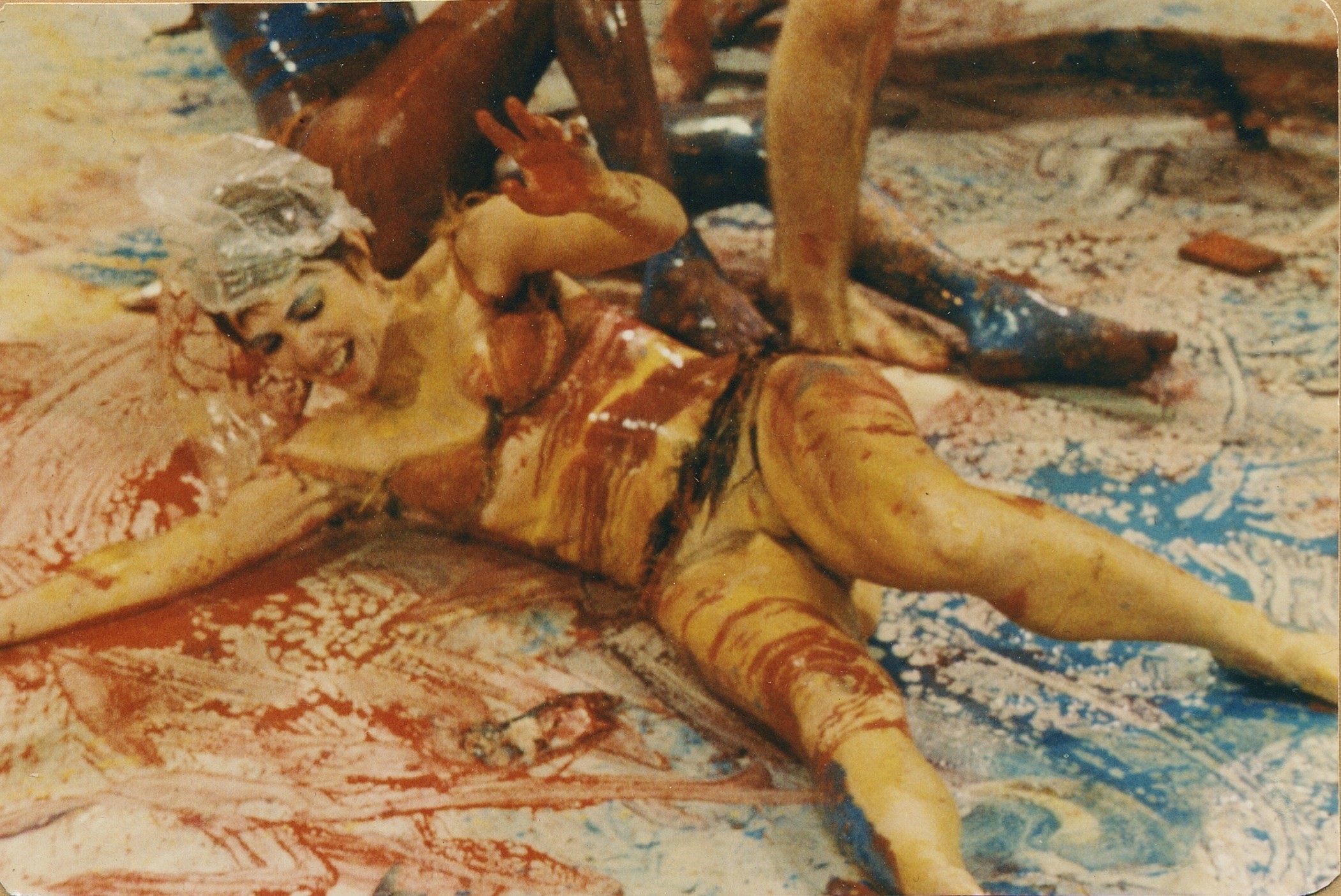
Carolee Schneemann – Meat Joy (1964, 6 min)
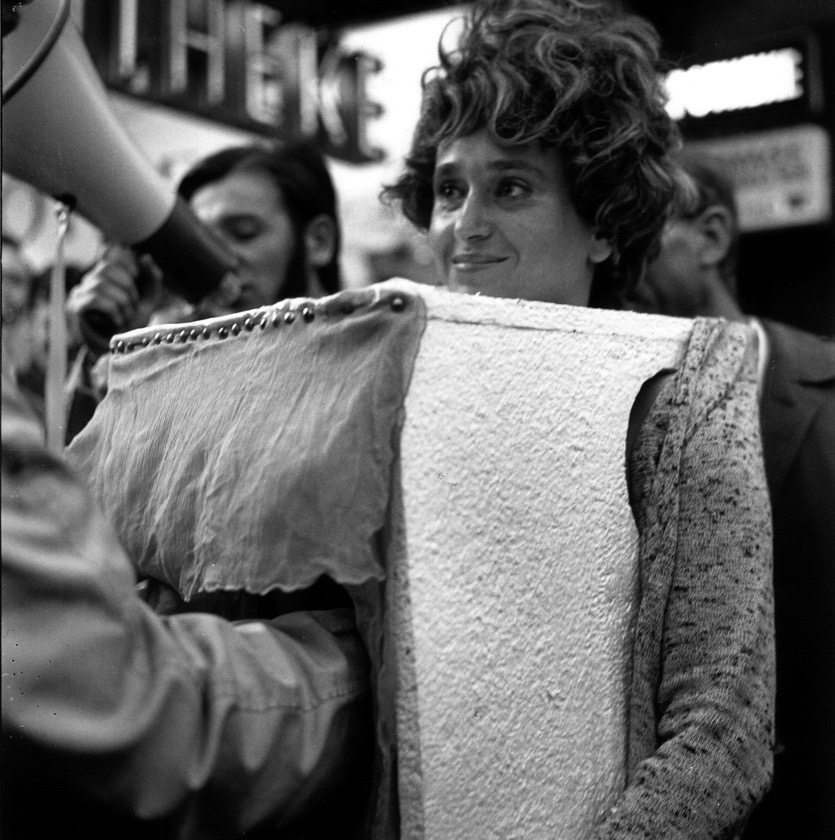
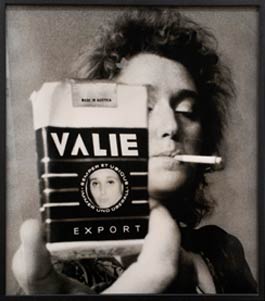
En 1967, l’artiste autrichienne Valie Export choisit pour nom Export, une marque de cigarettes, évoquant autant la dimension potentiellement marchande des productions artistiques que le stéréotype de la femme comme bien de consommation. « Je ne voulais porter ni le nom de mon père ni celui de mon mari ; je voulais chercher mon propre nom ». Par une série d’actions féministes d’une grande charge transgressive, l’artiste, issue de l’actionnisme viennois – dont elle aura par ailleurs critiqué un certain machisme – engage son corps dans la bataille. Défiant l’ordre des regards, elle bouleverse la mise en scène voyeuriste du corps féminin par l’invention d’un Cinéma de la palpation et du tâtonnement (Touch Cinema, 1968), performance de rue de « dévoilement » des rapports de force patriarcaux qui régissent la représentation des femmes. Avec …Remote…Remote… (1973), elle met en jeu les « stigmates de l’histoire mis à nu par des actions corporelles », marques d’un « esclavage passé », et atteint par là même un féminisme d’une rare puissance.
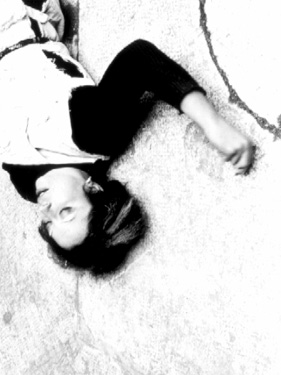
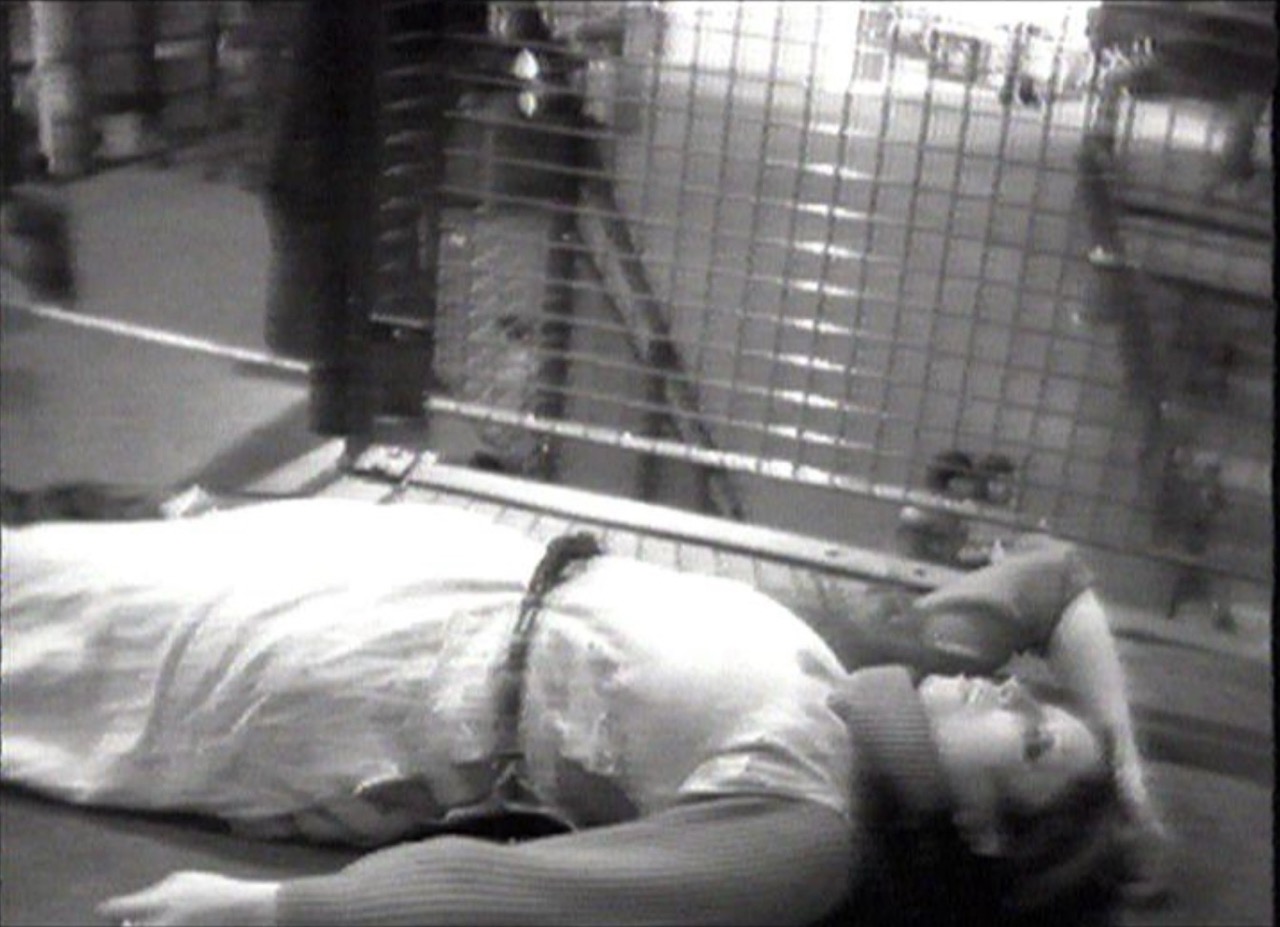 « Je n’ai jamais fait une œuvre (dessin, photo, sculpture, vidéo, performance) sans la penser comme un corps qui chercherait d’autres corps pour exister ». (ORLAN) On connaît essentiellement l’artiste française ORLAN pour sa pratique de l’ « Art charnel », de la chirurgie plastique et du corps modifié, travail sur la construction et l’artificialité de l’identité, la peau et les normes, on oublie souvent qu’elle a d’abord toujours interrogé le statut du corps et particulièrement du corps féminin dans l’histoire de l’art et dans la société. Dans une série de performance de MesuRAGES datant de 1978, ORLAN, évaluant la place que chaque lieu urbain et architectural laisse à l’individu, mesure son corps à l’institution (le Centre Pompidou) et inscrit métaphoriquement son corps de femme – qui lui fournit son unité de mesure, l’ORLAN-Corps- face au monde de l’art.
Films présentés:
Carolee Schneemann – Meat Joy (1964, 6 min), Fuses (1964-66, 18 min), Body Collage (1967, 3:30 min), Interior Scroll – The cave (en collaboration avec Maria Beatty, 1975-1995, 7:30 min)
ORLAN – MesuRAGES d’institution : le centre pompidou (1977, 13’)
Valie Export – Touch Cinema (1968, 2min), Remote…Remote (1973, 12 min)
Textes et programmation : Aliocha Imhoff & Kantuta Quiros