Le cinéma s’insurge
Vendredi 21 Mars 2008
Les années 68
Le lieu unique invite le peuple qui manque pour la Nuit 68
Rencontre-discussion à l’issue de la projection en présence de Jean-Michel Humeau, Lionel Soukaz, Aliocha Imhoff et Kantuta Quiros.
Programmation : Le peuple qui manque (Kantuta Quiros et Aliocha Imhoff)
La cour – 18h30 à 23h30
de Jean-Jacques Lebel (extrait)
« Les happenings de Jean-Jacques Lebel sont le point exact où le théâtre explose. » Jean Paul Sartre.
« Situations temporaires, fondées sur le désir », entre pulsion érotique et bouleversement de l’espace social, inconscient et imaginaire, les happenings de Jean-Jacques Lebel, plasticien et initiateur du happening en Europe, ont souvent été considérés comme des préfigurations des événements de mai 68. Icône du mouvement de mai, il en fut un des fers-de-lance, lors plus particulièrement, de la prise du théâtre de l’Odéon. (A.I & K.Q.)
« Le happening ne peut ni ne veut remplacer une grève, un acte sexuel ou une psychanalyse ; il n’est pas spectacle mais rêve collectif. Pour appréhender une telle expérience, il faut accomplir une expérience qui fasse sauter les portes de la perception. », écrivaient Jean Jacques Lebel, Carolee Schneemann, Jocelyn de Noblet, Daniel Pomereulle et Erro en 1964.
de Maurice Lemaître (1968, 28′)
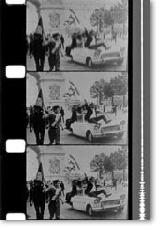 « Dans Le Soulèvement de la jeunesse, il y a une promenade dans Paris, reprise d’Un soir au cinéma, mais beaucoup plus intériorisée, c’était un type qui réfléchissait au thème de l’évolution sociale, de la révolution… Et puis aussi j’ai réussi à pirater les Actualités de 1968 et j’ai mêlé tout ça… Il y avait à la fois Paris, une nouvelle théorie d’économie politique en marche, un reportage sur cette théorie et une invention esthétique. » – Paris vu par le cinéma d’avant-garde (1923-1983), Paris Expérimental, 1985
« Les idées du Soulèvement de la jeunesse, que les Lettristes furent les premiers, dès 1949, à exposer et à défendre, idées qui trouvèrent leur illustration partielle dans les événements de Mai 68, et dont l’actualité n’a pas faibli… se retrouvent dans le son du film, sous la forme d’un texte d’Isidore Isou qui les résume et qu’un monologue intérieur de Maurice Lemaître entrecoupe par instants, tel un Fabrice vibrant à la bataille de Waterloo. Sous cet angle, le film demeure un tract vivant, qui allie … “esthétique et politique” » Œuvres de cinéma (1951-2007)
de Jean-Michel Humeau (1965, 39min) / En sa présence
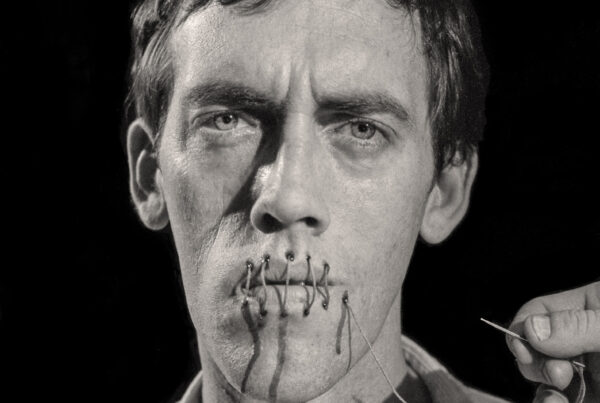
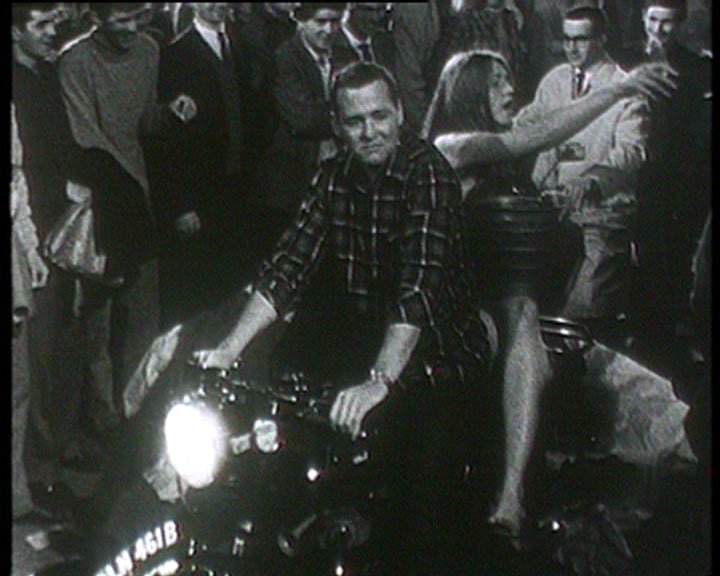 « Du happening à la pantomime, toutes les formes d’un art total ont été successivement essayées. (…) nous avons pensé que ces documents restaient une preuve de notre génération d’en finir avec les tabous, les faux semblants, le caca de notre société. Le témoignage d’un poète Allen Ginsberg nous a paru nécessaire pour éclairer de l’intérieur cette démarche proche de celle d’Artaud ou de Michaux et qui, à travers ce gâchis, cet éclatement des structures morales vise un art total pour un renouveau de l’homme. » (extrait)
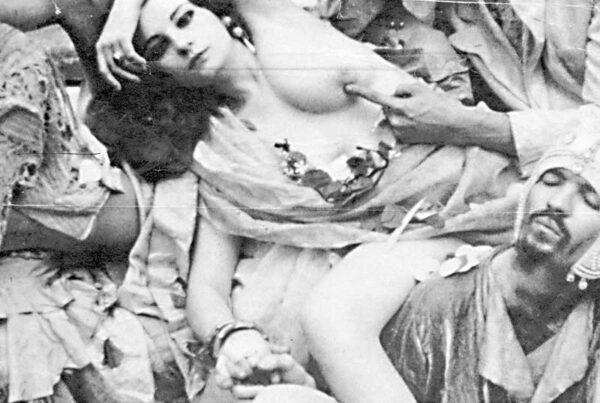
Magnifiquement filmé par Jean-Michel Humeau, « Hé ! Viva Dada » est un compte-rendu du deuxième Festival de la libre expression, « laboratoire des sensations », organisé par Jean-Jacques Lebel au Centre américain des Artistes, boulevard Raspail, en mai 1965.
Happenings et pièces signés Fernando Arrabal, Roland Topor, Alejandro Jodorowsky, Jean Jacques Lebel, Jocelyn de Noblet, Ben, Charlotte Moorman (distribution : le peuple qui manque)
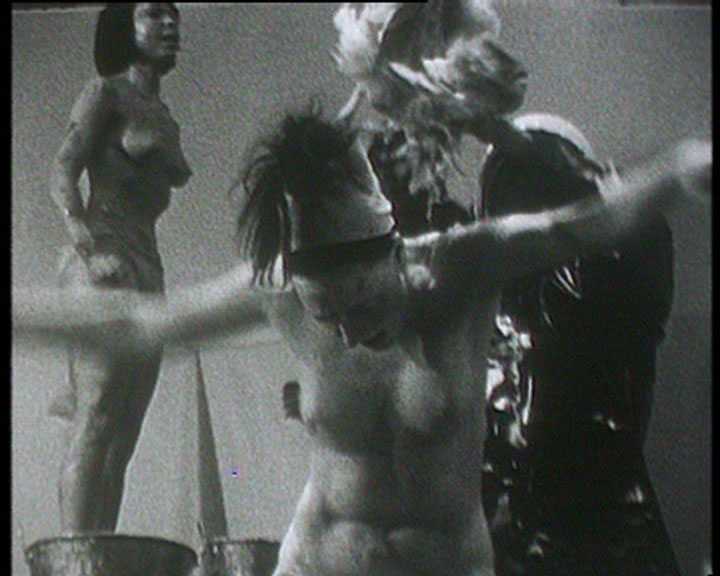
S.C.U.M. Manifesto
de Carole Roussopoulos et Delphine Seyrig (1976, 27min)
 « SCUM continuera à détruire, piller, saboter et tuer jusqu’à ce que le système basé sur l’argent et le travail se soit effondré et que l’automation soit instituée à tous les niveaux, ou jusqu’à ce qu’un nombre suffisant de femmes alliées à SCUM permette d’atteindre ces buts sans recourir à la violence ».
Lecture mise en scène du livre de Valerie Solanas, S.C.U.M. Manifesto est un réquisitoire contre la société dominée par l’image « mâle » et l’action « virile », présentés comme des substituts à la profonde impuissance des hommes. S.C.U.M. signifie “Society for cutting up men”.
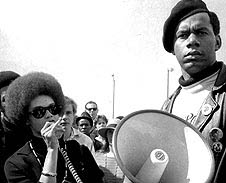
de Newsreel (1968, 15min)
« A la fois appel à l’action et portrait d’une période d’urgence dans l’activisme, ce véritable manifeste des Black Panthers était à son époque un outil de recrutement autant qu’une critique perçante de la situation socio-économique des noirs américains. » Olivier Pierre (Festival Est-ce ainsi que les hommes vivent
)
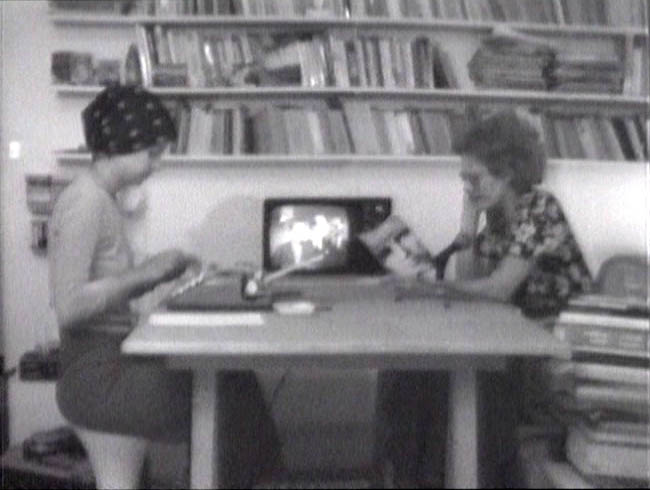
SORCIERES-CAMARADES
de Danielle Jaeggi (1971, 10 mn)
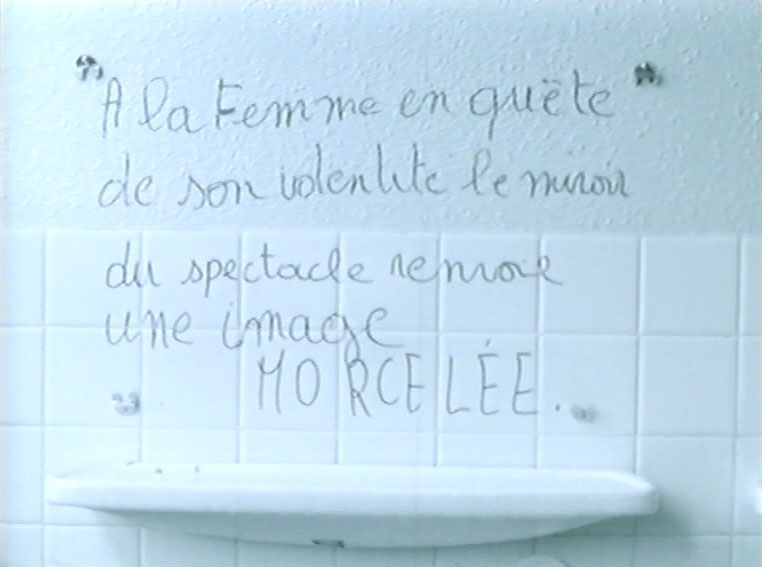 Sorcières-camararades peut-être vu comme le film-manifeste d’un contre-cinéma féministe. « Un film sur les femmes / Un film par des femmes / Un film pour les femmes / Avec une caméra d’homme. Un jour des femmes verront ces images de notre triste survie et se demanderont comment nous avons pu la supporter. » (extrait)
(distribution : le peuple qui manque)
de Roger Danel (1973, 14’)
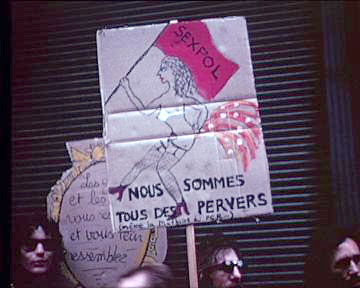 « Serti par la mélancolie et la verve corrosive du texte de Gérard Jeanpierre, vibrante figure militante de l’antipsychiatrie durant les années 70, Le vent souffle où il veut, comme son beau titre nous le révèle, est empli des bouffées de poésie révolutionnaire de l’après 68 et de la 1ère marche de fierté homosexuelle en mai 1971, année de l’apparition du FHAR (Front Homosexuel d’Action Révolutionnaire). Farandoles lumineuses et insolence des slogans, libération sexuelle et insurrection des désirs, le très beau et trop méconnu film de Roger Danel, est aussi une charge contre les systèmes répressifs. » (distribution : le peuple qui manque)
de Johanna Demetrakas (1974, 47 min)
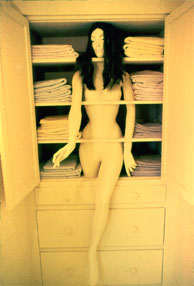 « En 1972, fût créée une exposition dont on a beaucoup parlé : « Womanhouse ». Sous la direction de Miriam Shapiro et de Judy Chicago qui devinrent des figures majeures de l’art féministe dans les années 70 et 80 (…), vingt-quatre femmes (dont Faith Wilding) aménagèrent une maison à Los Angeles. L’espace domestique devenant espace d’exposition, la distinction entre public et privé disparaissait et les conventions régissant la représentation volaient en éclats ; la salle de bain et la maison de poupée devenaient des espaces d’exposition « appropriés » à l’art féministe. « Womanhouse » encensait ce qui était considéré comme trivial : les produits de beauté, les tampons hygiéniques, le linge de maison, les bonnets de douche et les sous-vêtements devenaient des matériaux hautement artistiques. Tous les médias s’y intéressèrent, en réalisant souvent des reportages à sensation ; l’exposition apportait la preuve que l’art féministe avait un public nombreux et passionné » Peggy Phelan
Womanhouse est un documentaire historique prodigieux sur l’un des événements culturels féministes les plus importants des années 70 aux Etats-Unis. Il ne se limite pas à être le témoin de plusieurs performances fameuses telles Waiting (Attente) de Faith Wilding ou Cock and cunt play (La pièce de la bite et de la chatte) de Judy Chicago, ainsi que des différentes pièces de l’exposition-maison Nurturant Kitchen (Cuisine nourricière), Menstruation Bathroom (La salle de bains des règles), Nightmare Bathroom (La salle de bains des cauchemars) ou encore de l’installation Linen Closet (Placard à linge), mais retrace également les ateliers de prises de conscience collectives, les interactions avec le public, et toute l’énergie de cette époque. (distribution : le peuple qui manque)
MIKONO
de Jean-Michel Humeau (1978, 11min) / En sa présence
« Portrait imaginaire d’un CRS, le brigadier Mikono. Les images des affrontements du quartier Latin en mai 1968 et le commentaire qui tourne en dérision les forces de l’ordre font de ce film une réussite de subversion et d’ironie. » (distribution : le peuple qui manque)
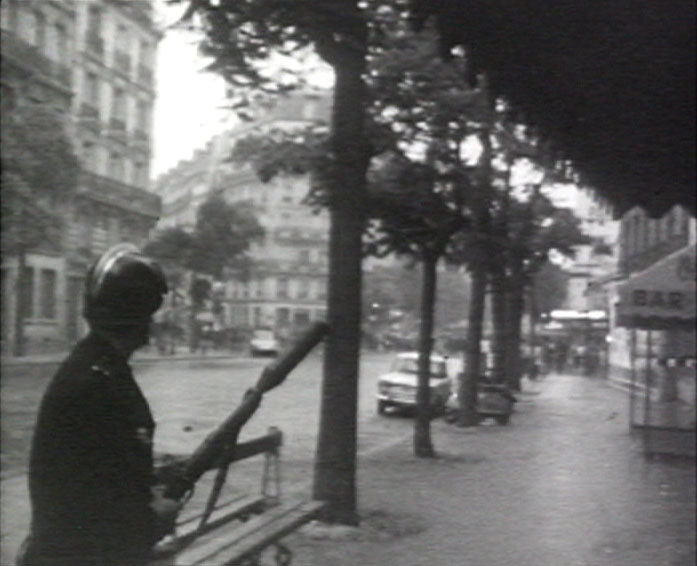
de Roger Danel (1968, 15min)
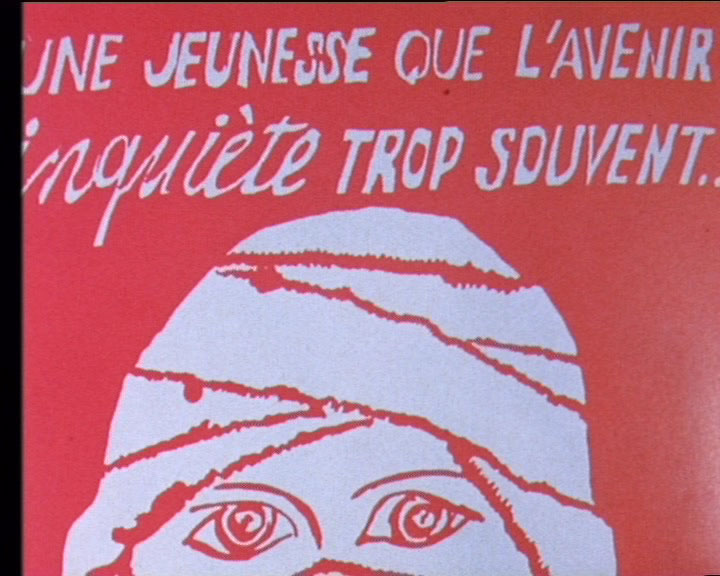 « Vie quotidienne. Machine. Machine à habiter. Machine à transporter. Machine à consommer. Machine à crever. Consommation du spectacle. Spectacle de la consommation. Obsession. » (Gérard Jeanpierre, extrait) « L’idée de ce film, conçu dès mars 1967, anticipait largement les évènements de mai-juin 1968, puisqu’il avait pour sujet la révolte de la jeunesse, notamment étudiante. On peut dire qu’il a été servi à point par les évènements, ou plutôt que ceux-ci ont permis au film de voir le jour, avec des manifestants qui n’étaient pas des figurants…
En 1967, le narrateur (Gérard Jeanpierre) militait dans un groupe « Recherche libertaire », auquel participait d’ailleurs Daniel Cohn-Bendit et qui éditait un petit journal du même nom. Bien entendu, l’explosion de la révolte étudiante n’a pas été sans incidence sur le contenu même du film, qu’elle a contribué à nourrir et à orienter. L’auteur s’est trouvé lui-même au cœur de l’action, tout en restant un témoin pacifique filmant les événements.(…)
Au-delà de l’événementiel, on note que la réflexion du narrateur s’élève remarquablement au-dessus de l’actualité et analyse en termes d’inconscient collectif la « névrose de béton » qui commençait alors à s’emparer de nos villes. Saluons cette vision prémonitoire dont on n’a pas fini, hélas, d’observer la justesse. » Roger Danel / (distribution : le peuple qui manque)
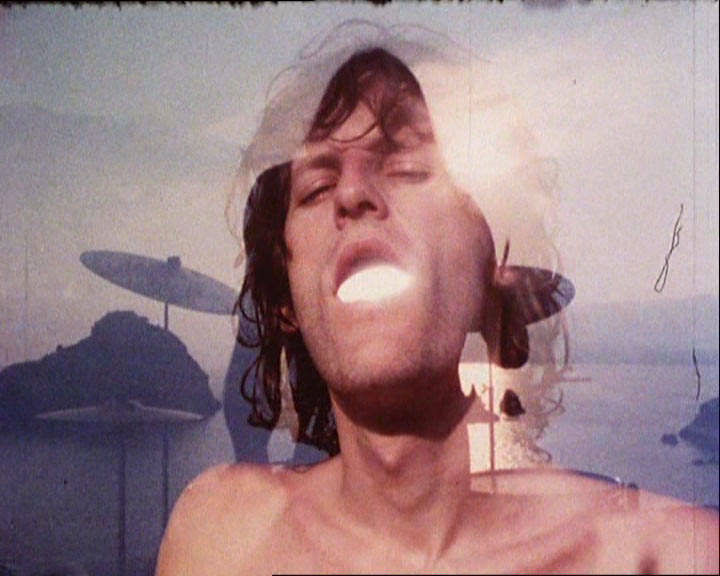
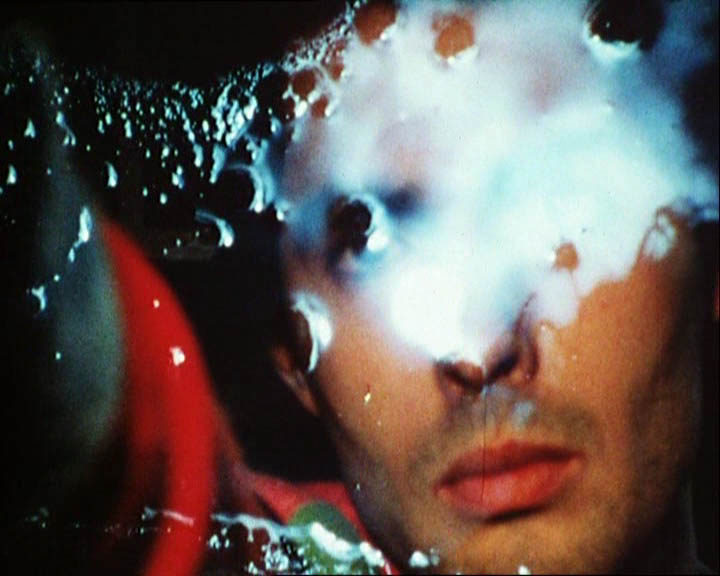
de Pierre Clémenti (1979, 66min)
« Éphémère et flamboyant, directement lié à la révolution psychédélique et à la génération hippie, le cinéma underground français (ou comme on aimait dire à l’époque, cinéma souterrain), a surgi dans l’effervescence contre-culturelle qui annonçait et préparait les chamboulements de Mai 68. Cinoche de protestation, de contestation, de provocation, de refus. Agit-prop et poésie brute. » Jean Pierre Bouyxou
« Les films de Pierre Clémenti convertissent l’énergie politique de la révolution en substrats cinématographiques. A une poétique révolutionnaire Clémenti associe une politique des formes et du montage. Le contenu libertaire épouse ici une apologie de la liberté. » Jean Marie Samocki
«Chronique de cette fin de siècle… Témoignage de ma vie, forme de journal sur mes activités d’acteur avant et après 1973. Balbutiements, fulgurances, illuminations, intimité révélée qui entrouvre la fente radieuse de la conscience, long serpent multicolore, ruban se frayant un passage à l’appel des signes » Pierre Clémenti
LES DIABLES DE BRION
de Françoise Janicot (1974, 20’)
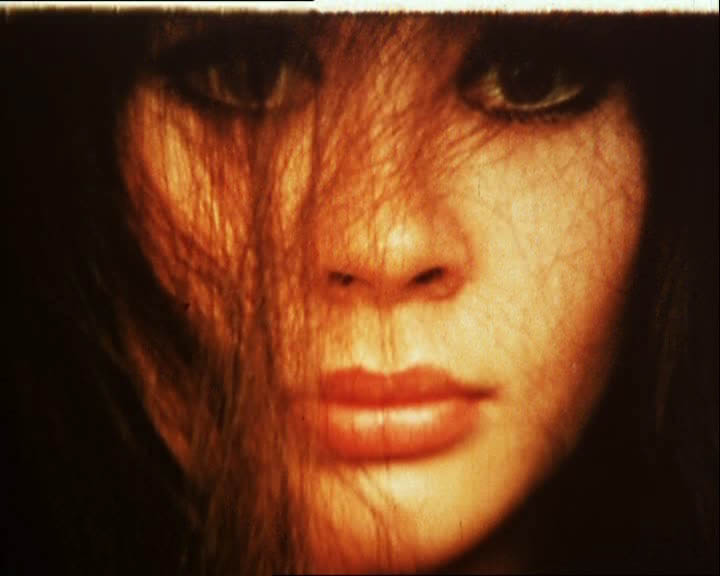
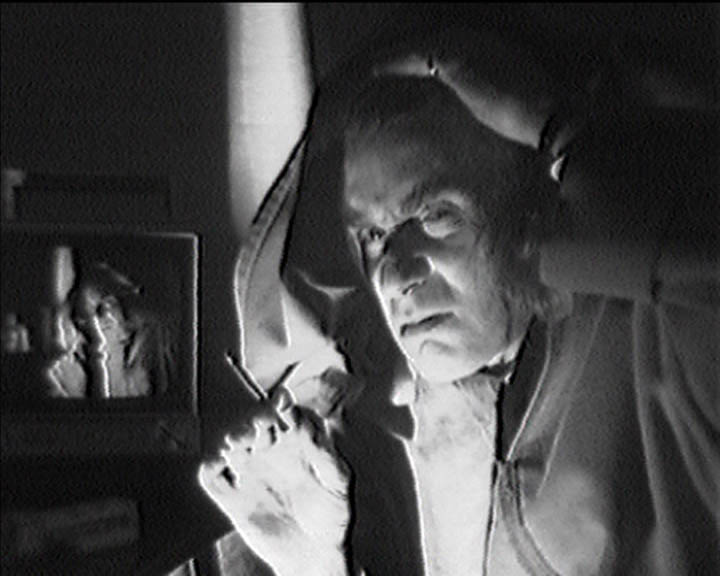 Issue d’une Lettre à Brion Gysin, cette bande vidéo est dédiée aux incantations magiques du peintre et écrivain de la Beat Generation, Brion Gysin, inventeur avec William Burroughs du cut-up littéraire. Alors qu’en 1974, Brion Gysin se fait opérer d’un cancer à Londres, Françoise Janicot, Bernard Heidsieck, et des amis poètes et musiciens décident de lui envoyer cette lettre « sonore ». « Réalisée sur le fameux revox A 700 d’Heidsieck, elle prononce, à plusieurs voix, s’interférant, se répondant, les nom et prénom de Gysin. Envoi au sens premier, hommage, spéciale dédicace, que dire d’autre que le nom de son destinataire, dégorgé, catapulté en un seul souffle d’énergies multiples. Pièce polyphonique, cette lettre est une partition vitale pulsée par l’amitié. Brion Gysin sut l’entendre, il eut une rémission de dix années ».
Le ressassement stroboscopique des mots, leur psalmodie infinie et la présence fantomatique du poète font de cette bande un classique de la psychédélie. (distribution : le peuple qui manque)
IXE
de Lionel Soukaz (1980, 48min) / En sa présence
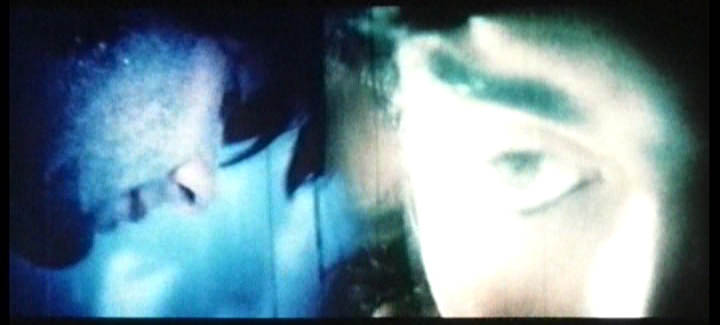
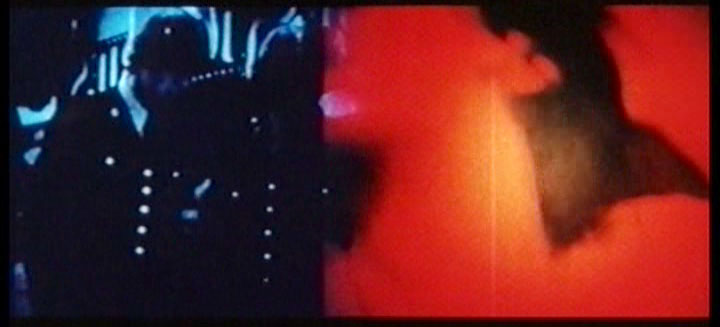
Ixe, un film dédié à la loi du même nom. « Ixe, comme un cri, une blessure, est un film implosé, crucifié, conçu pour être projeté sur deux écrans simultanément. C’est un écartèlement aux quatre coins cardinaux, aux quatre extrémités : la guerre, le sexe, la religion et la drogue. ». Guy Hocquenghem.
« Lionel Soukaz est un auteur rare. Il filme sans tabou, sans concession. Enfant de mai 68, il est celui de la libération sexuelle, du plaisir de vivre avec excès ses désirs, la drogue, le sexe. Témoin sensible de son temps, celui qui filme ses amis, Guy Hocquenghem, Copi et les autres moins célèbres, filme aussi la tragédie du sida, des réunions d’Act Up aux murs blancs de l’hôpital. Pour parler de son style, son ton, son ami, le philosophe René Schérer, évoque « une vitalité désespérée », Nicole Brenez, combattante du cinéma expérimental, qualifie son cinéma « d’éros politique ». » Aude Lavigne, France culture, 2002
Le cinéma ne s’encadre pas, ne se muséifie pas,
il est toujours vivant, il garde tout, il ne perd rien.