WE, THE CHILDREN

OF THE 21ST CENTURY

21/11/2026 – 03/13/2027

We, the children of the 21st century

Radical Childhood / Intergenerational Climate Justice / Eco-Education

Our actions today shape the biosphere for future generations, just as we are now experiencing the consequences of past generations’ climate-related choices. Climate inertia—estimated at around 40 years—is the time lag between the causes of climate change and its observed consequences. Forty years is the span of a generation.
“We, Children of the 21st Century”—a title borrowed from a newspaper article by writer Pierre Ducrozet—seeks to initiate, in the form of an evolving exhibition as well as a collective workspace, a series of chronopolitical actions and reflections aimed at intergenerational climate justice, emerging forms of eco-education, and the political self-determination of children.

From the voice of young Greta Thunberg, on a school strike in front of the Swedish Parliament holding a sign reading “Strike for the Climate”—soon joined by tens of thousands of elementary, middle, and high school students as well as college students—to Xiuhtezcatl Martinez, an eco-activist since the age of six who sued the U.S. government for failing to protect future generations—a new voice has emerged in recent years: that of the 21st-century child environmentalists.
In what seems to come from a different angle, the issue of the domination of children and their mistreatment is receiving renewed attention in public debate. Some view children as a social class in their own right. “Infantilism” is a concept theorized by the American philosopher Elisabeth Young Bruel, which refers to systemic discrimination against children, while the philosopher Tal Pieterbraut Merx, in a recent and seminal book, *The Forgotten Domination*, called for a broader politicization of adult-child relationships.
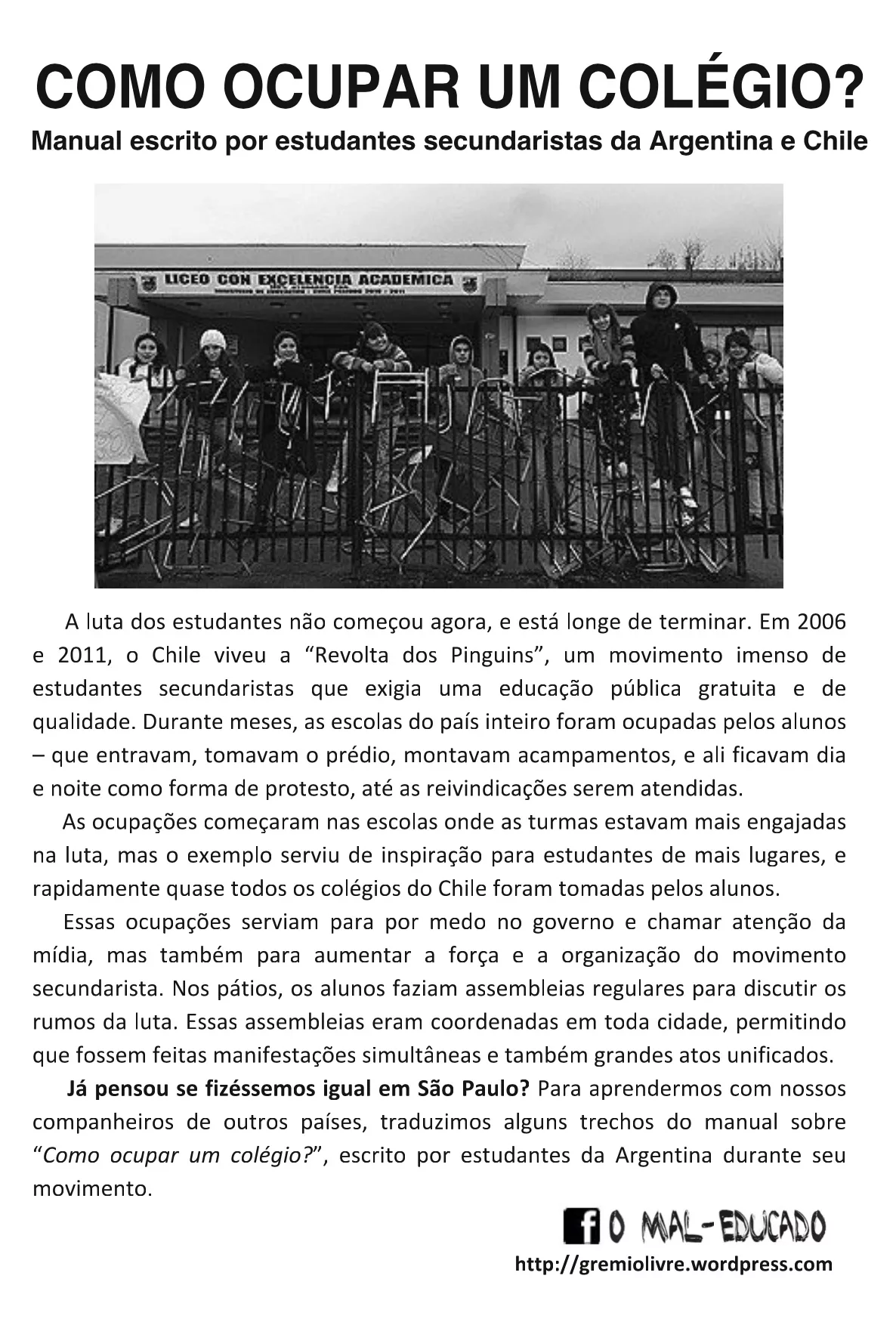
What if these two strands actually constituted the same political moment—on the one hand, the struggles waged by non-adults that have been cyclically overlooked—protests, strikes, and occupations by young people and non-adults—and, on the other, the youth climate movements, which ultimately prove not to be an exception in recent history but rather one of the possible high points of a history that is periodically erased?

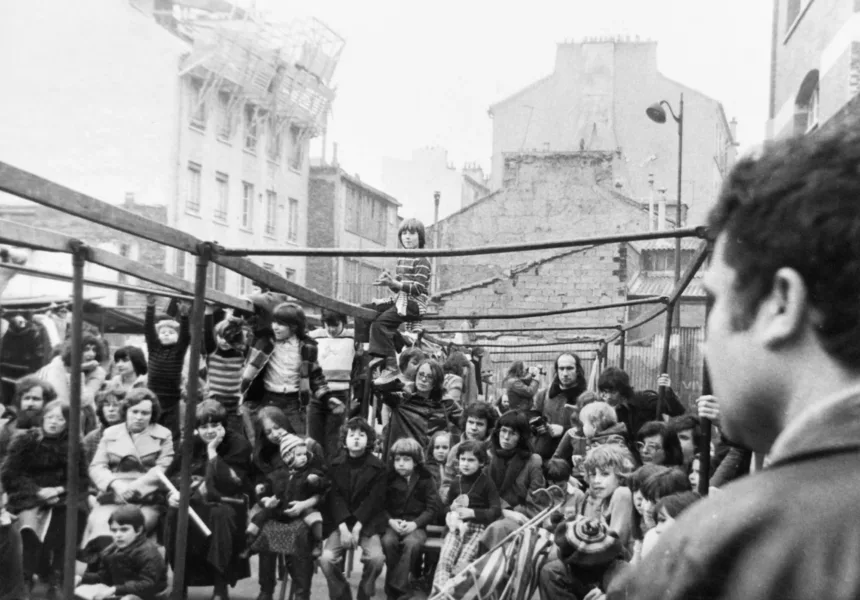
Alternative pedagogies have, from their very origins, challenged the disciplinarization of children’s education. From “Children’s Republics”—communities largely inspired by progressive education and self-management, in which children elected governments and courts—to experimental pedagogies that sought to envision decision-making institutions run by children, this is how another history could be written: a history in the making that would restore to children their power to act.

Should we expand the right to vote to include minors so that they, too, have a say in decisions that affect their generation and those to come, as many authors and advocacy groups are calling for? How can we preserve the archives of these struggles? If these archives are missing, could we invent or imagine the lost archives of these movements? Do practices such as outdoor schools, forest schools, and “wasteland pedagogies” help shape the contours of an eco-pedagogy yet to come?

If ecocidal destruction is a sign of time being stolen from present and future generations, this exhibition—which brings together artists’ practices, archives, discussions, lectures, and workshops—seeks to sketch out a lexicon for a different politics of time and generations.
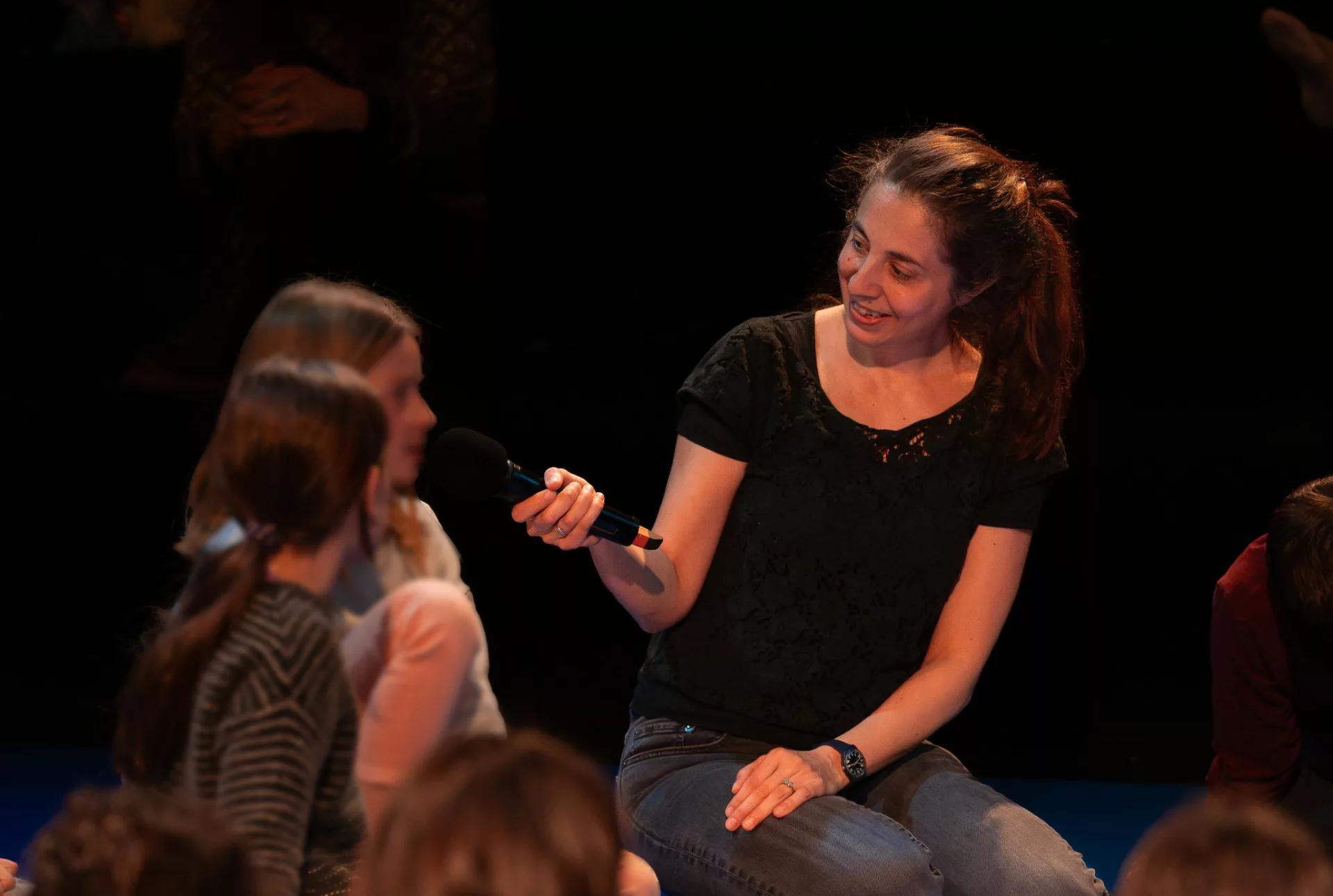
Aliocha Imhoff & Kantuta Quirós, curators and teacher-researchers

List of Artists and Archives

Set Design

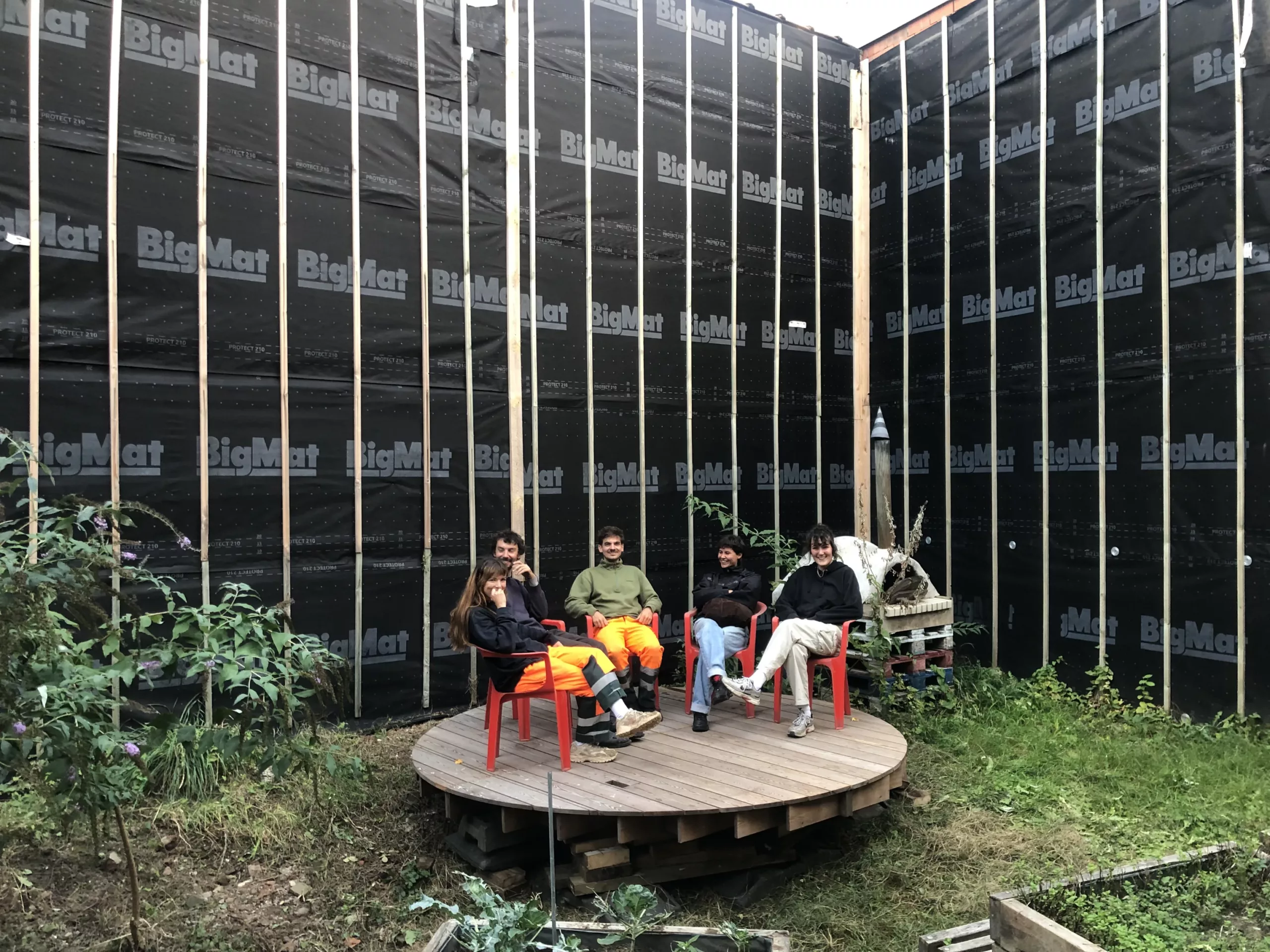
dallas is a collective founded in 2018. It currently consists of three active members: Lise Tomasevic, Salomon Tyler, and Simon Lemutricy, and is based in Molenbeek, in the Brussels-Capital Region. dallas works on a variety of projects, including architecture, art installations, set design, urban installations, and objects. In an era of overspecialization, dallas aims for a more generalist approach, bridging the gap between design and construction, art and craftsmanship. It is a space for experimentation, a back-and-forth between knowledge and practice, between the imaginary and the concrete. Materials are viewed both as resources and as sources of inspiration. Sourced locally, reused, repurposed, and assembled, they form the foundation of every project.
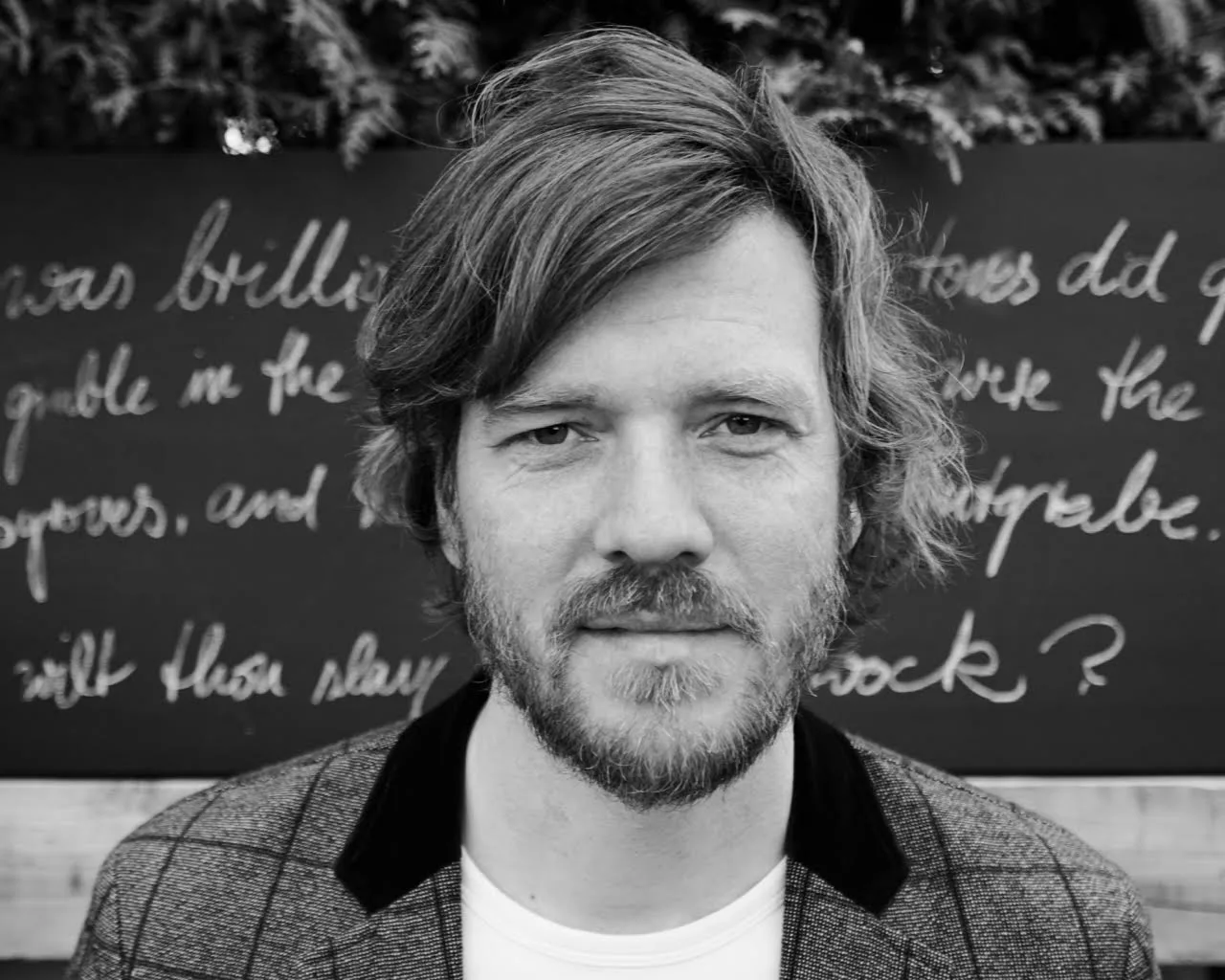
For the exhibition, Dallas is designing an evolving and interactive exhibition space—the exhibition as a playground for non-adults: cardboard and ephemeral structures, signs, slogans, and drawings.
And starting at the opening on November 21, 2026—from 4:00 p.m. to 6:00 p.m.—Dallas will lead a workshop to activate and collaboratively build the exhibition design.

Artists

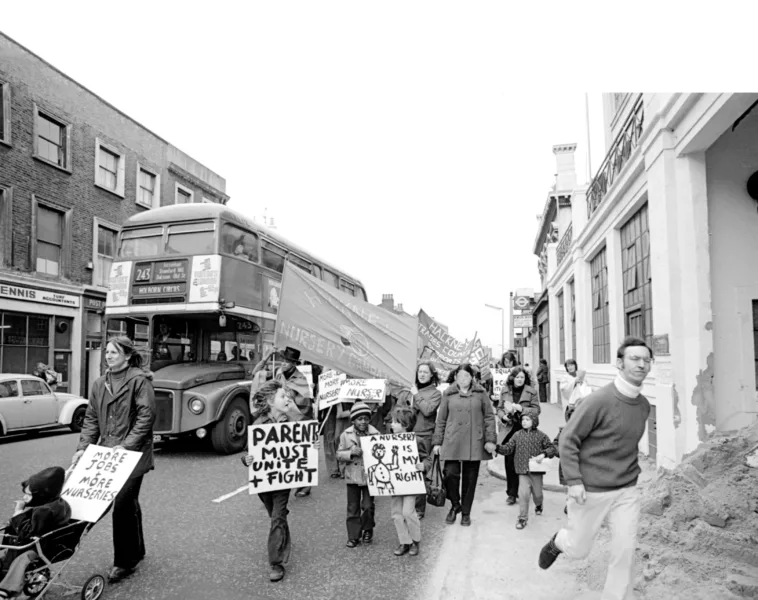
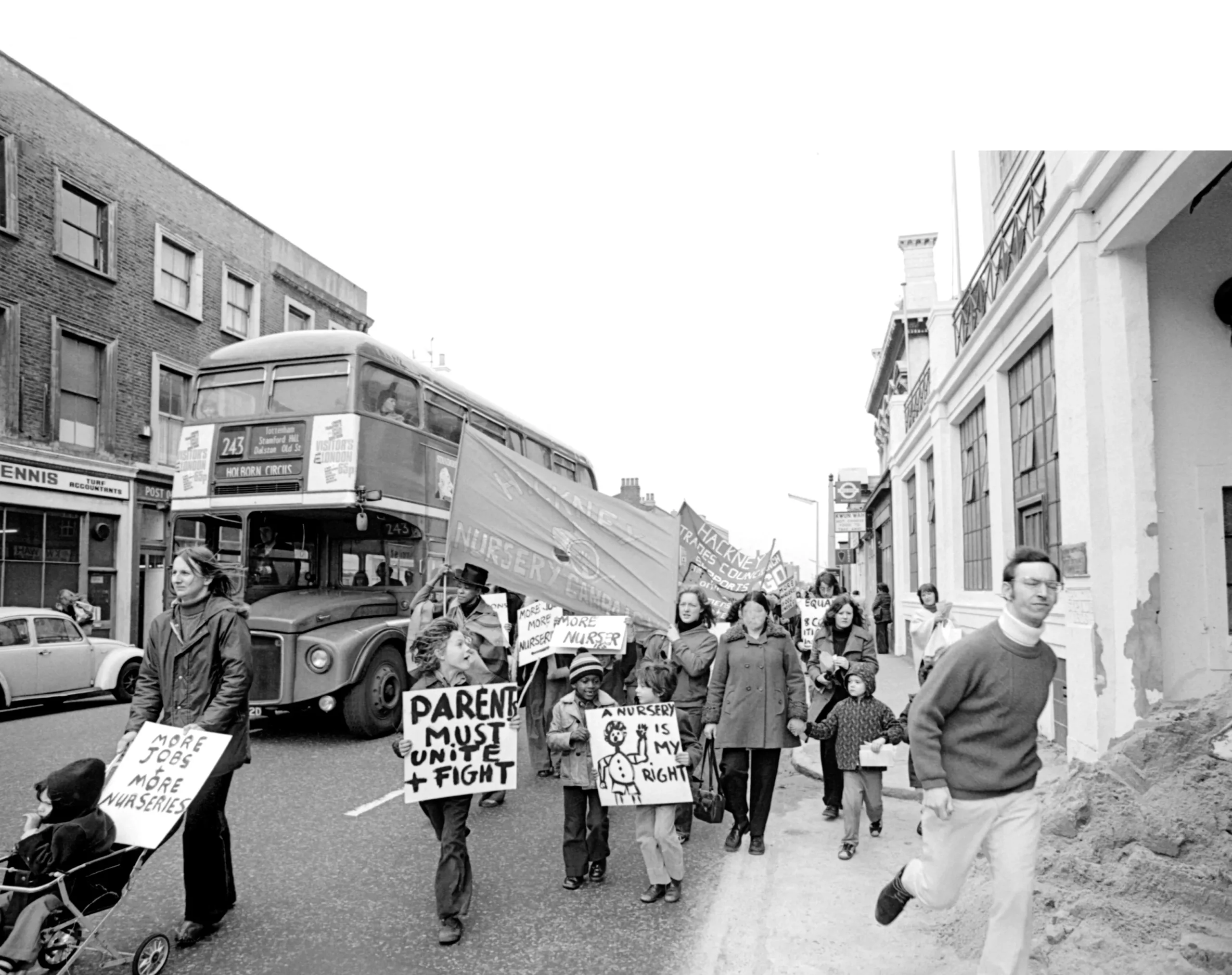
The Hackney Flashers collective was set up in 1974. The women in the group described themselves as broadly socialist-feminist and most of them engaged in the creative media as photographers, cartoonist and writers. Between 1974 and 1980 the Hackney Flashers produced two exhibitions of photographs and cartoon focussing on two key areas of women’s lives, paid work and the lack of affordable childcare for working mothers. The Flashers considered the work was agitprop, differentiating it from gallery work or photojournalism. It was designed to be accessible and suitable for use in venues like community centres, conferences and public libraries. Hackney Flasher productions were always credited as the work of a collective. Individuals were not named, specific images or writing were not credited.

(c) Michael Ann Mullen


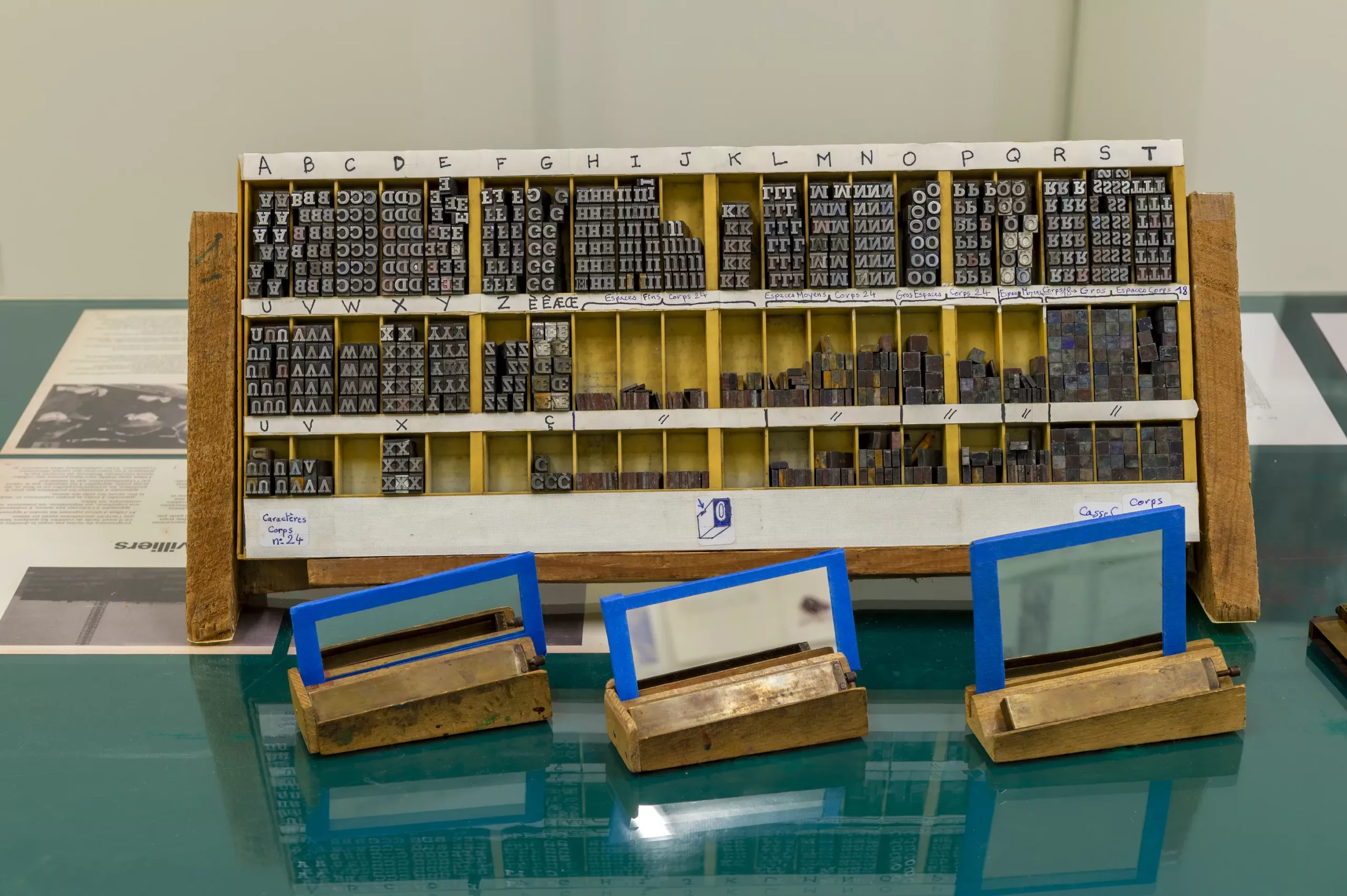
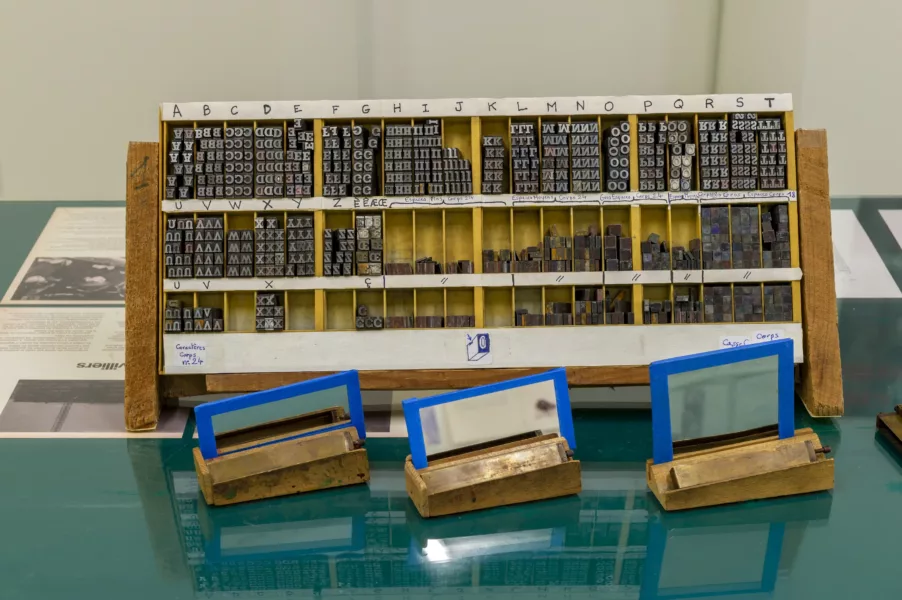
La Maison Imprimerie is a space for reading, exhibitions, and hands-on activities. Using educational printing tools, anyone who wishes to do so is invited to create texts, drawings, or engravings that can be printed and reproduced. The printing techniques available include two Freinet presses with their type cases, linocut materials, and an alcohol duplicator. The history of printing in schools dates back to the 19th century. This technique, present in schools that practiced libertarian pedagogy in particular, was subsequently systematized by Célestin Freinet in the early 20th century through the practice of the school newspaper.

Marie Preston is an artist and associate professor at Paris 8 Vincennes-Saint-Denis University (TEAMeD Laboratory / AIAC). At the intersection of art, research, and pedagogy, her work in recent years has focused on baking practices, ecofeminism and subsistence, open schools, popular education, and libertarian and institutional pedagogies, as well as careers in caregiving and early childhood education. She had a solo exhibition, Du pain sur la planche, at the La Ferme du Buisson art center (2019) and notably participated in the exhibitions École Idéale. Magasins généraux at the Pavillon de l’Arsenal (2025), Cum Panis, 19 at the CRAC in Montbéliard (2024), and *L’art d’apprendre. Une école des créateurs* at the Centre Pompidou Metz (2022). In 2019, she co-edited the book Co-Création (Éditions Empire and CAC Brétigny—out of print) with Céline Poulin and in collaboration with Stéphanie Airaud; in 2021, she published Inventer l’école, Thinking About Co-Creation (Tombolo Presses and CAC Brétigny) in 2021, and in 2026, The Other Pedagogical Turning Point: Forging Alliances (Grande Collection, ArTeC) with Céline Poulin and Katia Schneller. Finally, she is currently working with the Microsillons collective on the anthology Socially Engaged Art: A Collection of Essays (Presses universitaires de Rennes).

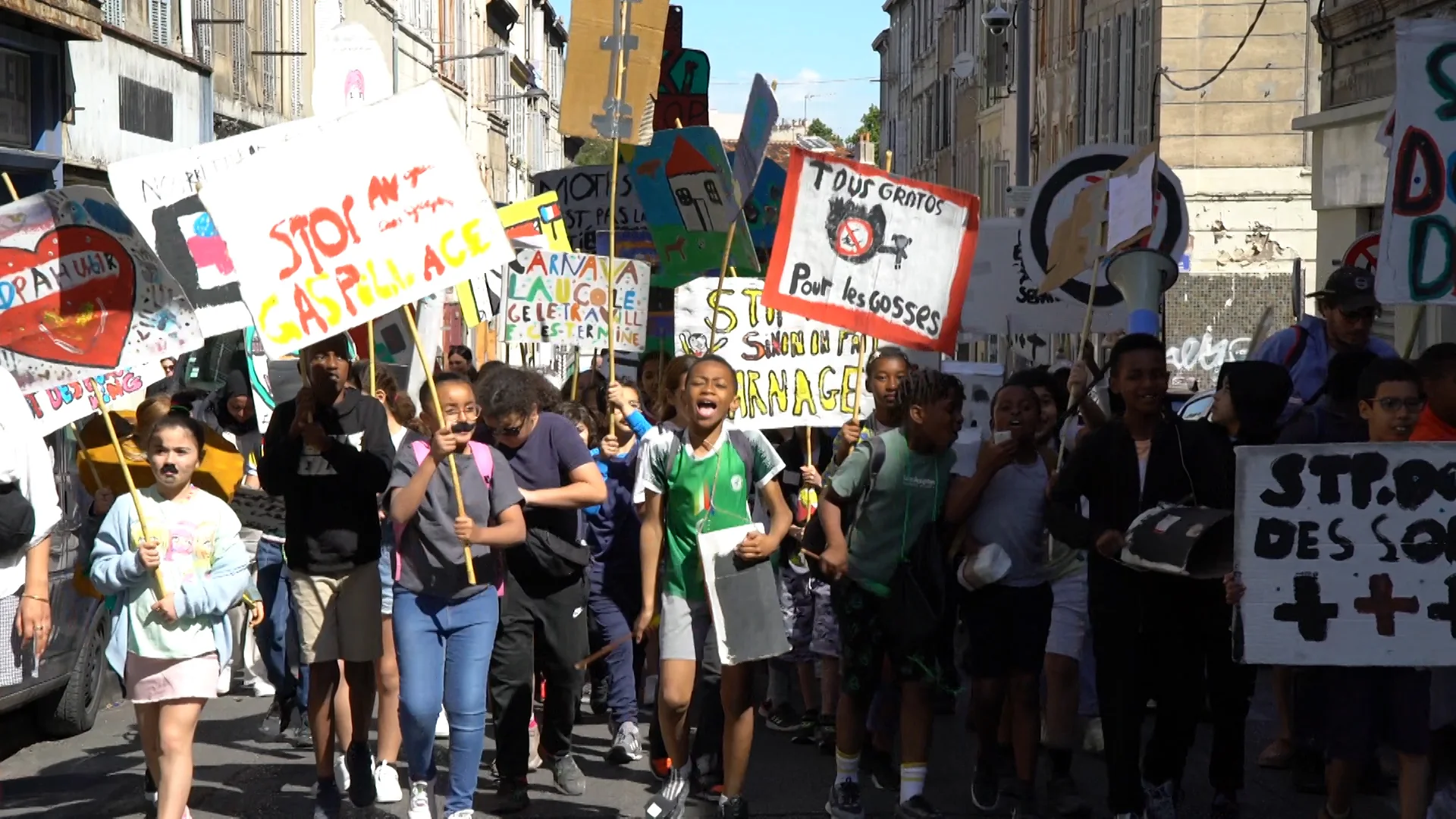
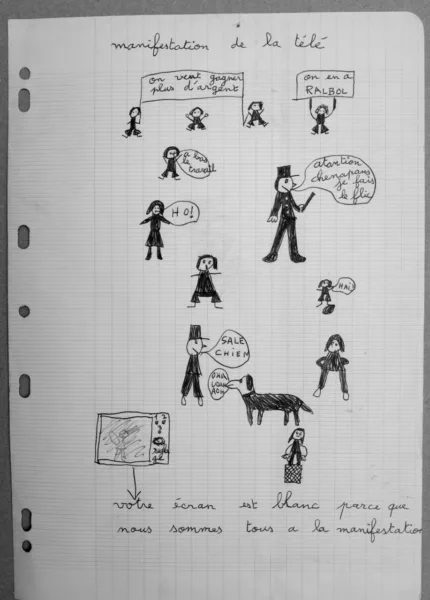
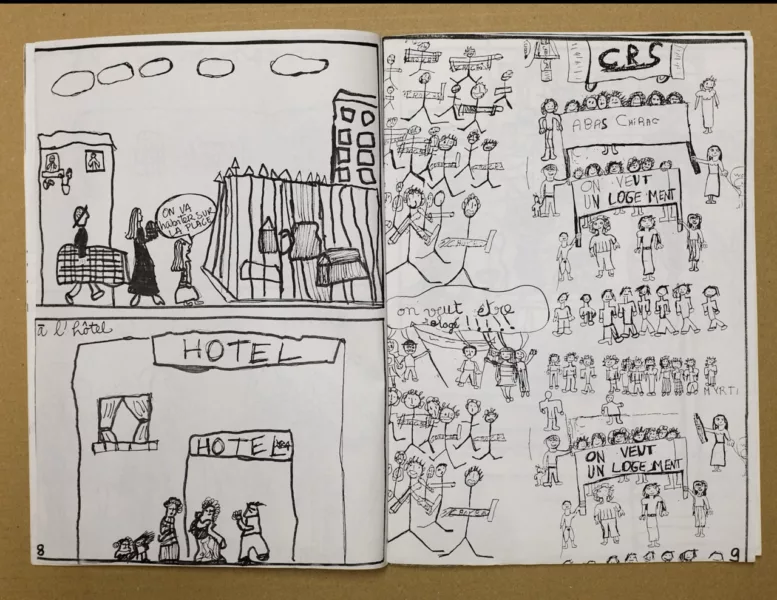
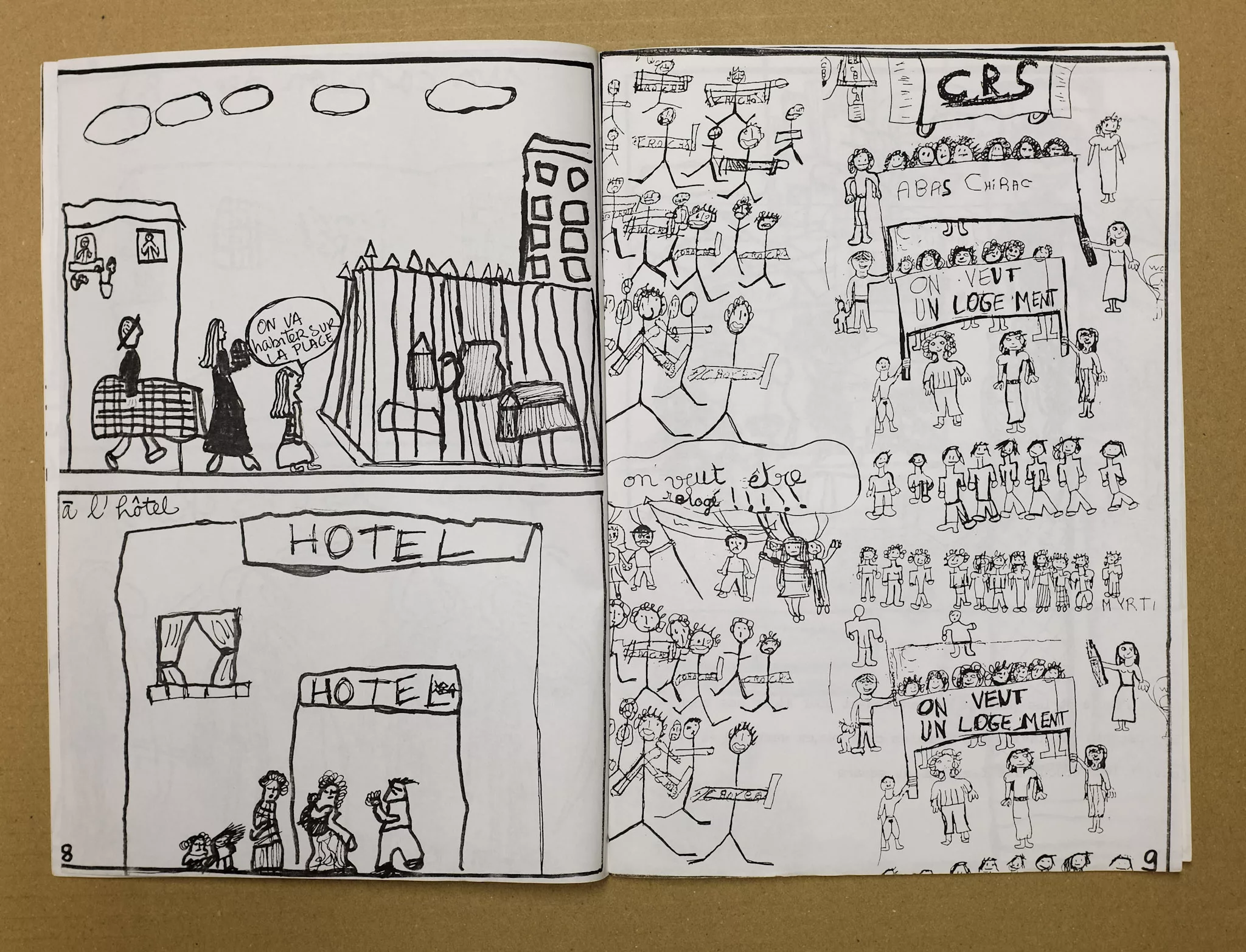
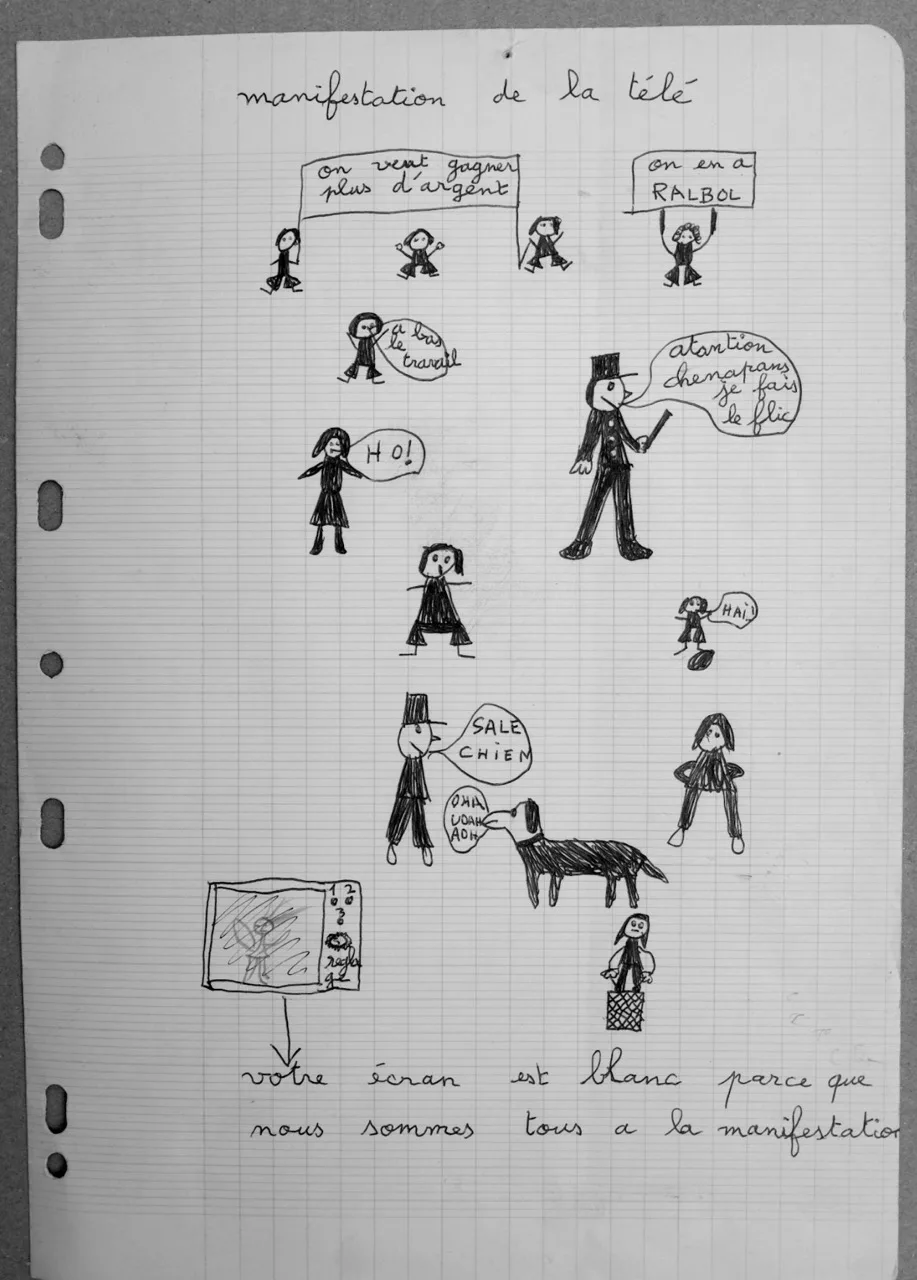
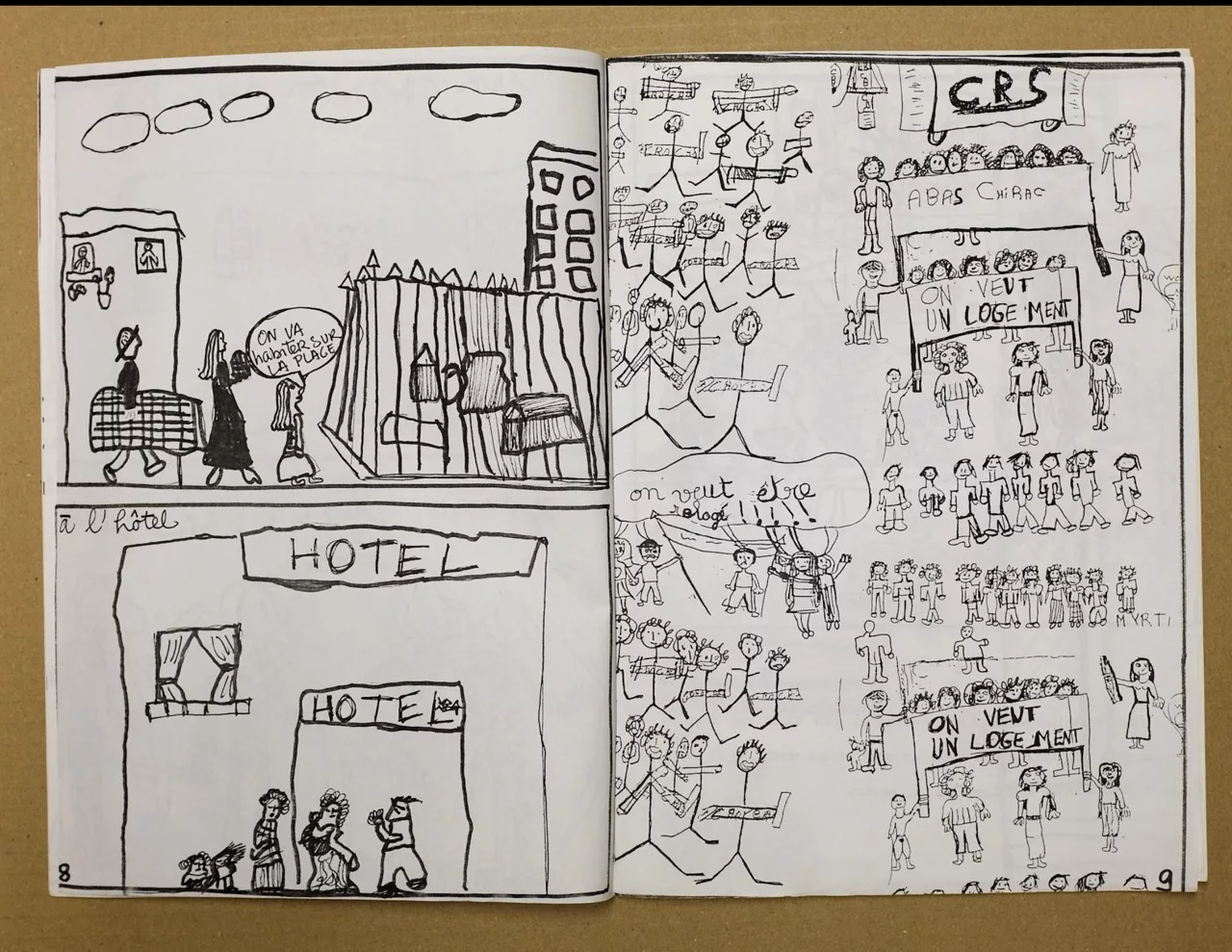
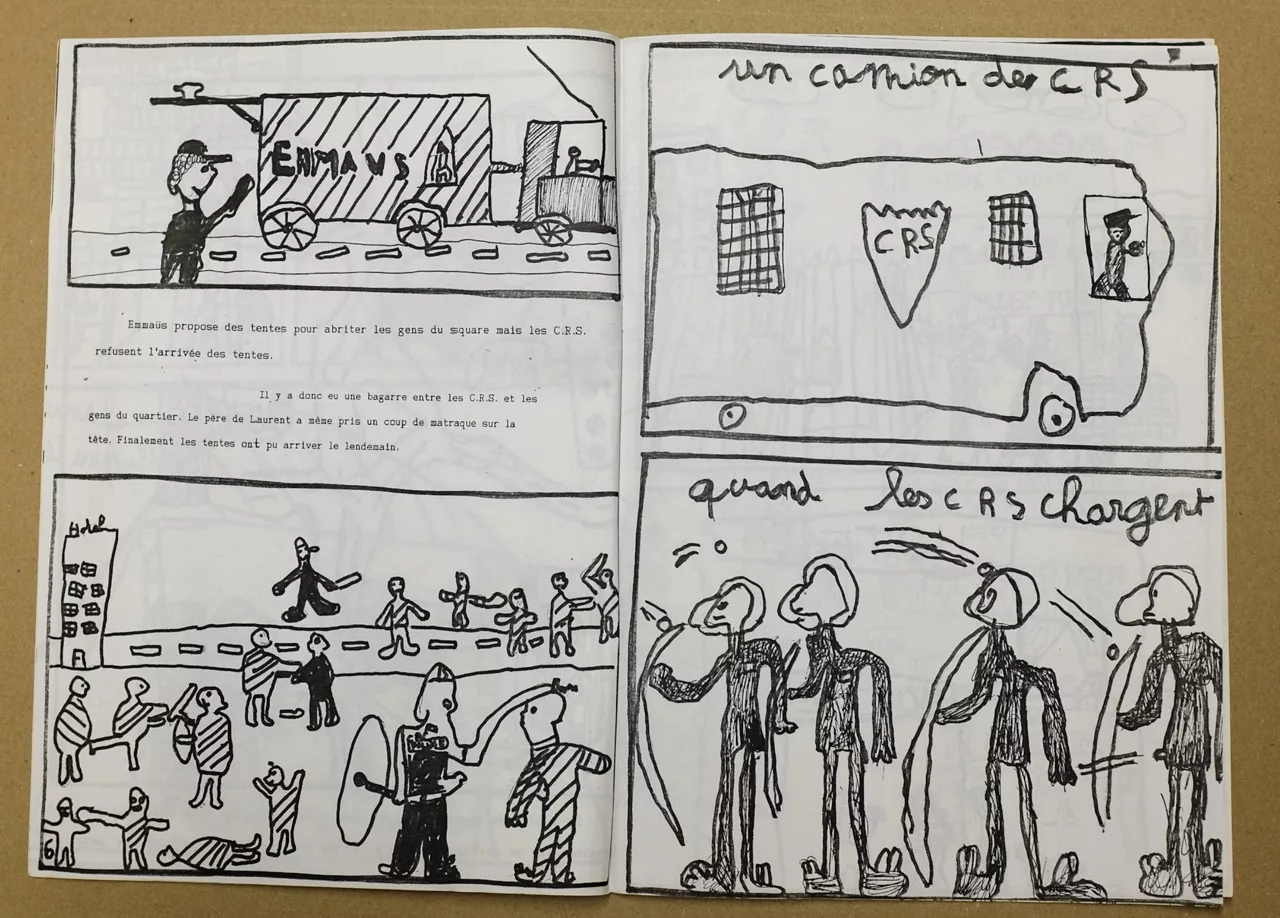
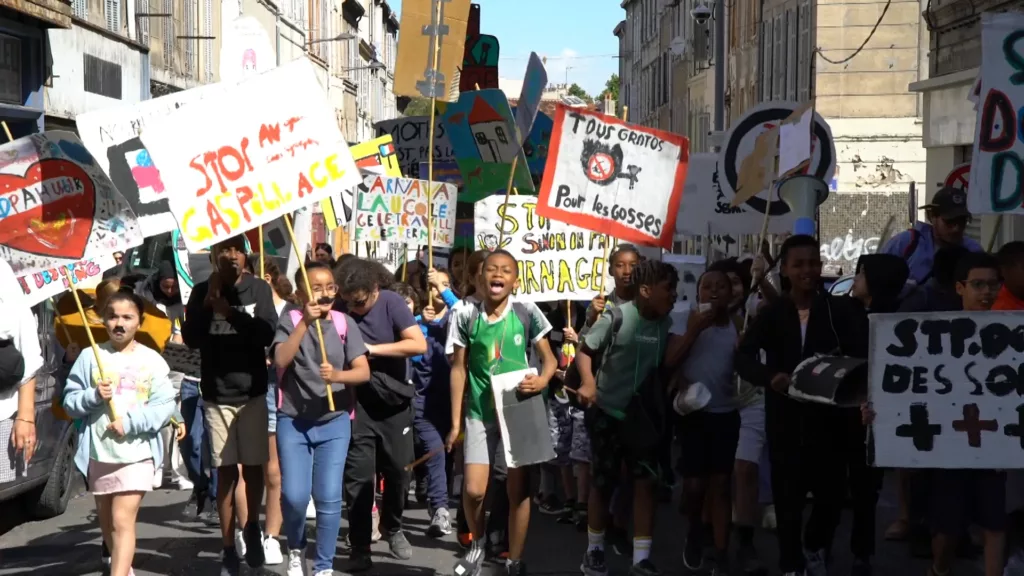
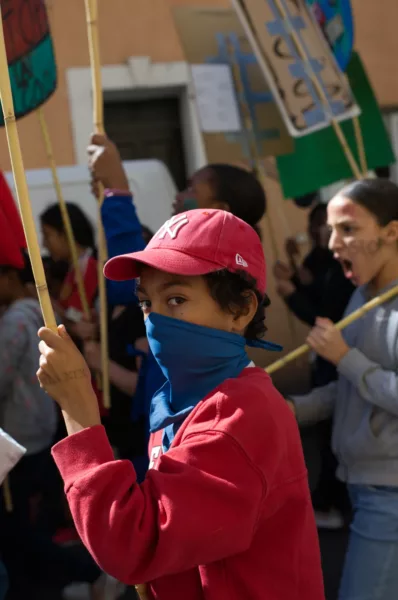
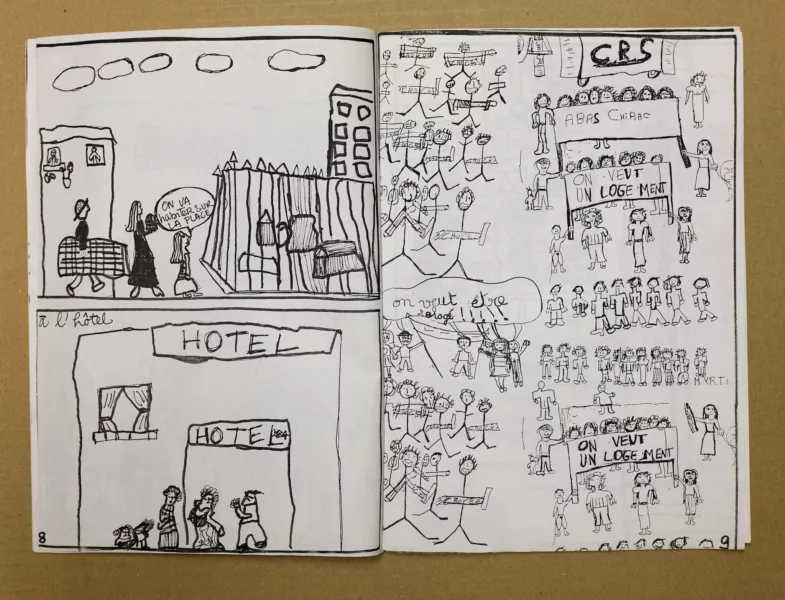
90 fifth-graders took to the streets of the Belle de Mai neighborhood armed with signs, costumes, and slogans to chant. Students from the Révolution Jet d’eau School joined those from the Cadenat School to kick off the children’s demonstration called “On est pas des rôtis.” FRAEME, 90 fifth-graders, 90 signs, 90 costumes, Belle de Mai, Marseille, France, May 12, 2023.

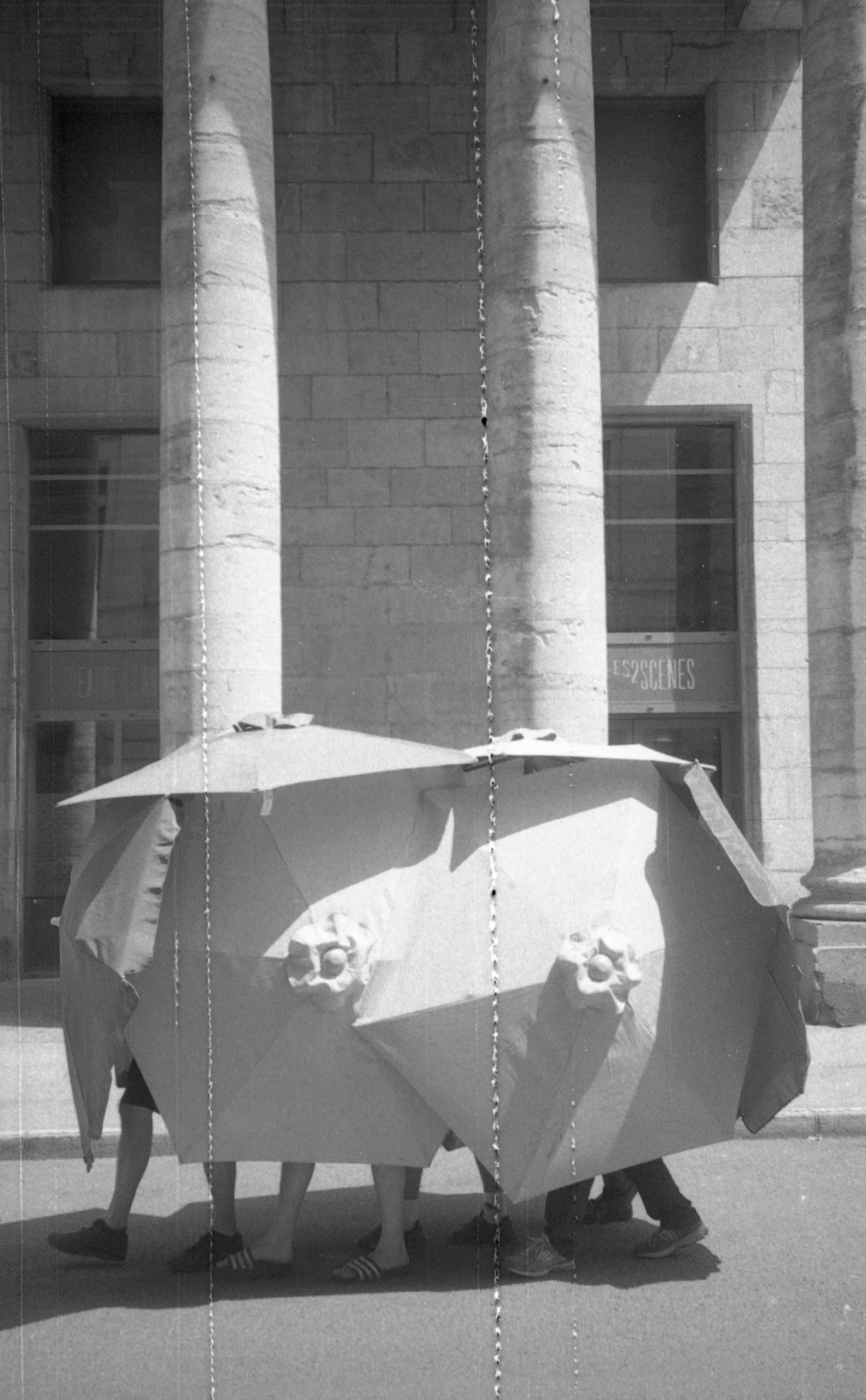
“The Chuglu group haunts Marseille and the world. But it’s the opposite of a ghost. If you see people moving furniture without knowing where they’re going, clementines that take ten people to eat just one, urban migrations of hundreds of patched-up soccer balls, demonstrations by authoritarian children, stone dinners served right in the street, and caves in the Old Port where overpriced clothes are given away for free, it’s probably because you’ve witnessed one of Chuglu’s pranks, because you’ve been struck by Chuglu, because he’s played an impossible trick on you, and because you can no longer tell everyday life from rebellion. From the heights of your Hilarity, fear the sudden attack of these former “nihilist barbarians” of art—this Group that is not a Collective, this Collective plagued by incessant meeting-mania, whose only form of unity is confusion. If, as you round a street corner in one of these capitals, witnessing an infinitesimal gesture in which a tiny deviation occurs, you tell yourself that enough is enough, that you must revolt, and that you’re fed up with being tied down like roast meat, it’s probably because you’ve been struck by a fever—a fever known as CHUGLU. ” Lundi Matin, 2025.

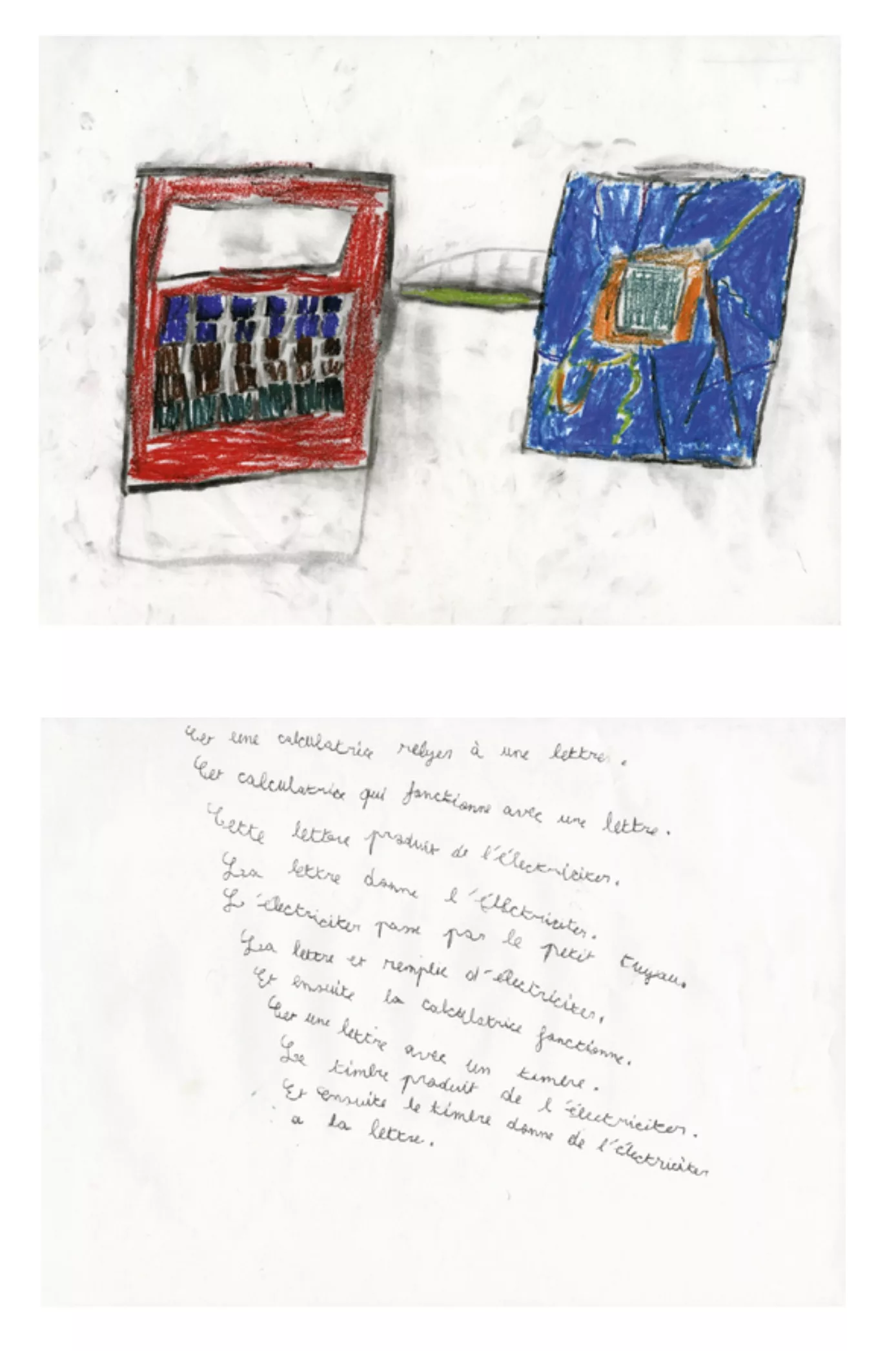
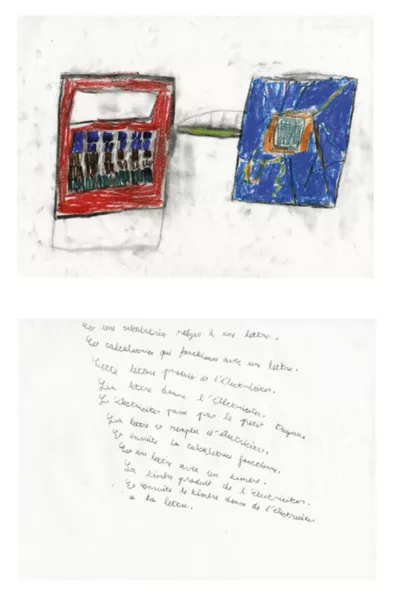
“Draw a machine and try to show not only what it’s used for, but how it works. You don’t know? Then use your imagination.” This was the challenge that two artists, Fanny Béguery and Adrien Malcor, presented to children ages 4 to 10 at three elementary schools in the Dordogne Valley, at the invitation of Peuple et Culture Corrèze.
*Enfantillages outillés* consists of two parts: one featuring the drawings and photographs created by the children during the workshop, accompanied by the children’s own words, their dialogues with the artists, and narratives and descriptions; and a text in which Adrien Malcor analyzes the implications of the experience, drawing on art history, child psychology, and the philosophy of technology. Theoretical generalizations thus follow an attempt to reconstruct certain individual and collective creative processes. The aim, like that of Célestin Freinet in his time, is to bring the richness of children’s thought into the public sphere. Children think; they are not merely thought of by adults. Art is “acted out”; it is also observed and analyzed. In this regard, *Enfantillages outillés* presents a fresh approach to children’s art and, perhaps, a necessary perspective on our technological environment.

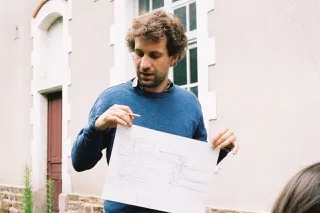
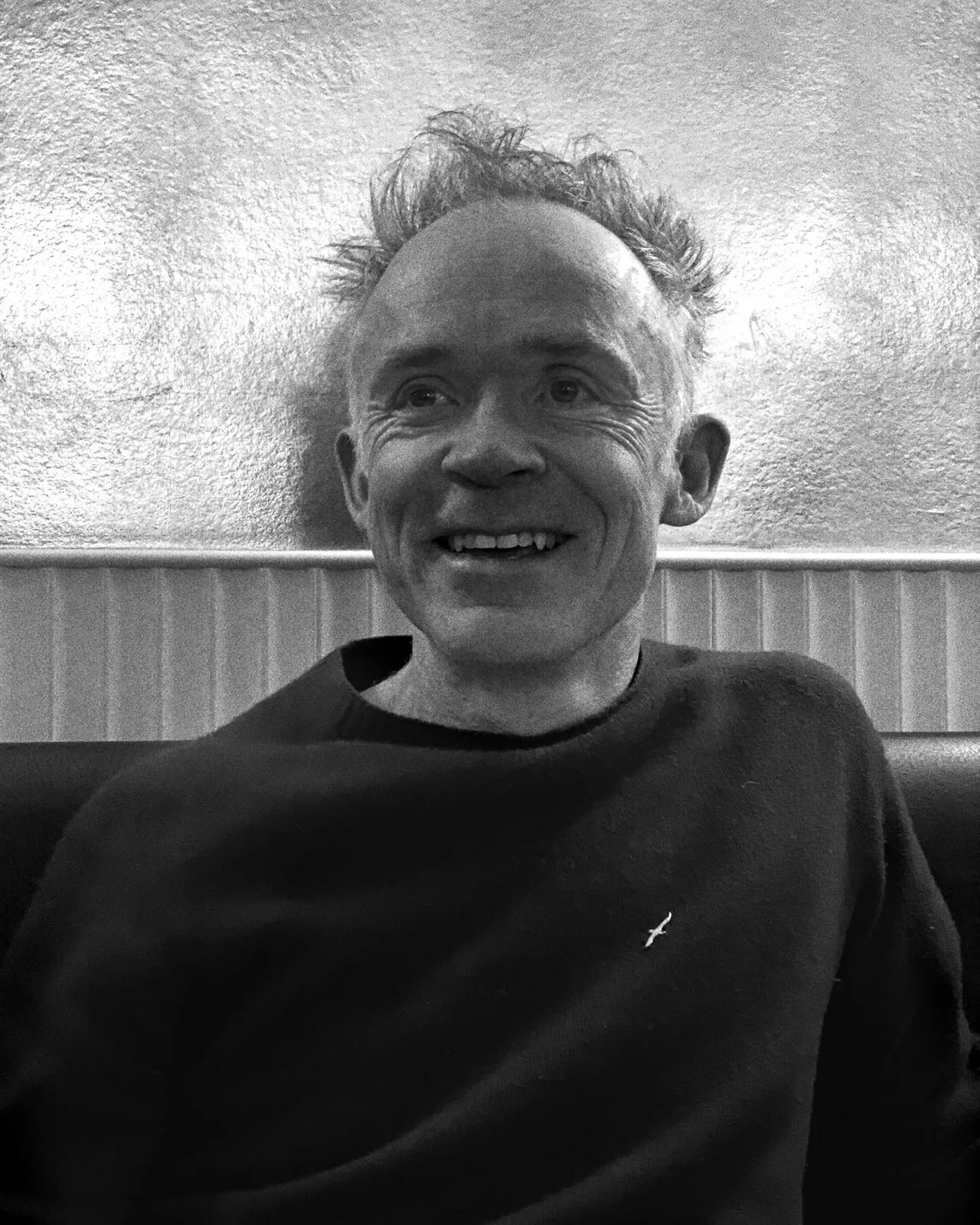
Adrien Malcor, born in 1981, conducts research and writes at the intersection of art history, literature, and philosophy. He co-authored the book *Enfantillages outillés. Un atelier sur la machine (Paris: L’Arachnéen, 2016), he has frequently collaborated with artists while writing about contemporary art and modern literature.
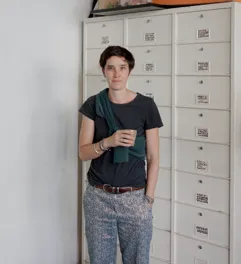
Fanny Béguery, born in 1984, is a visual artist who lives in Aubervilliers, in the Paris region, and works in Paris and Lyon. A member of the RADO group, she is the co-author, with Adrien Malcor, of the book *Enfantillages outillés. Un atelier sur la machine (Paris: L’Arachnéen, 2016). A graduate of the École nationale supérieure des beaux-arts in Paris and the École des arts décoratifs in Strasbourg, she works in printmaking, photography, and music. Since 2010, she has been developing her own practice in close connection with educational projects and a reflection on art education. For several years, she has also been involved in efforts to preserve the ecological and architectural heritage of the 20th century in Aubervilliers. She is currently conducting research on the history of women in printing and typography, which will be exhibited in 2028 at the Musée de l’Imprimerie in Lyon. At ENSBA Lyon, she teaches image-making practices at the bachelor’s and master’s levels; she coordinates the technical department dedicated to publishing.

The Microsillons collective, founded in 2005 in Geneva by Marianne Guarino-Huet and Olivier Desvoignes, develops collaborative artistic projects focused on social and civic reflection, using strategies drawn from critical and feminist pedagogies. The collective has collaborated with numerous cultural institutions in Switzerland and abroad. Since 2021, it has been conducting research on eco-pedagogy (https://ecopedagogy.ch/). Since 2015, microsillons has been responsible for the TRANSforme Master’s program in Art and Society, as well as the PhD Forum at HEAD – Geneva.

The Flipped Classroom
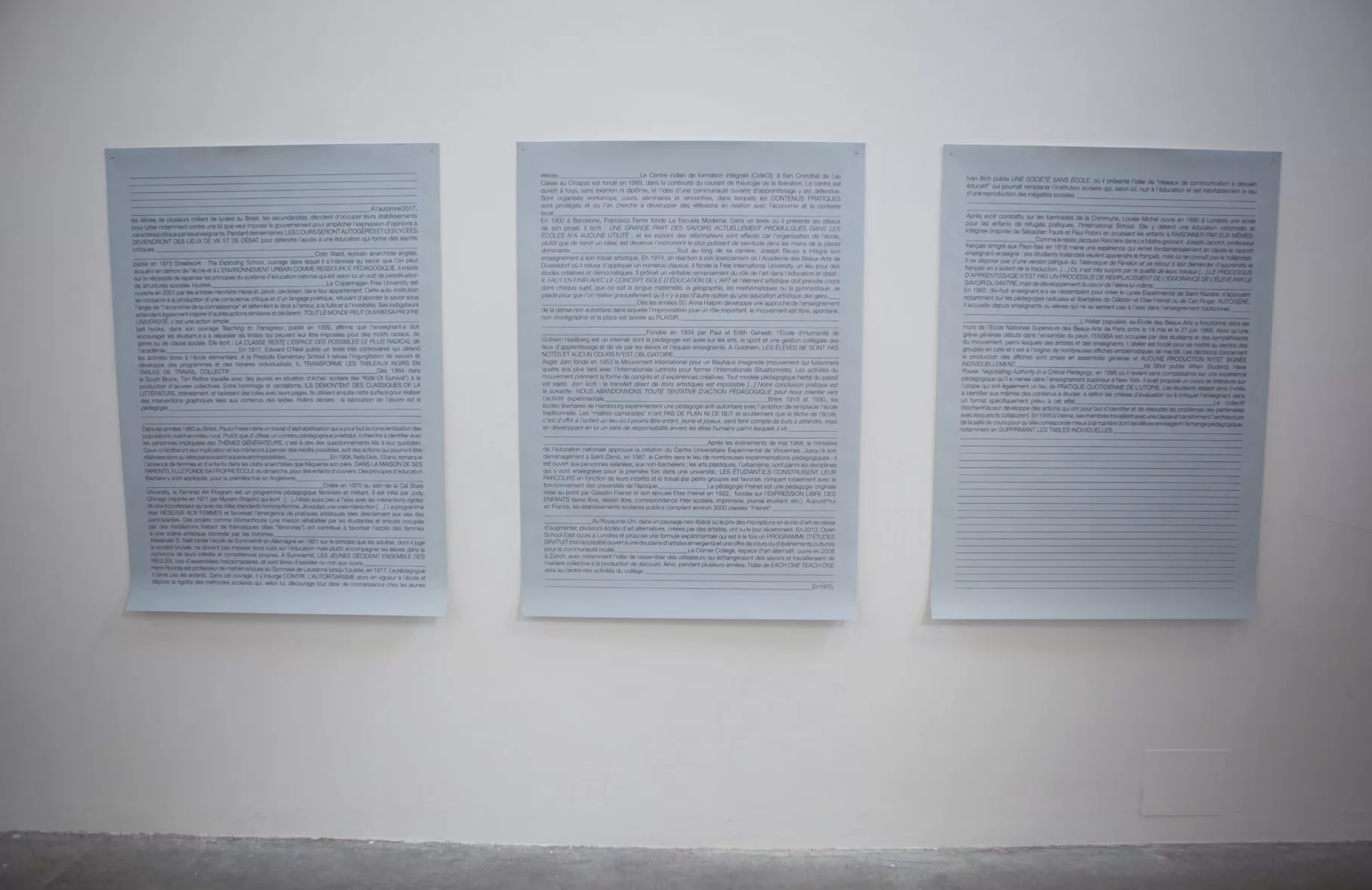
In the exhibition, three posters use text to call for acts of subversion linked to radical, libertarian, and feminist pedagogies. In addition, they will offer a workshop titled “The Flipped Classroom,” inspired by Paulo Freire’s eco-pedagogies.

The Word for Snow, 2025
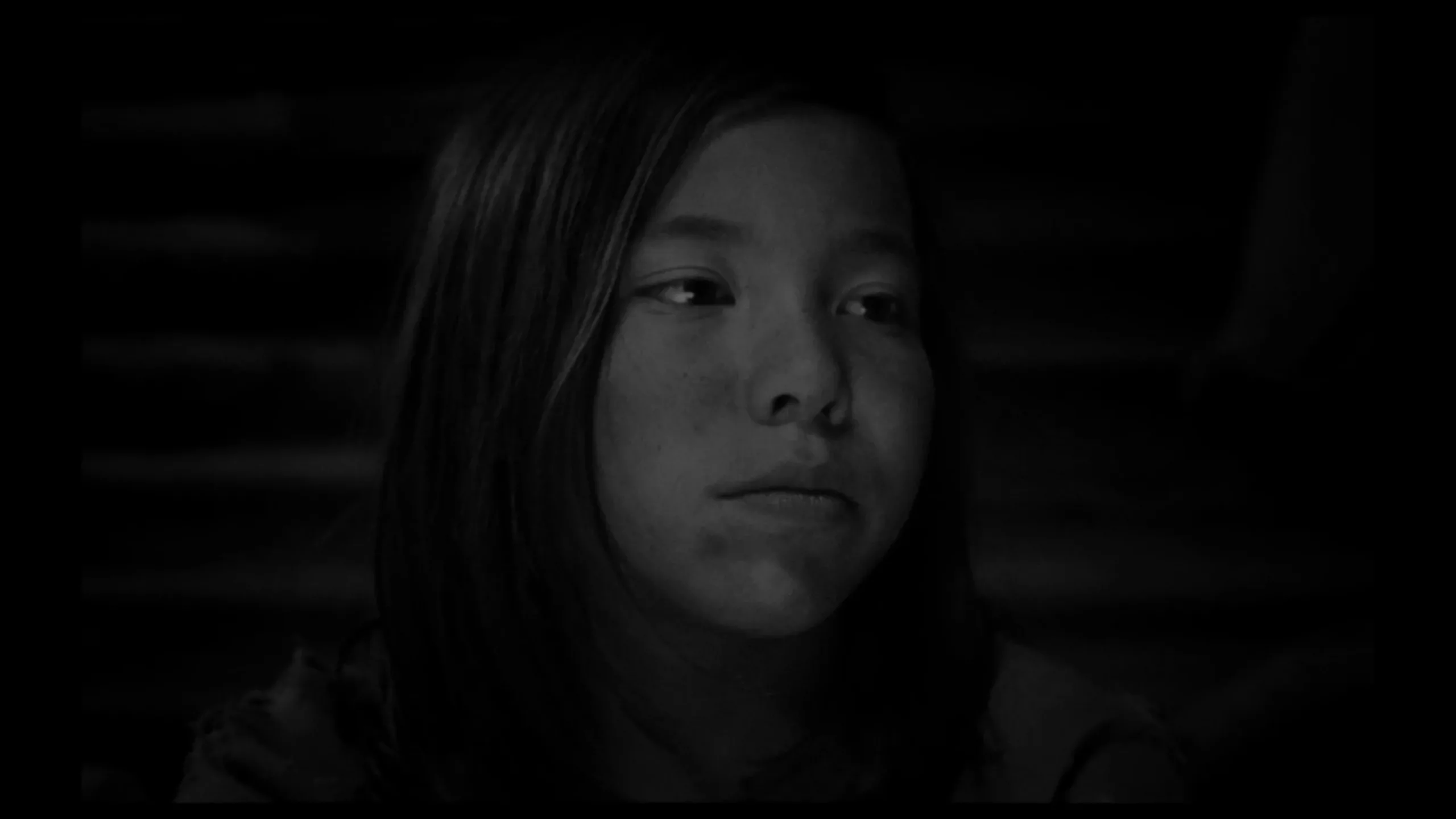
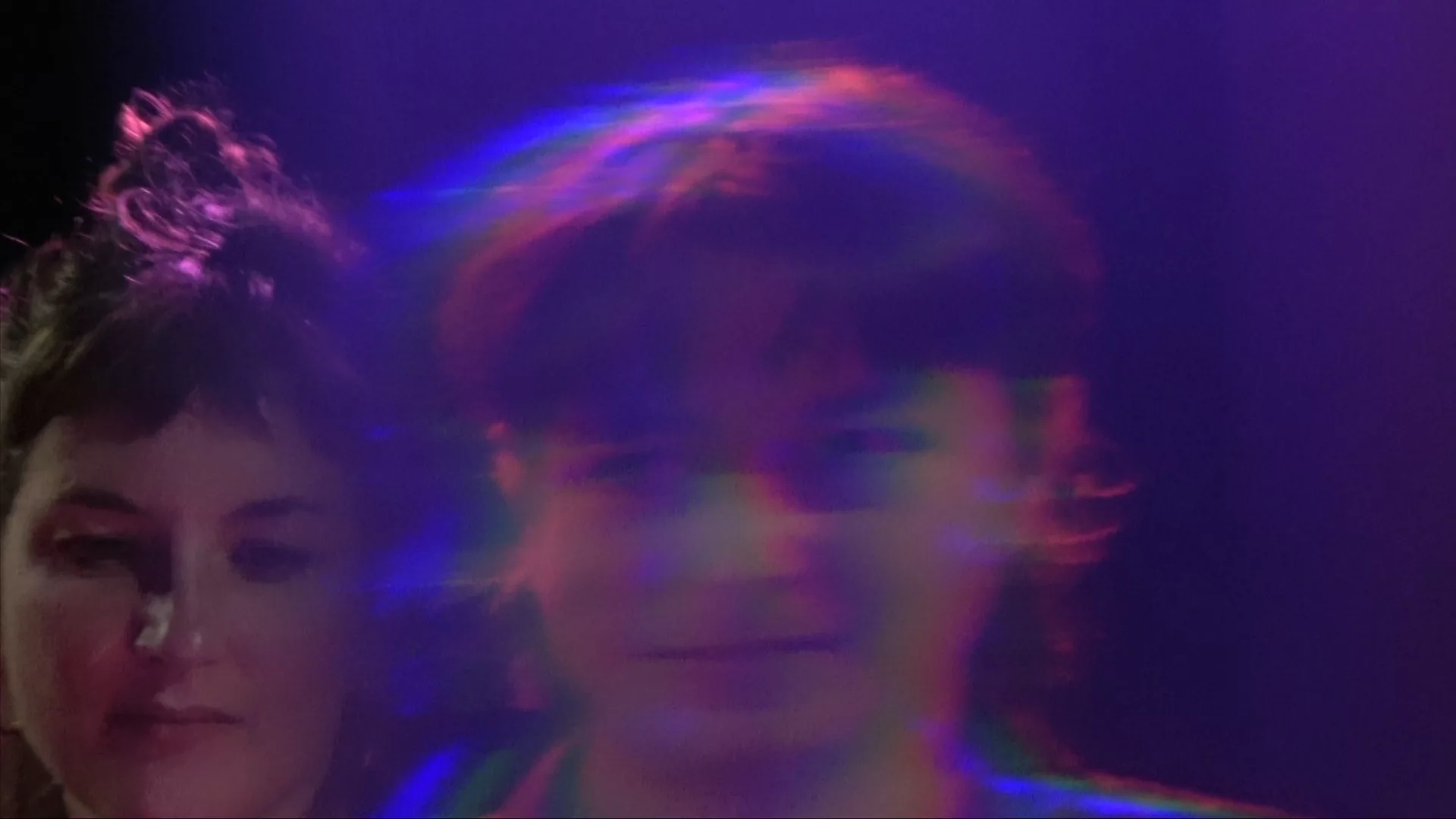
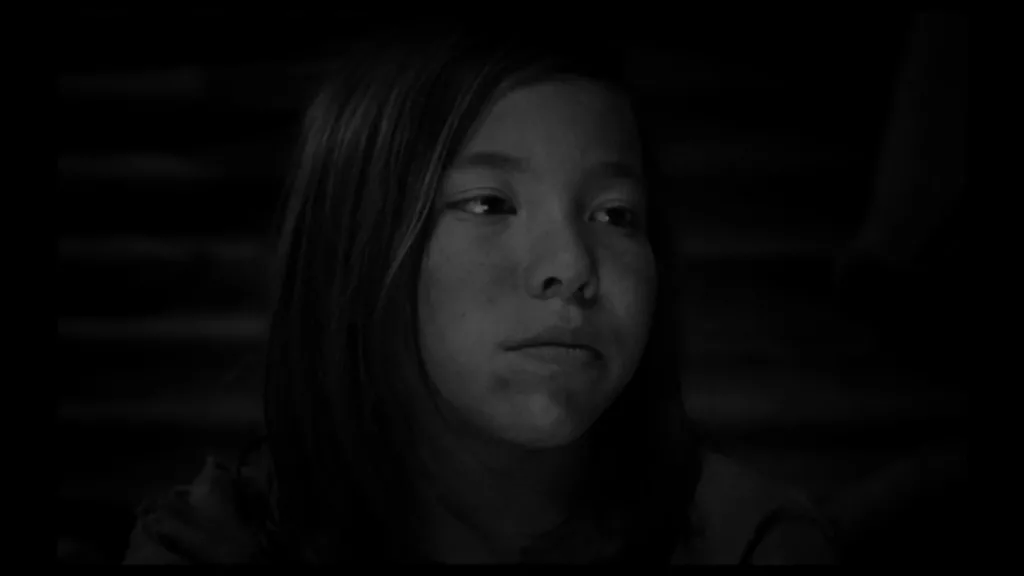
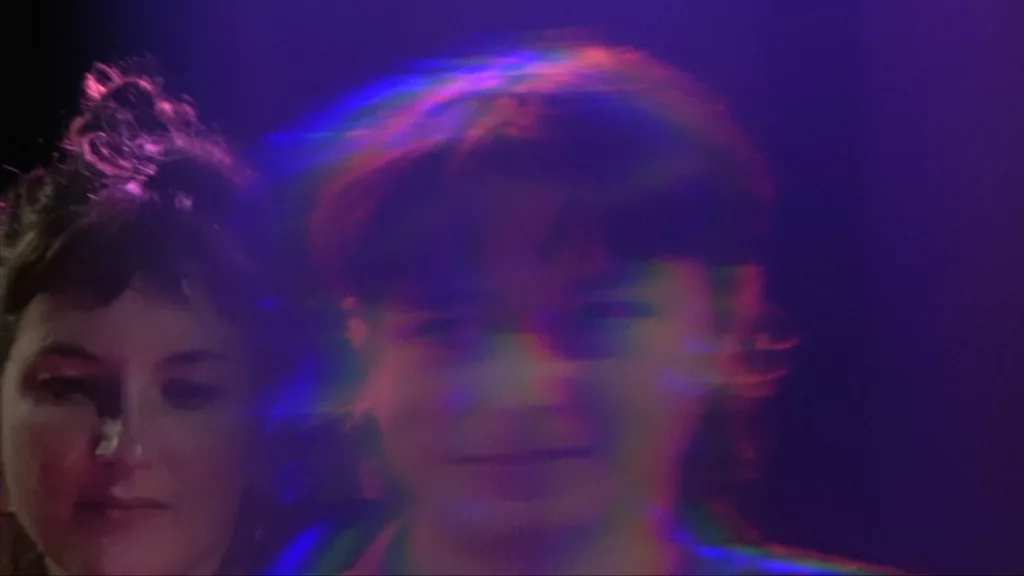
Set after an ecological catastrophe, the work imagines a future in which language begins to unravel, losing its connection to the world it once described. As landscapes vanish and species disappear, the film examines the limits of expression and the extent to which speech can disguise as much as it reveals. In this vision, words both obscure and supplant the very things they once named. They collude our inability to envisage what lies ahead, standing in for extinct animals, vanished landscapes and the irretrievable past.
The scene centres on three characters, the protagonist, Moon, who encounters a ‘scholar’ and an ‘interpreter’ on a mountain. As their conversation unfolds, they speak of an approaching time when there will be nothing left to describe. As the interpreter explains: “All languages, [the scholar] is saying. Airplanes burn up in mid-flight…What is the point of this language or that language?”
“Moon is on a journey to understand the world and to figure out how to move forward which, to my mind, is like a gradual letting go of everything that’s known. The reading of the Don DeLillo play is her asking questions and trying to find out the answers. The play isn’t just word-heavy but also in some fundamental way about language. The extinction of things goes hand-in-hand with the extinction of languages.” – Ben Rivers

Ben Rivers makes films which tread a line between documentary and fiction, often following people who have in some way separated themselves from mainstream society, creating oblique narratives imagining alternative existences. Awards include the EYE Art Film Prize; FIPRESCI International Critics Prize, 68th Venice Film Festival for his first feature film Two Years At Sea; Baloise Art Prize, Art Basel; and the Pardo Verde for Mare’s Nest at Locarno Film Festival.

Extra Life (and Decay) (21min, 2025)
A polyphonic narrator — filmmaker, parent, forest, insects, fungi, childcare worker — declare their absolute refusal of labor exploitation, and their necessity to join collective bodies in resistance.Who ordered legibility? In an incantation to conjure authority, the film unfolds the connections between the inventions of nuclear families and managed forest plots as controllable normalized units of profitability. Extra Life (and Decay) celebrates hospitality as a survival tool to fight morbid politics of isolation. An ode to the multitude, the illegible, the unmeasurable.

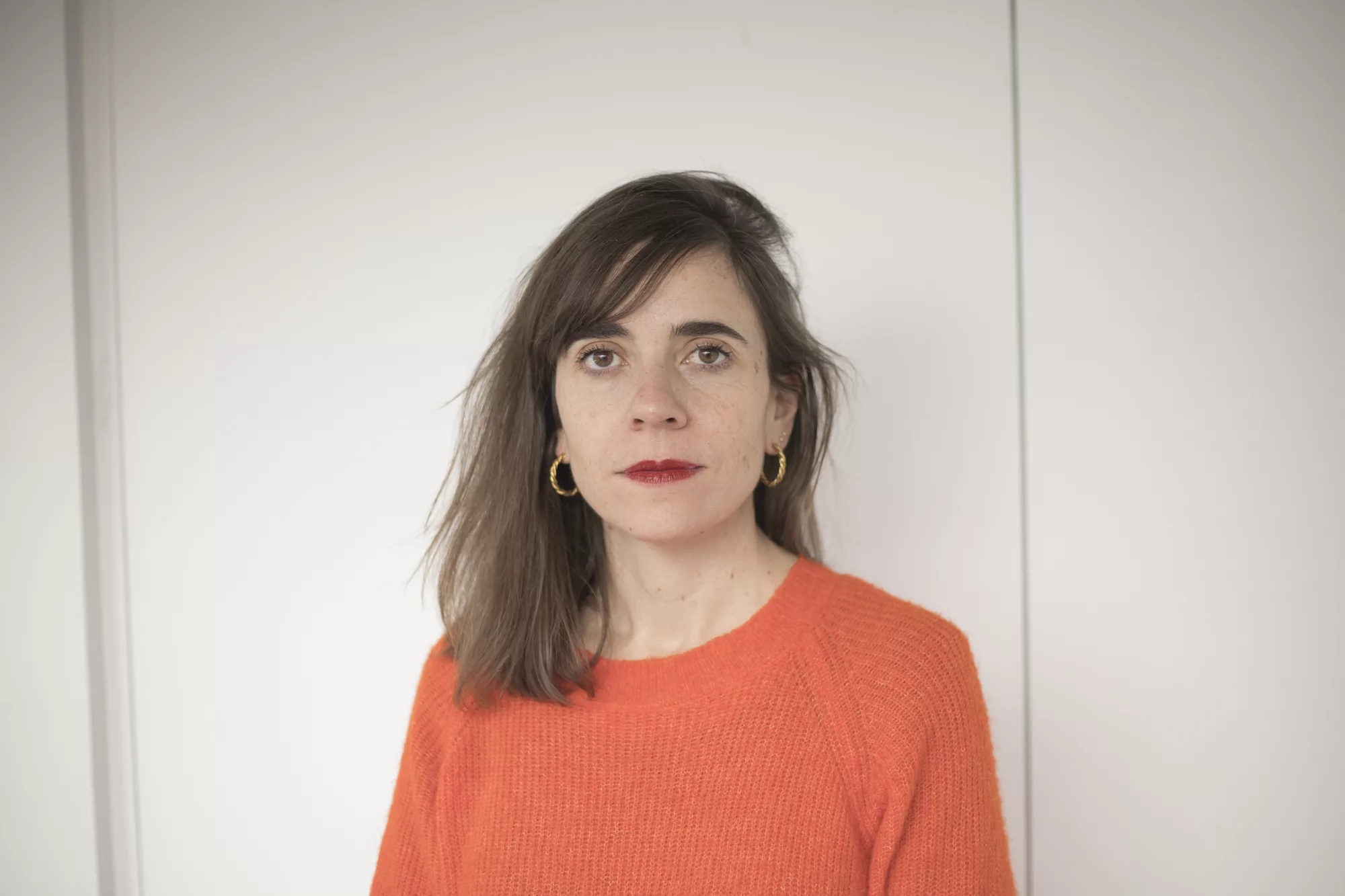
Stéphanie Lagarde is a visual artist and filmmaker. Her work explores the strategies and practices through which living beings appropriate and occupy a space, a territory, or a narrative. Through systems of signs, languages, and objects, she explores the manifestations of power and alternative counter-powers that unfold within our spaces of life and memory. She has exhibited at the Berlinische Galerie, EMST Athens, Plato Ostrava, Kunstmuseum Bonn, Ludwig Forum für Internationale Kunst, Center for Contemporary Photography Melbourne, and the Palais de Tokyo.
Her films have been screened at festivals such as the Berlinale Forum Expanded, IFFR Rotterdam, Internationale Kurzfilmtage Winterthur, BISFF Beijing, Berlin Atonal, Videonale, Transmediale, DOKLeipzig, EXIS, RIDM Montreal, DocMX Mexico, and Vienna Shorts.

© photo by Gaerald Kurdian

Mangrove School (2022, 34 min)
During Guinea-Bissau’s struggle for independence from Portugal in the 1960s, rebel leader Amílcar Cabral launched an ambitious education programme to fight the Portuguese colonial power. In ‘Mangrove School’, Filipa César and Sónia Vaz Borges traverse the history and impact of the movement. In the 1960s and 70s, the nomadic guerrilla schools under the mangrove trees became symbols of the people’s anti-colonial struggle, including against the colonial mentality itself. A school system set up by militant rebels, which for the same reason became the target of bomb attacks during the country’s long struggle for independence. Based on historical research, and at the crossroads of art and political theory, César and Borges revisit the history of the mangrove schools in a documentary fable of resistance, independence and autonomous forms of education.

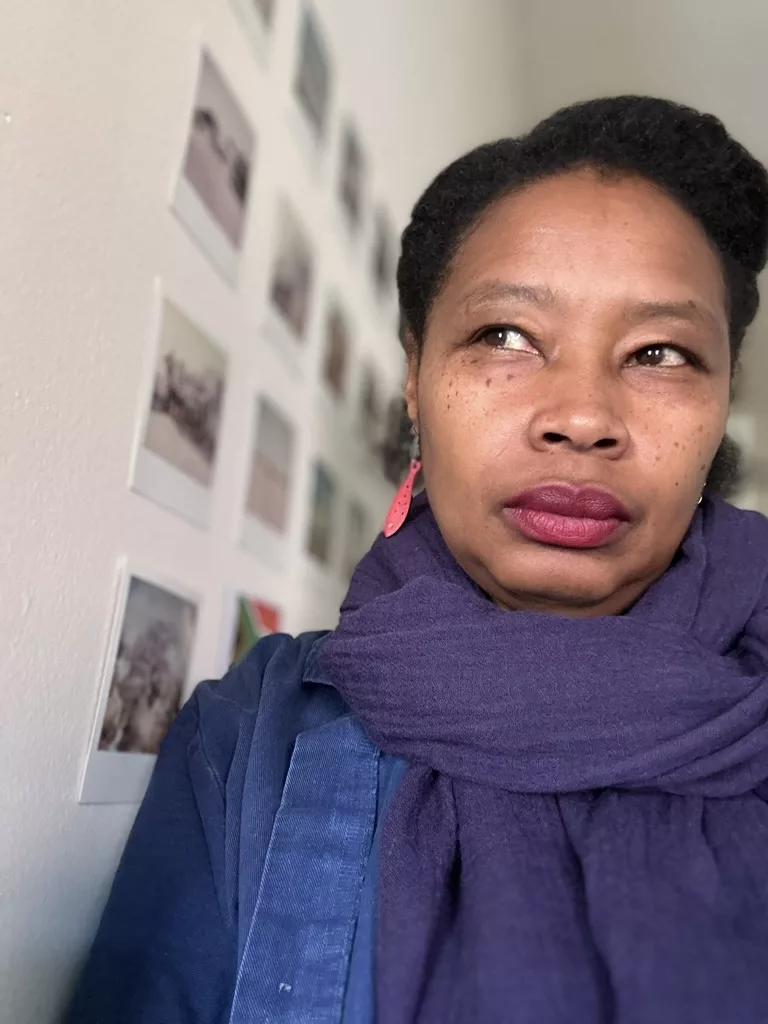
Sónia Vaz Borges is a militant interdisciplinary historian born in Portugal to Cabo Verdean immigrant parents during Portuguese colonial occupation. Her work explores anti-colonial liberation struggles, militant education, memory and archives. Vaz Borges is Assistant Professor of History and Africana Studies at Drexel University. She received her PhD in History of Education from Humboldt University of Berlin. Selected projects include Greenhouse, Portuguese Pavilion, 60th Venice Biennale (2024); the film Weaving Stories while Walking  (with Mónica de Miranda, 2024). Publications include Ragás (with Maria Isabel Vaz, 2024); Militant Education (2019). She lives and works in Philadelphia. Website: www.soniavazborges.com.

An artist and filmmaker, Filipa Cesar (Porto, 1975) is interested in the porous boundaries between the moving image and its reception, exploring the fictional dimensions of the documentary and the economy, politics and poetics of cinematic practices. A large number of her films are focused on the ghosts of resistance that lie at the center of Portugal’s geopolitical history. Through the creation of performance spaces she proposes a subjective approach to knowledge and questions the production mechanisms of epic national tales, such as the erasure of events concerning minority populations.
Since 2011 she has made several films that use as a matrix the first steps of resistance and liberation cinema in Guinea Bissau, such as the fragments of a lost heritage for which she endeavors to resuscitate its potential via a process of collective research (“Luta ca caba inda”, “The Struggle is not yet over”). In 2017, “Spell Reel”, her first feature-length film, which follows this adventure, was presented in a world premiere at the Berlinale (Forum), and then in nearly twenty festivals and museums around the world, receiving many prizes. With “Sunstone”, (2018), directed in collaboration with Louis Henderson, she explores a cinema that interrogates the visual technologies of power and the materiality of observation, in the spirit of the works of Harun Farocki.

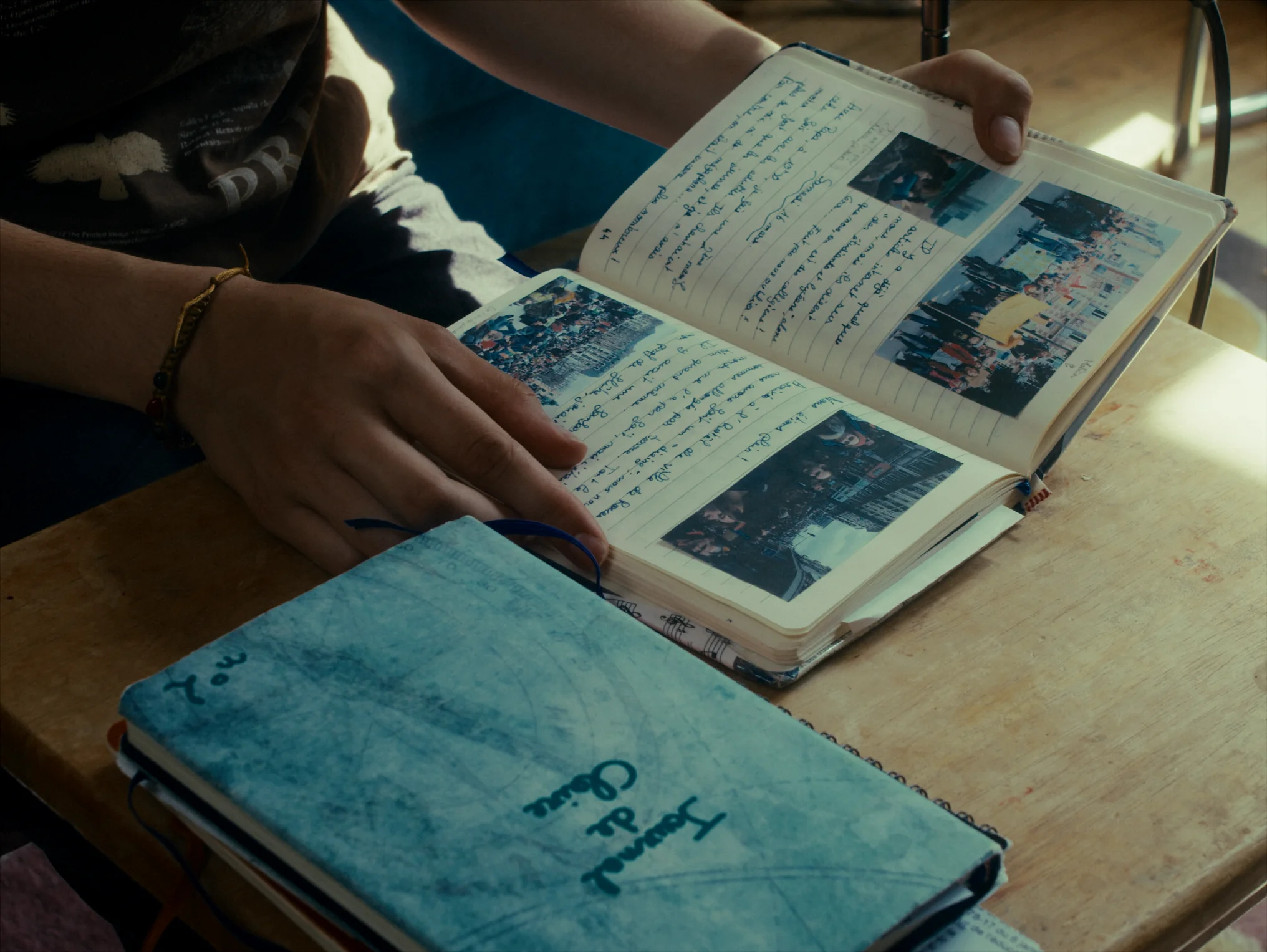
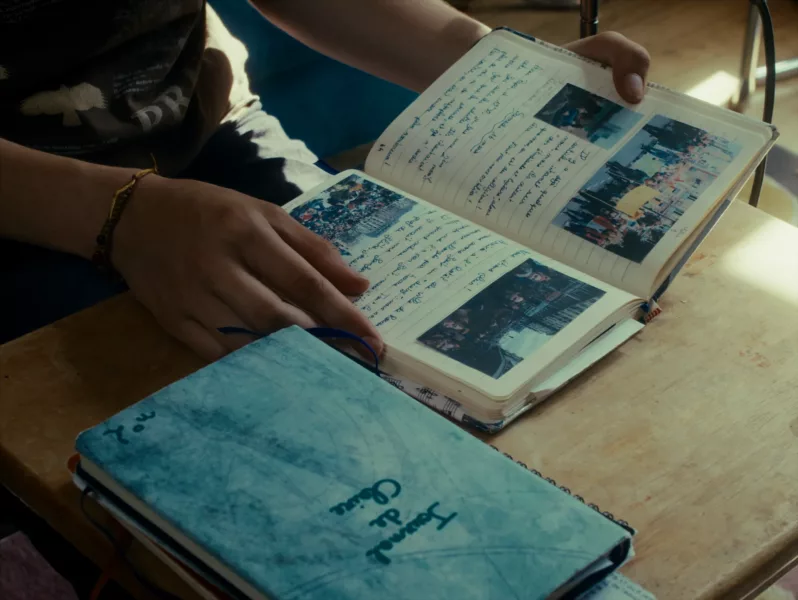
Claire is one of many young people who, at the age of 14, decided to take action to “save the planet,” disgusted by inaction on climate change and inspired by Greta Thunberg. A few months earlier, she had started writing a journal chronicling her daily life, which quickly turned into a journal of the struggle, documenting—on her own small scale—the first victories, moments of enthusiasm, and disappointments of this youth movement for a desirable future. Now a student of ecology, she hasn’t forgotten this search for meaning in a world that can sometimes be frightening, and here she shares her personal writings as an archive of hope that remains as relevant as ever.

Soundtrack, reading, photography

A poet active in the fields of performance and action poetry, Yoann Thommerel brings his own texts to life in forms that draw on both the performing and visual arts. Language is the primary material of his work, which he explores as a living substance and a tool for connection and transformation. Together with Sonia Chiambretto, he founded the Groupe d’information sur les ghettos (g.i.g). As a director, he co-leads the theater company Le Premier épisode with her.
Food-related violence is at the heart of his concerns. He is notably the author of *Manger low cost* (éditions Nous, 2025). Currently in residence at Le Shed, a contemporary art center in Normandy, he is the initiator of the collective project *Rice Power*, a vast poetic exploration of modes of production and distribution, culinary practices, beliefs, and imaginaries linked to rice—the world’s oldest cultivated plant, a staple in times of crisis, and a constant presence in food aid baskets and on plates served in community kitchens.

As part of the exhibition, Yoann Thommerel will present the premiere of a new work, *Stratagèmes* (2026, 20 min), a reading-performance, during the opening reception on Saturday, November 21, 2026, at 6:00 p.m. Read more.

Archives

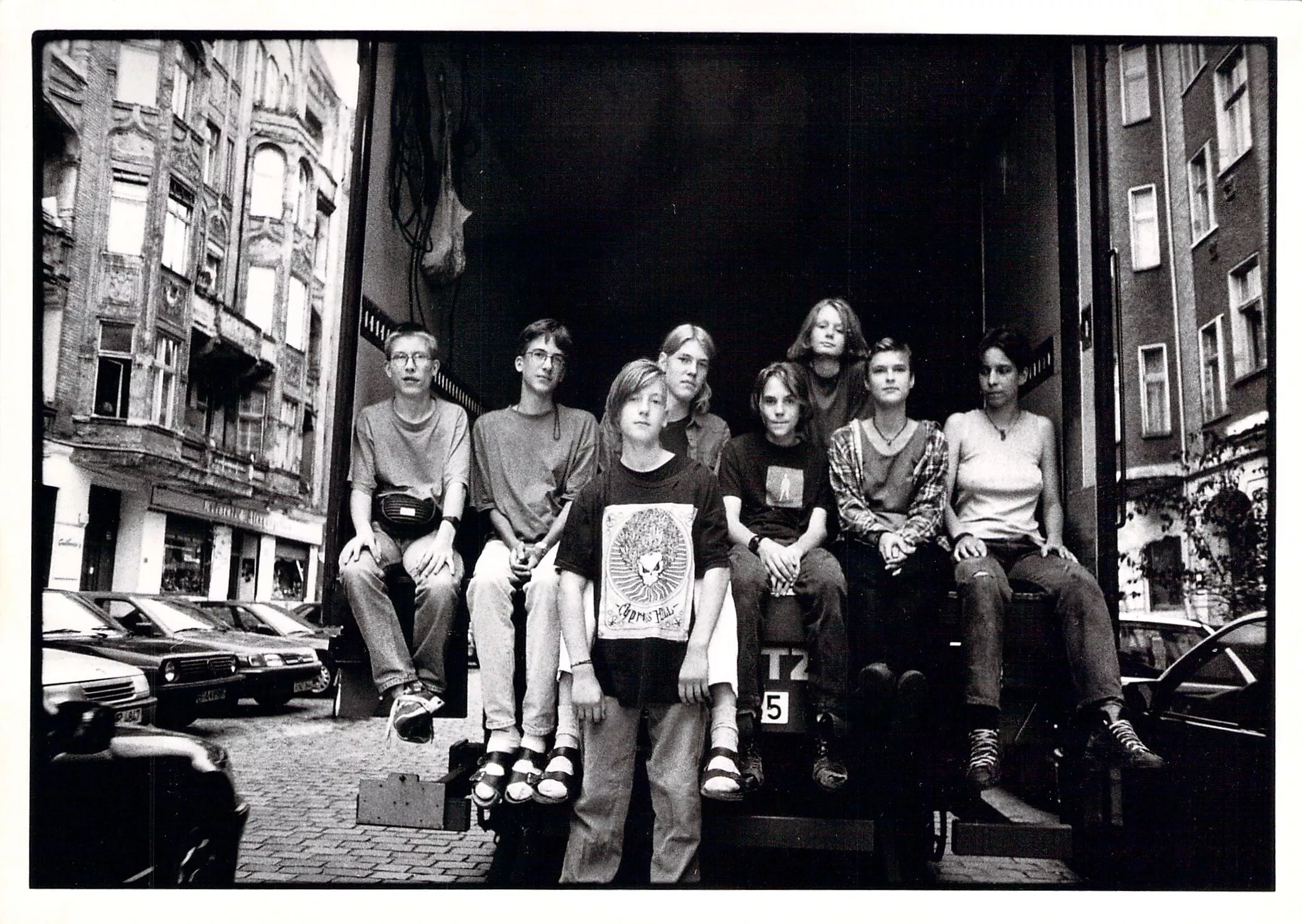
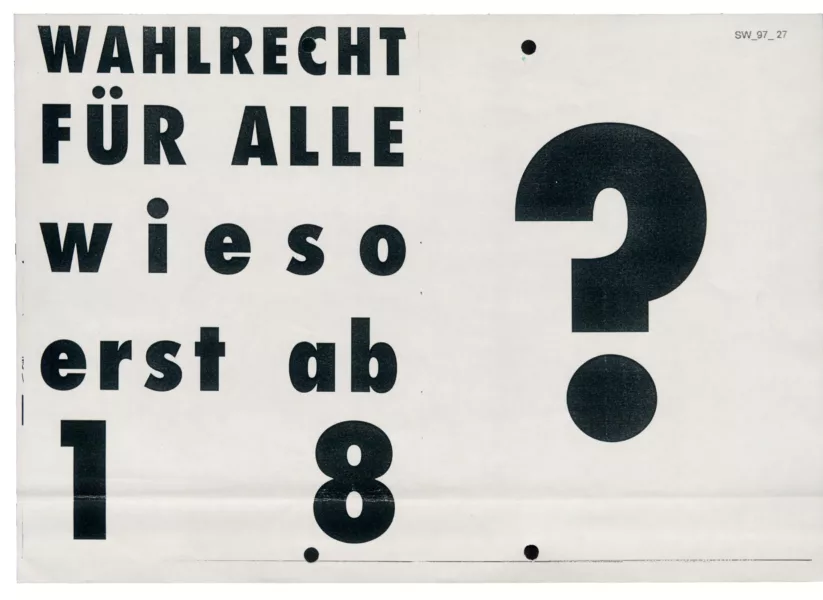
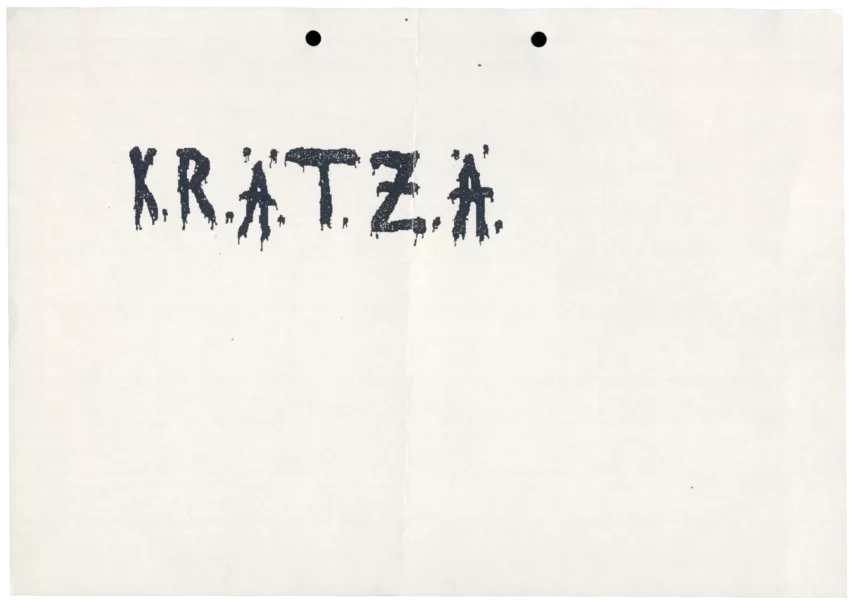
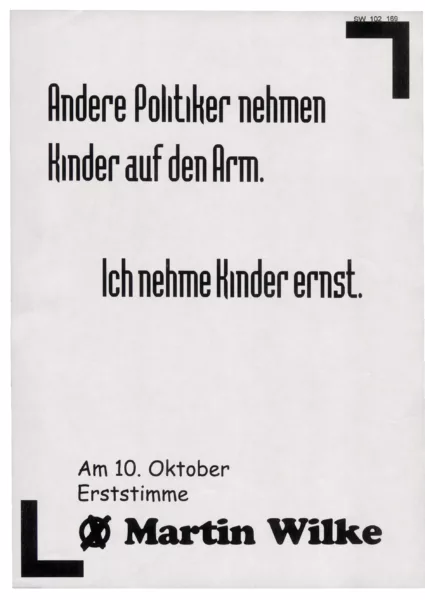
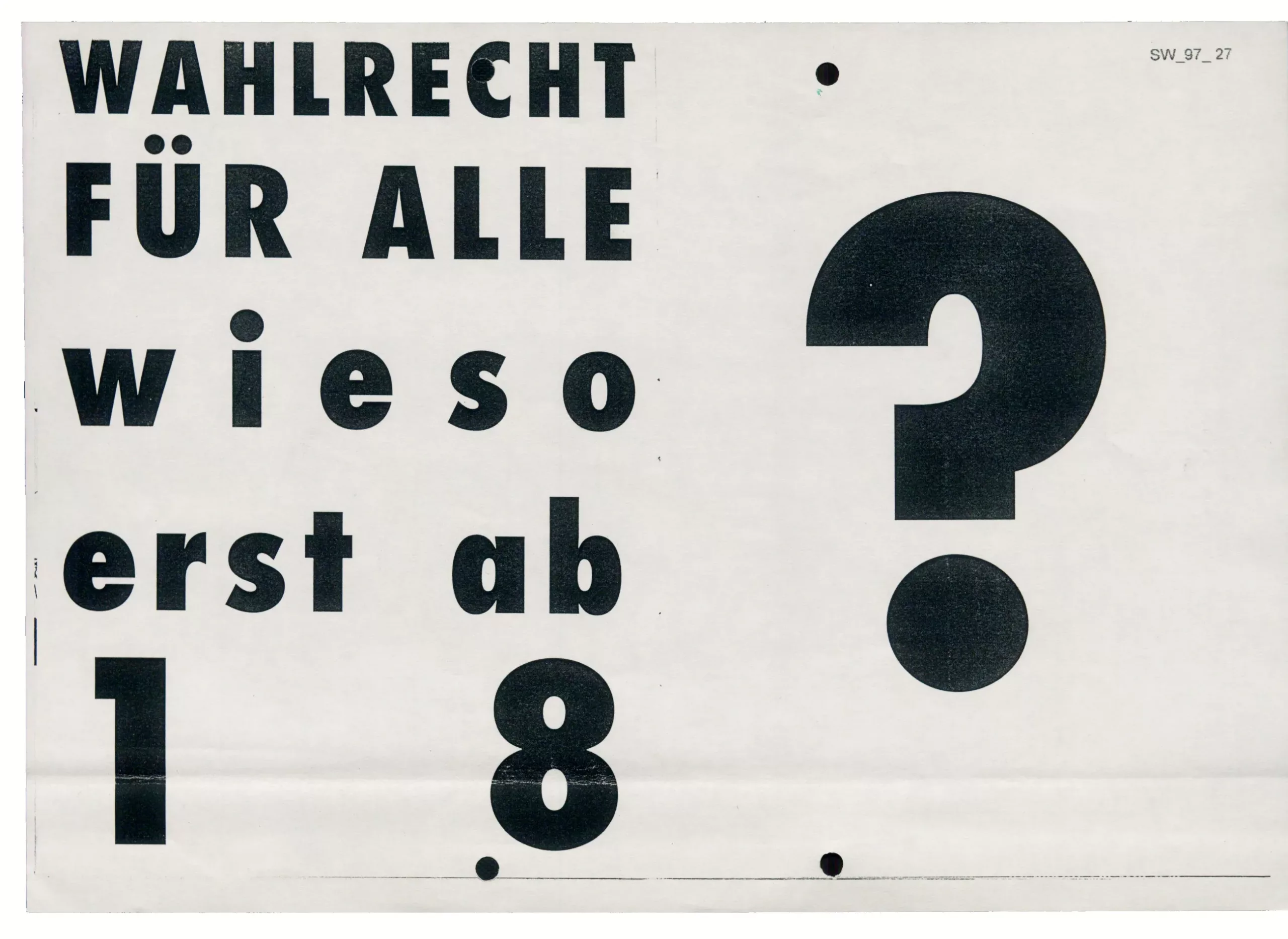
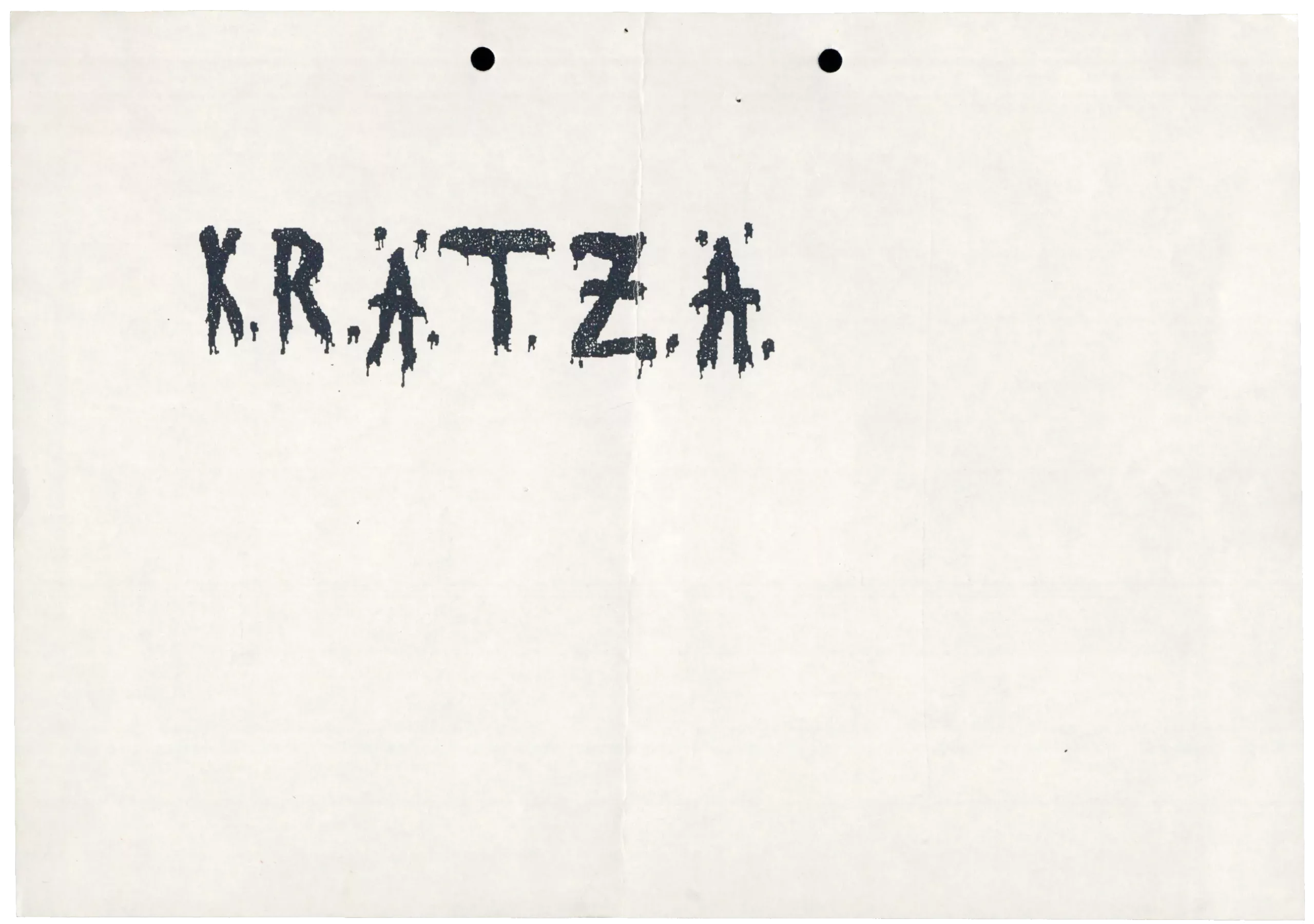
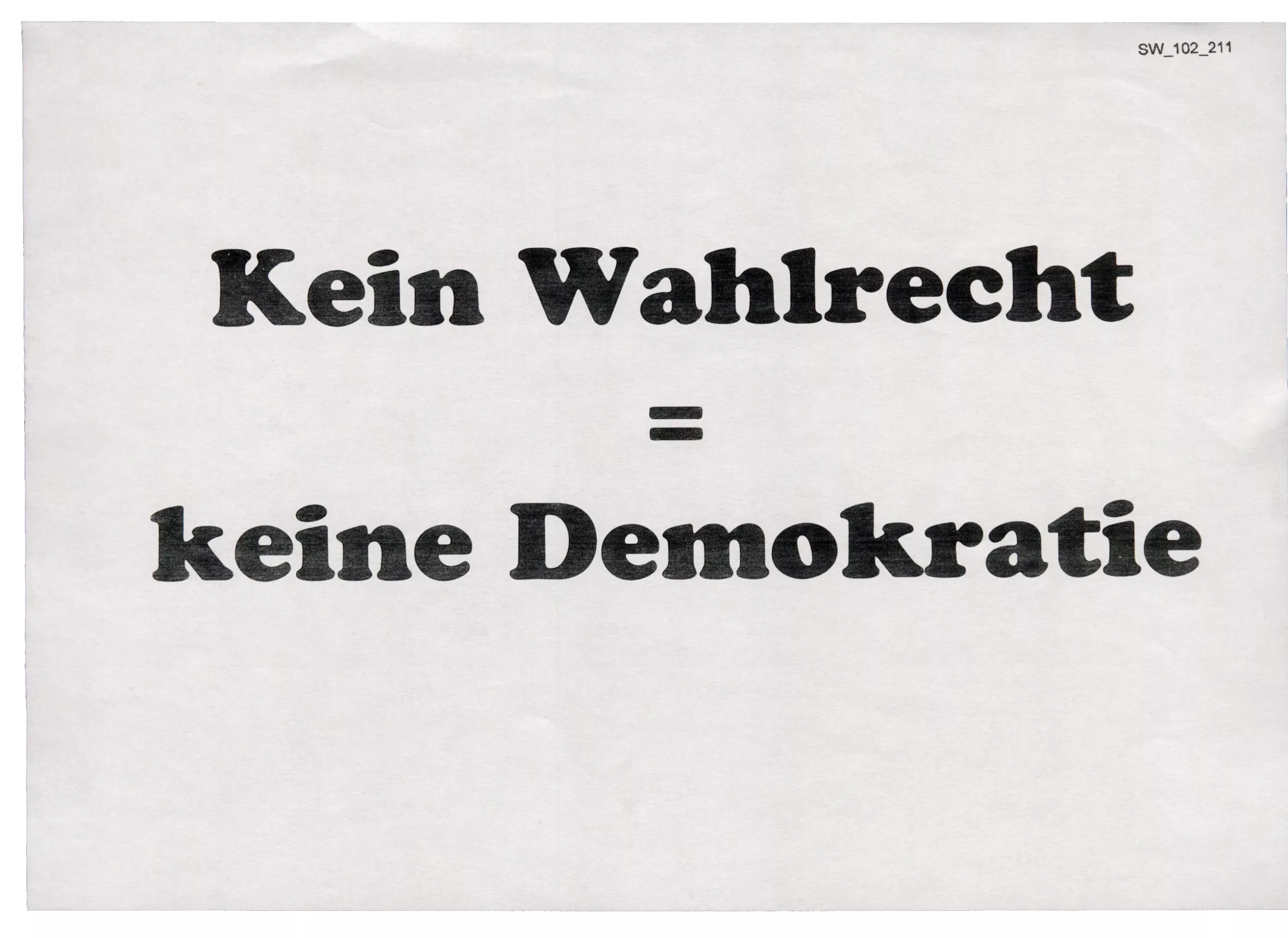
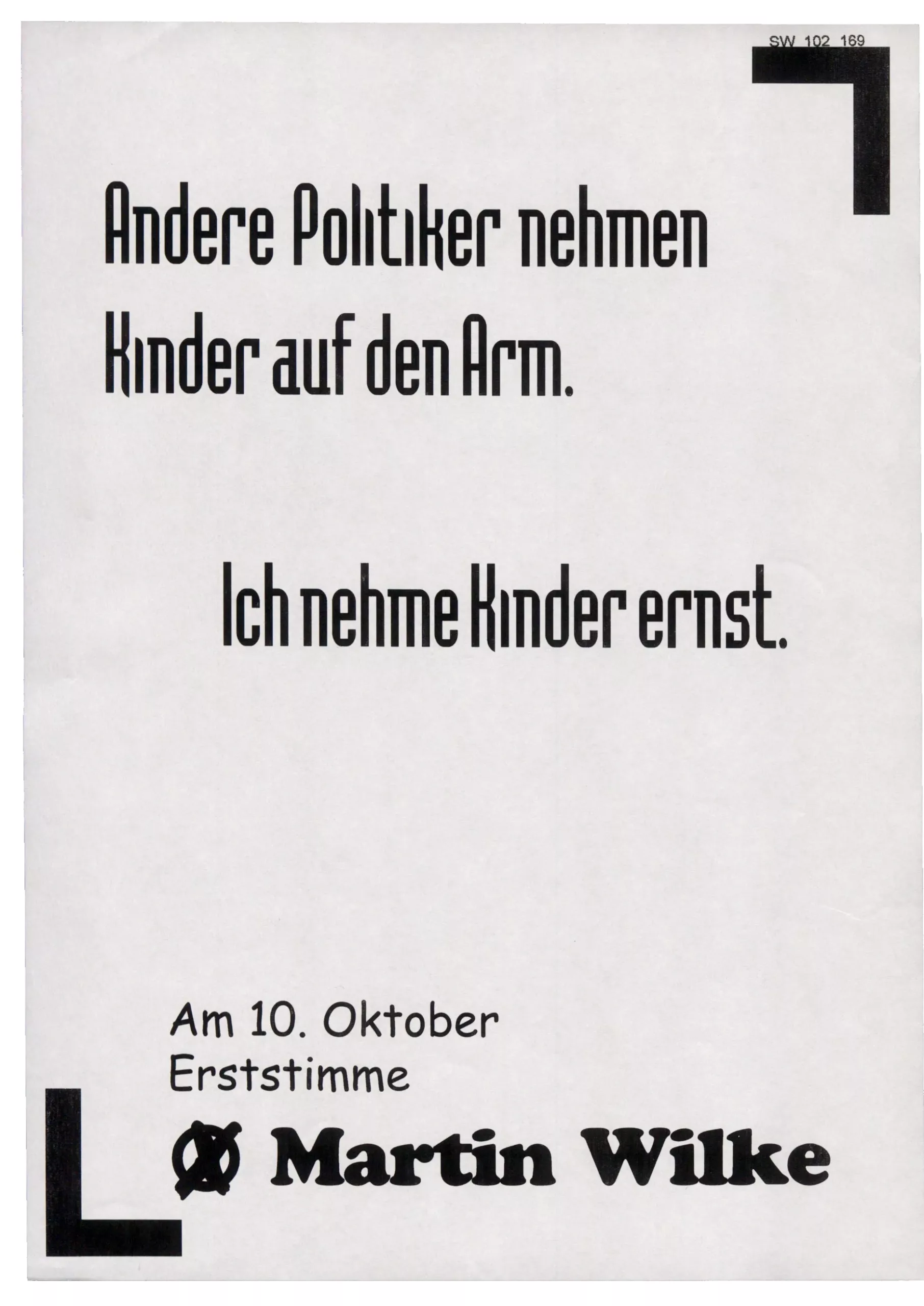
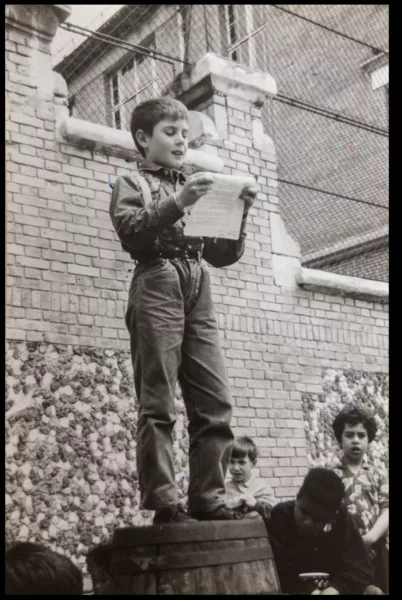
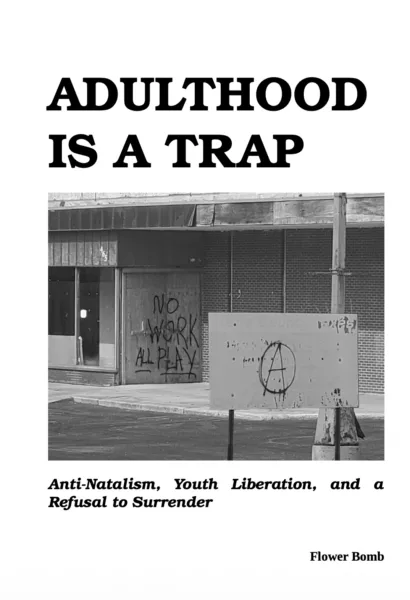
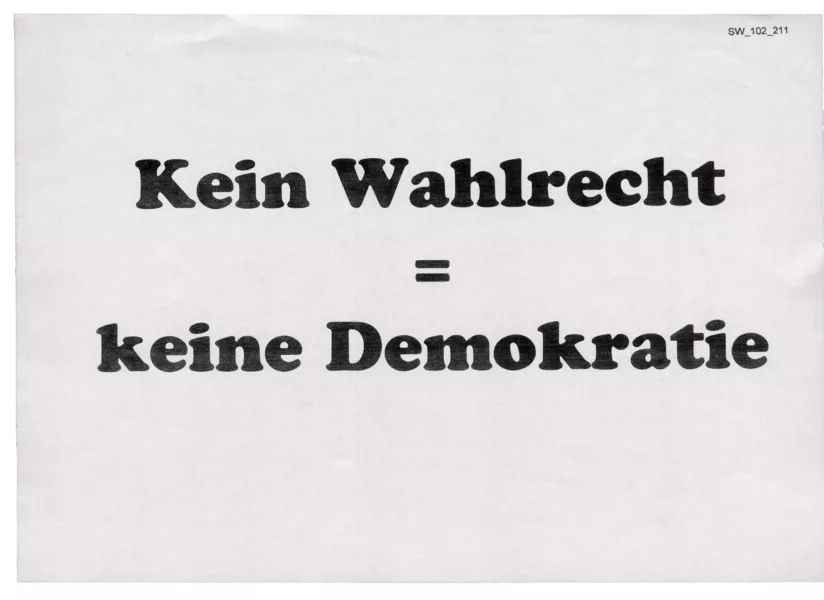
“We are a group of about 20 people fighting for equality between children and adults. Our main issues are the right to vote, school, and family. But we are also concerned with other issues related to age discrimination, such as child labor and child protection.”
The K.R.Ä.T.Z.Ä collective was active in the 1990s. Among its actions were a lengthy letter refusing to continue taking chemistry classes and a legal challenge against the German government for constitutional discrimination regarding the so-called universal right to vote, which is not actually universal.

Vitruve is a public school located in the Réunion neighborhood of Paris, in the 20th arrondissement. It is a school that stands out within the French National Education system because of the projects that children and adults carry out there, and the ideas and work they develop—particularly with regard to the concepts of “citizenship” and “autonomy.”

“ Let’s imagine that a group of people has taken up residence in a Parisian school. A sort of vacation spot for incurable nomads, a new kind of long-term lease (soon to be sixty-four years already), a peninsula, a pause, a sanctuary, a resurgence… We welcome choreographers into places of worship, horse trainers into princely palaces, little-known writers into public libraries, open-air movie theaters, barricades on street corners, new words into academic dictionaries, Homo sapiens into the caves of Pont d’Arc…
Vitruve is this place of residence. If it is a school, it has been realized. The people still there talk to one another, meet, and move about. Our current task is to reconstruct what they said to one another, what they found, and what they moved, to arrive at where they are now. Vitruve is a collective effort. Without intellectual mentors, without masters of any kind. With the young and the old, the small and the great. Everyone is at work. And for a child, that work is their childhood. Our current task is to listen to them express themselves in their own words. From a learning organization to apprentices who organize themselves. Hands that rebuild, hands that reshape. ”

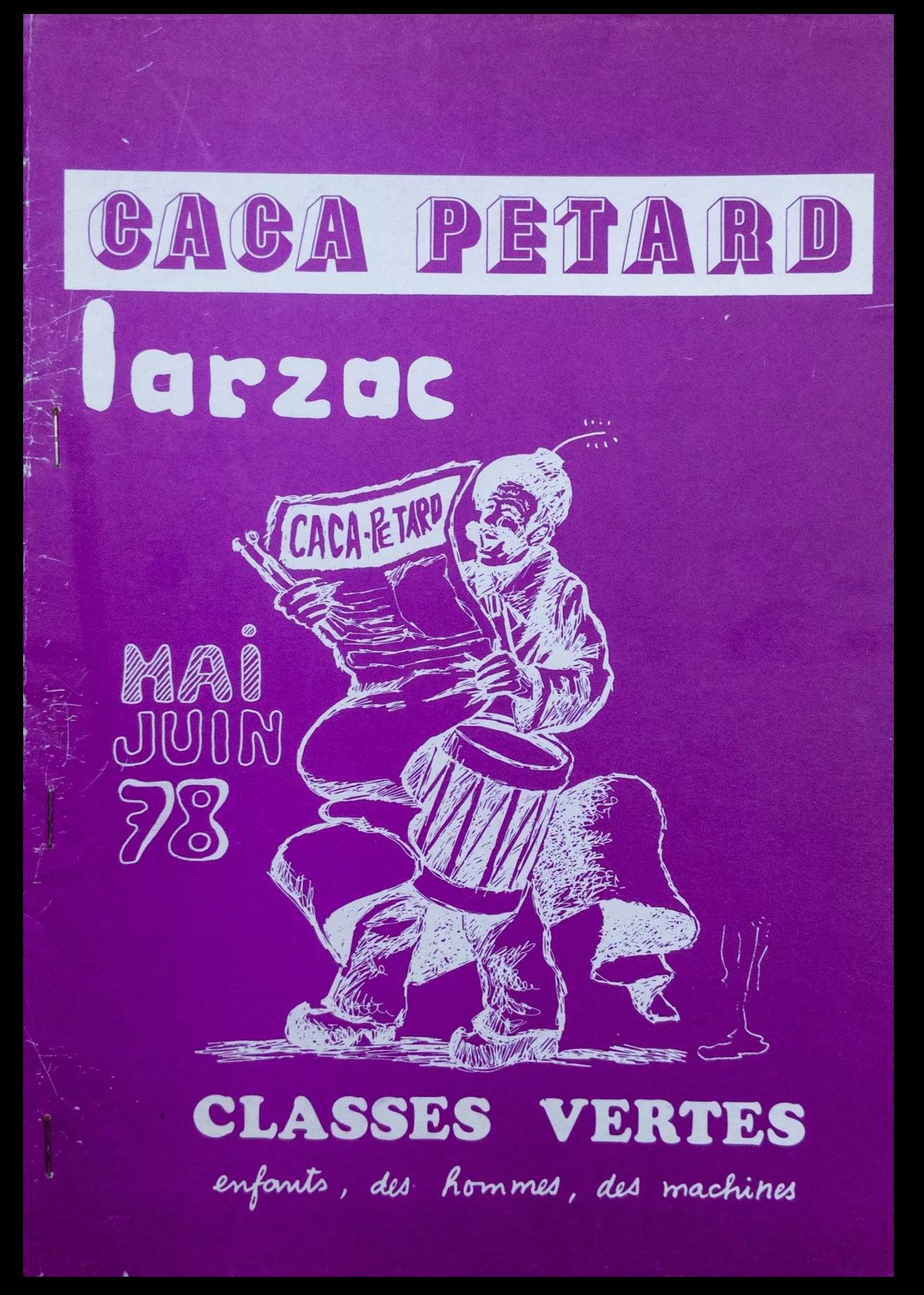
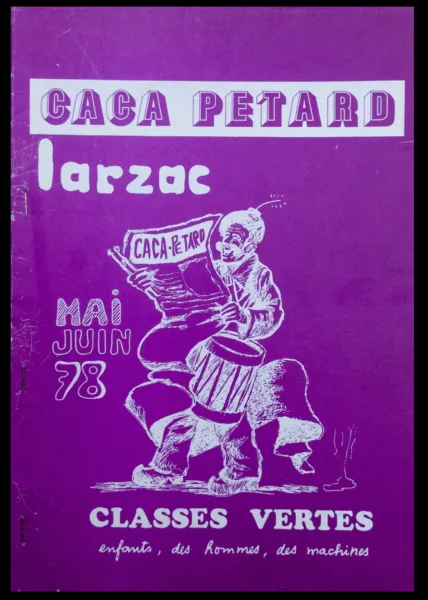
Couverture Caca Petard, spécial Larzac, mai-juin 1978

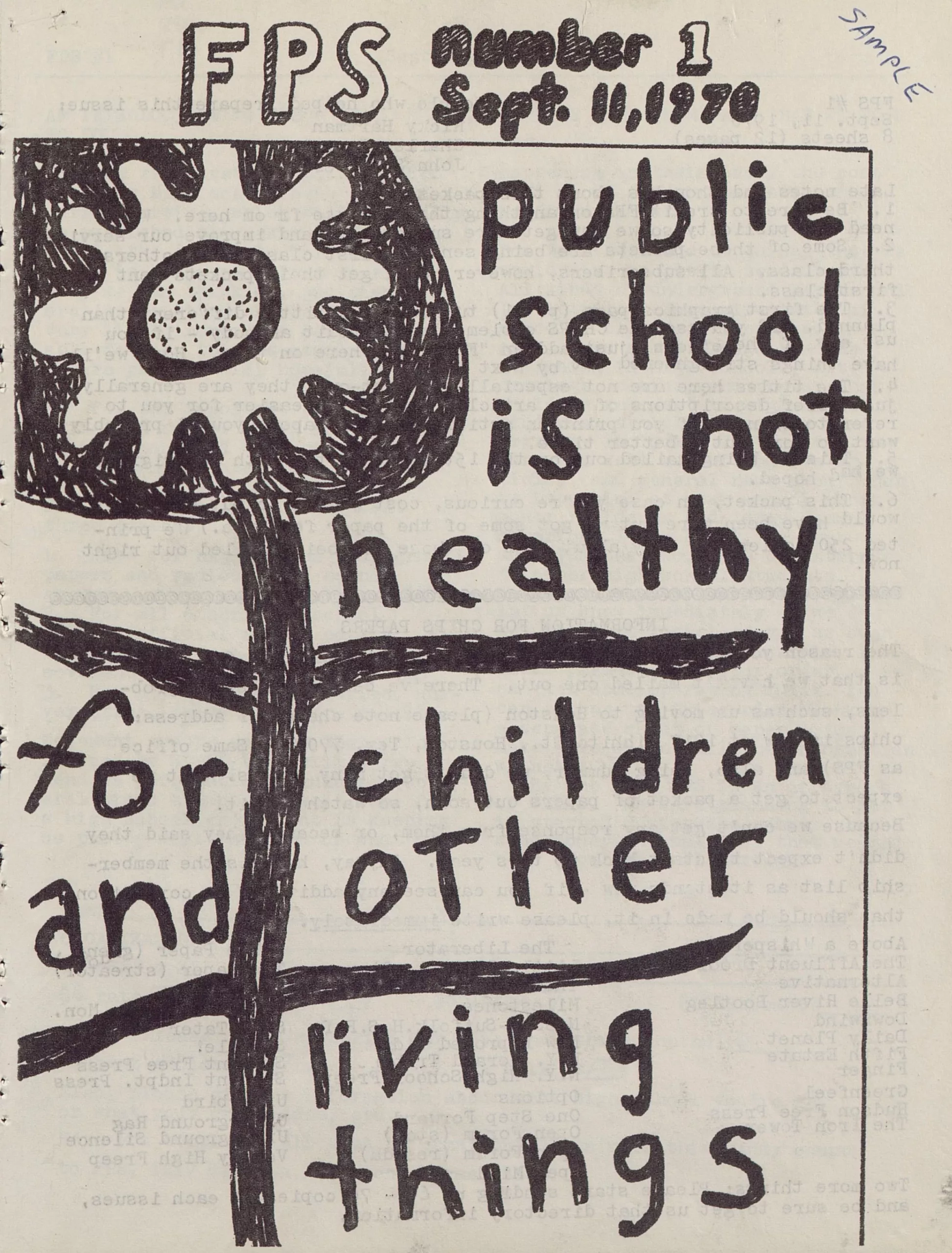
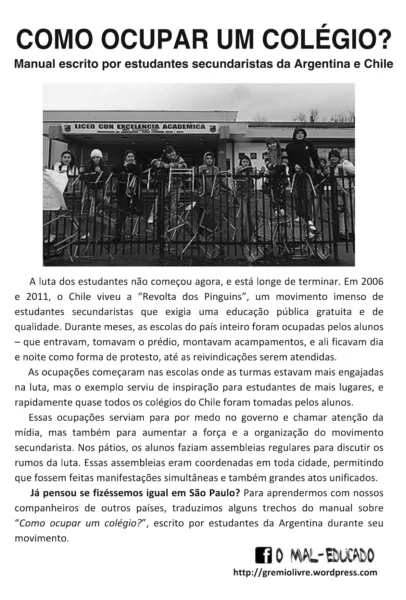
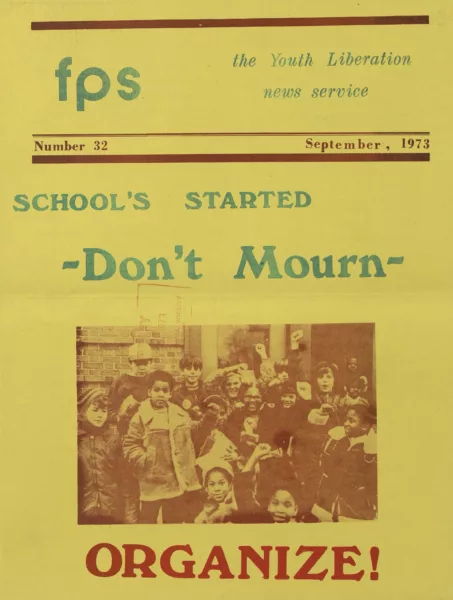
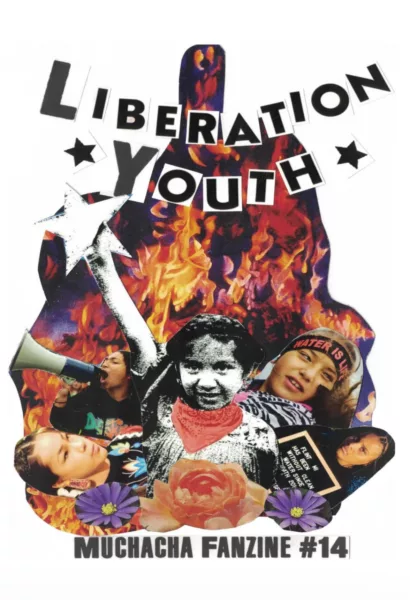
“Youth Liberation of Ann Arbor” was an organization based in Ann Arbor, Michigan. It existed from 1970 to 1979 and is often cited as one of the main precursors to several youth movements in the United States, including the youth rights movement, the youth voice movement, and the youth media movement.

FPS#01, public school is not healthy for children and other living things

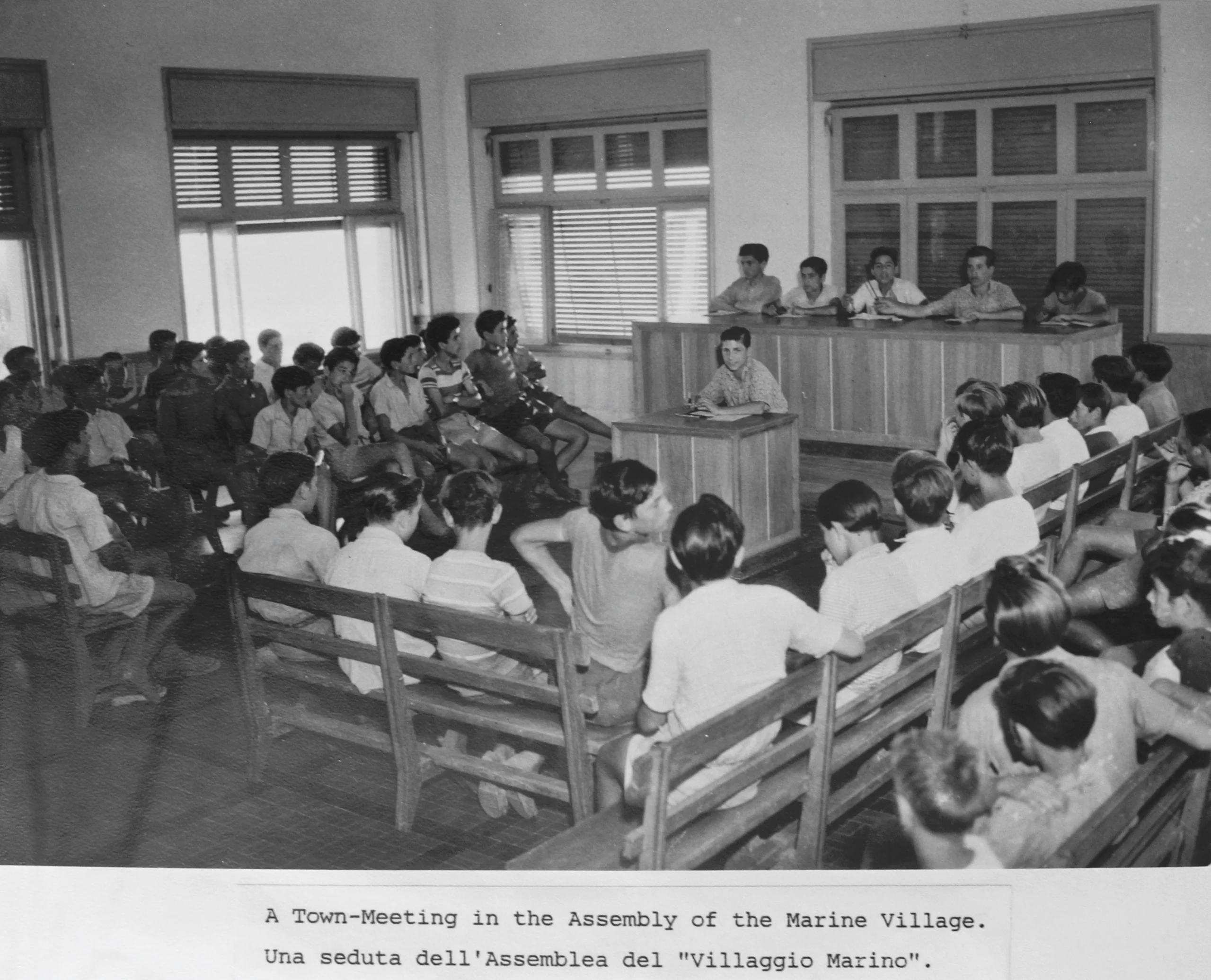
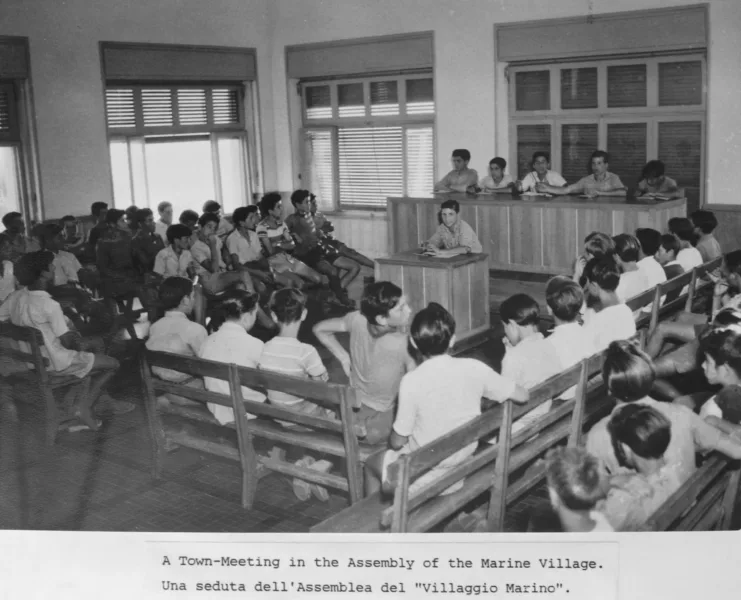
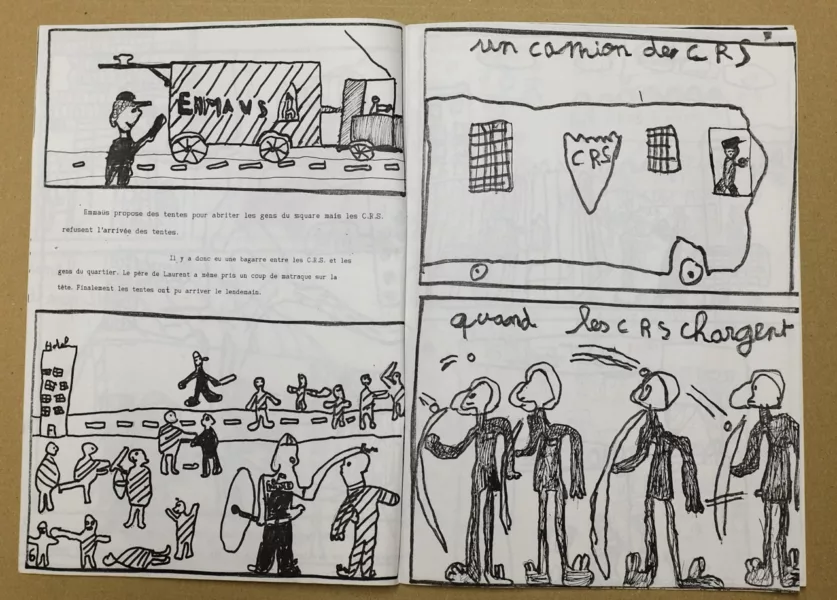
The history of children’s republics in Europe spans the years 1942 to 1955, with the creation of exceptional educational communities established during and after World War II to temporarily house orphaned children or those who had been suddenly separated from their parents for an indefinite period and were therefore homeless. These children’s republics have been the subject of a wealth of imagery and archival material. The children’s republics drew on the principles of progressive education: the best interests of the child, work, active learning, children’s autonomy, and, in particular, self-government, which relied on the active participation of children in both practical tasks and administrative duties. They become young citizens, elect their own government, and run courts, cooperatives, newspapers, and sometimes even a police force and an internal currency within the school.
This history has been the subject of an important book: Samuel Boussion, Mathias Gardet, and Martine Ruchat, *L’Internationale des républiques d’enfants 1939–1955: 1939–1955* (Anamosa, 2020).

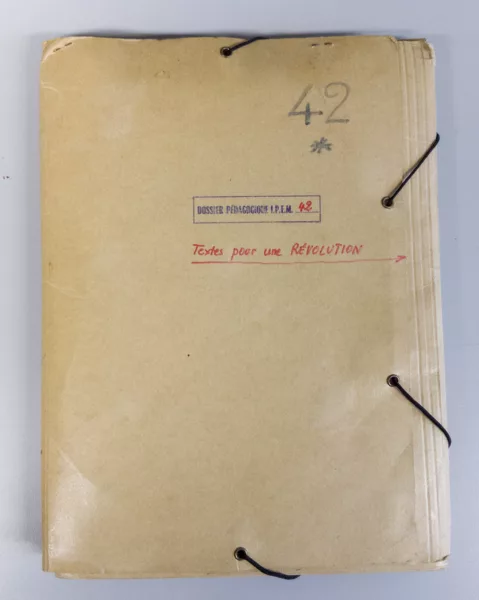
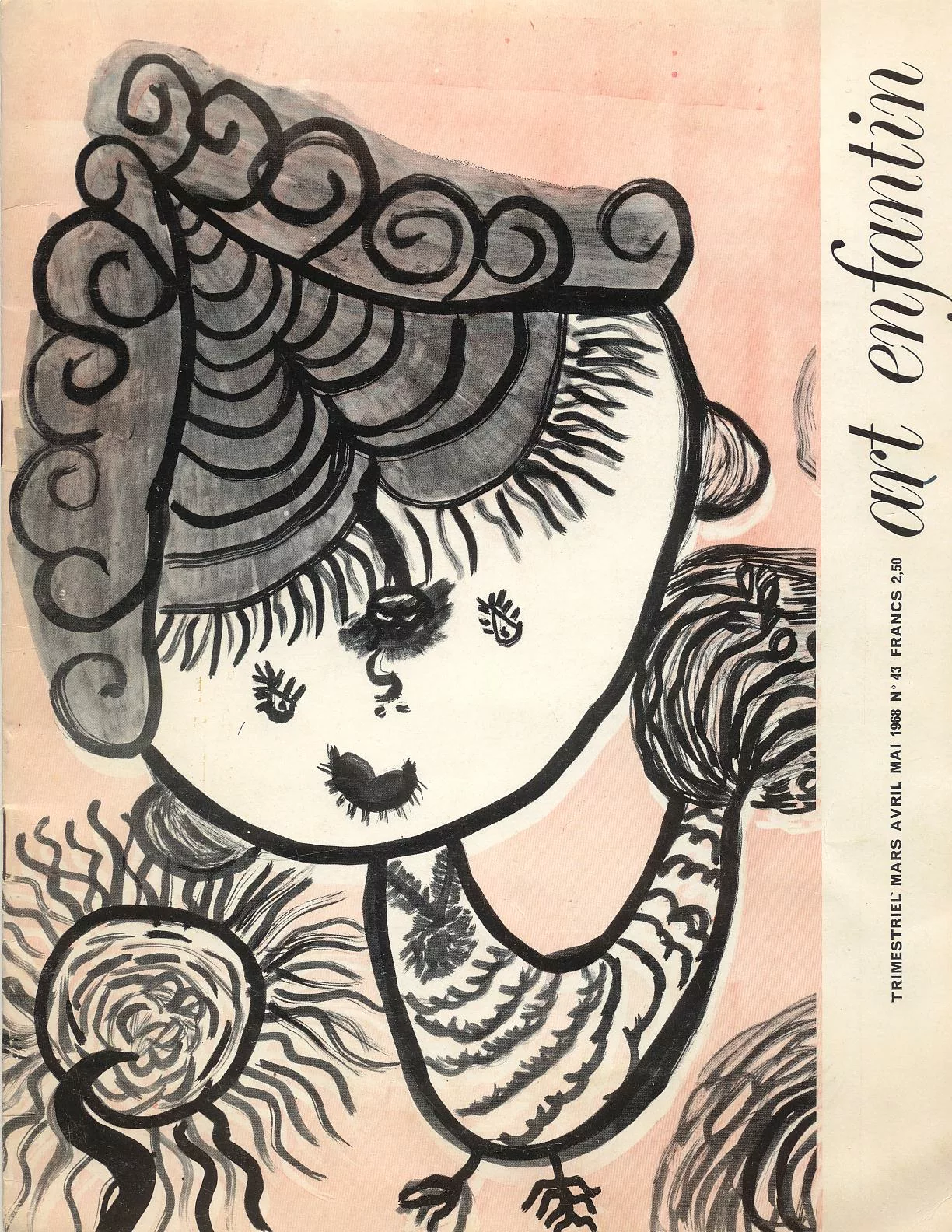
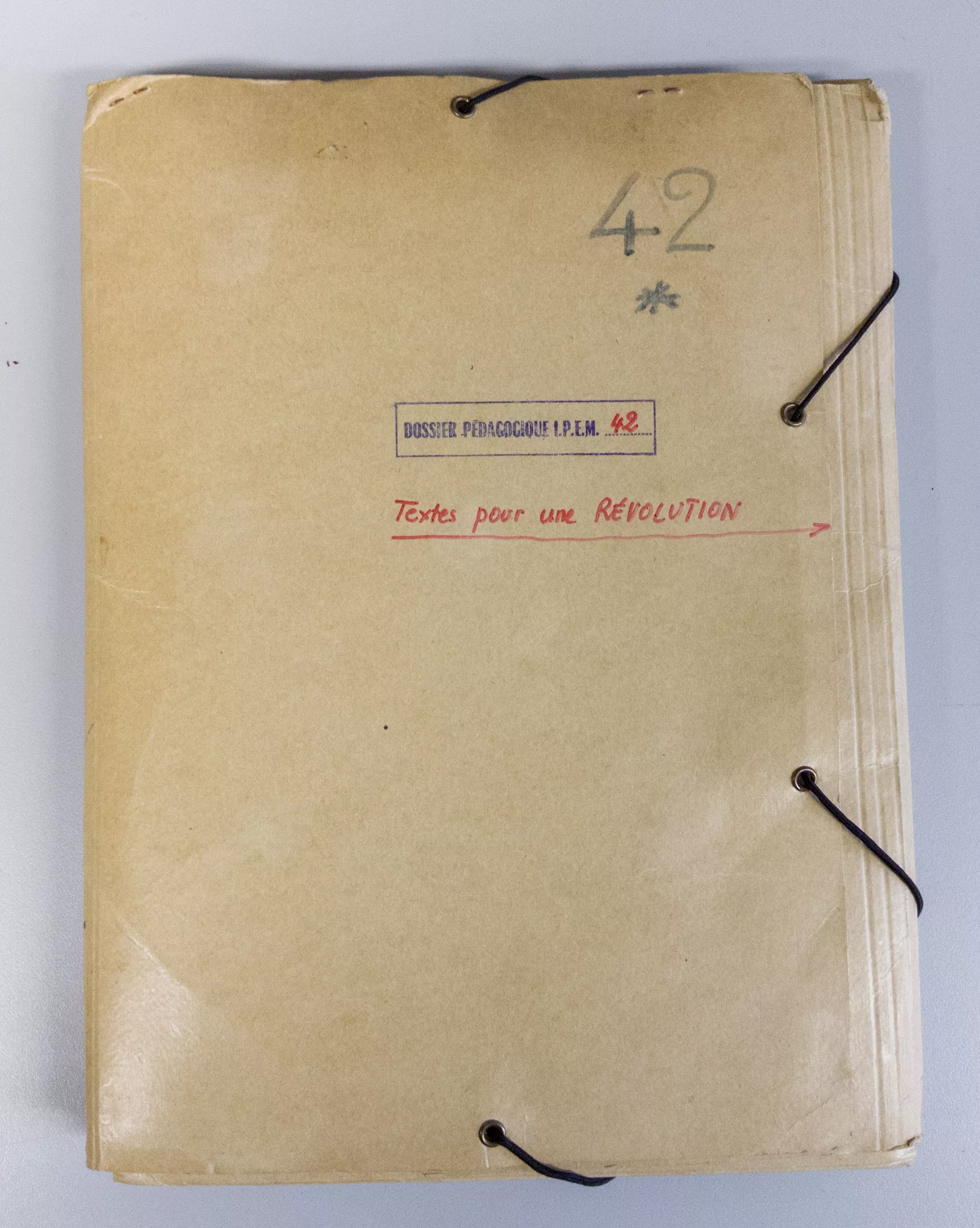
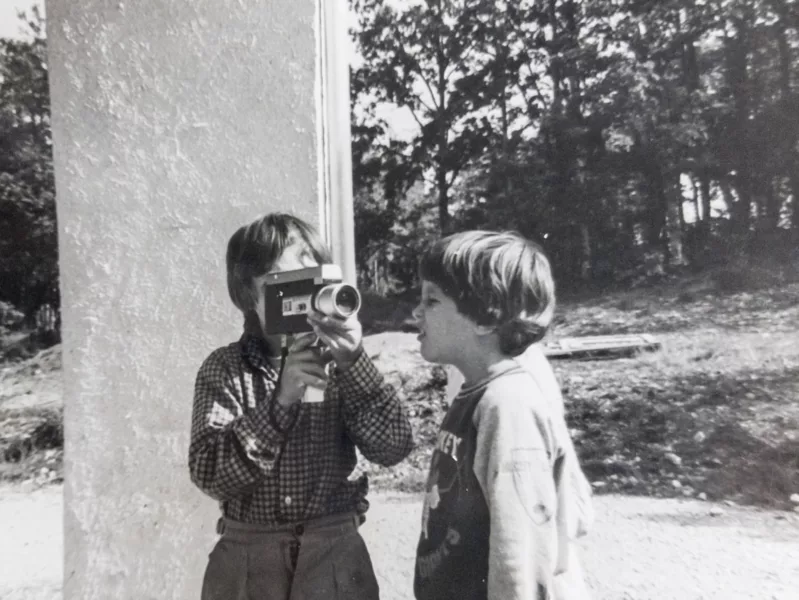
The Freinet method is an innovative educational approach developed by Élise Freinet and her husband, Célestin Freinet, based on the free expression of children—including free writing, free drawing, inter-school correspondence, printing, and student newspapers, among other activities. [Wikipedia]
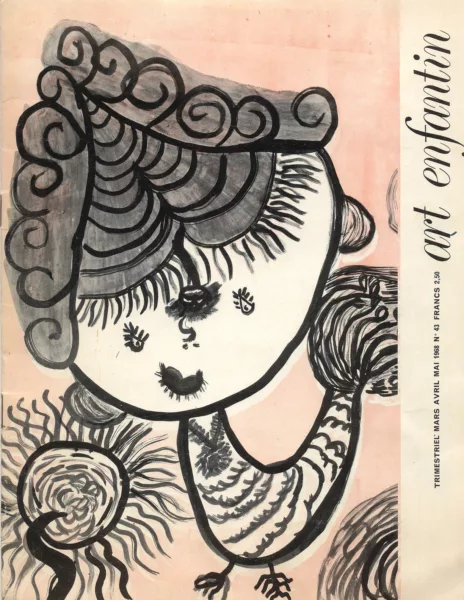
A selection of musique concrète vinyl records and issues of the newspaper “Art Enfantin” will be featured in the exhibition.

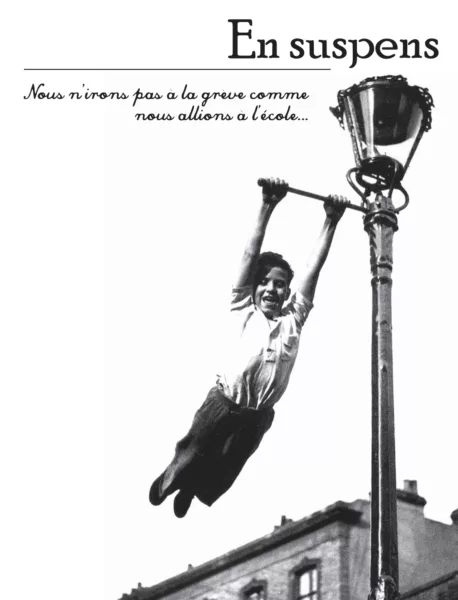
art enfantin n°43 mars-avril-mai 1968

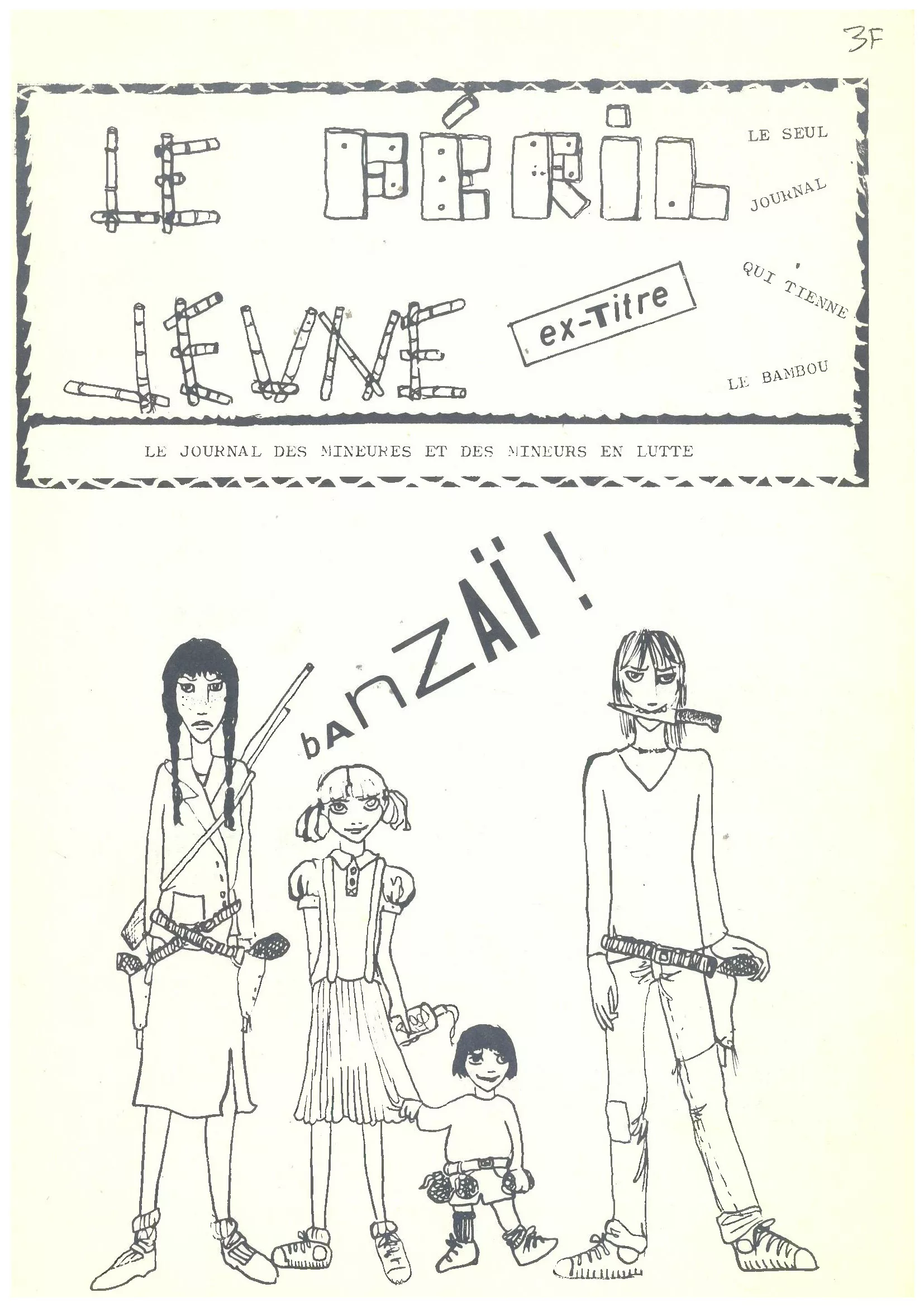
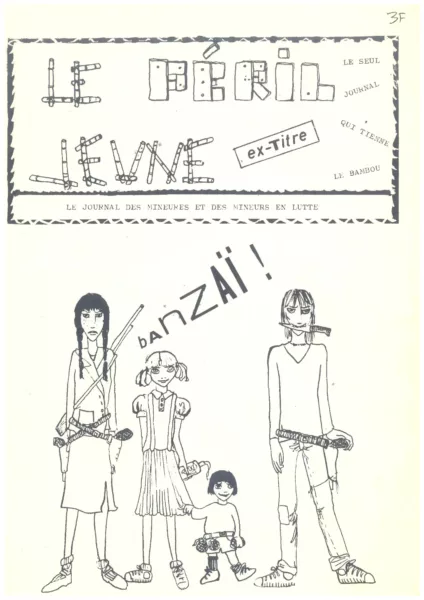
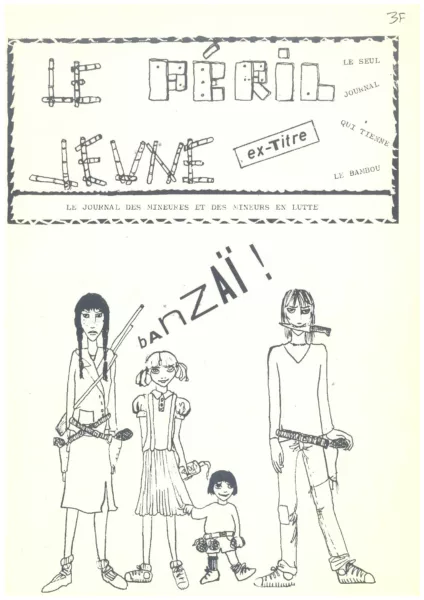
Le péril jeune
The newspaper of young people in struggle
The only newspaper that stands its ground
No. 1 (October 1979)

Revue conservée par le Centre d'histoire du travail

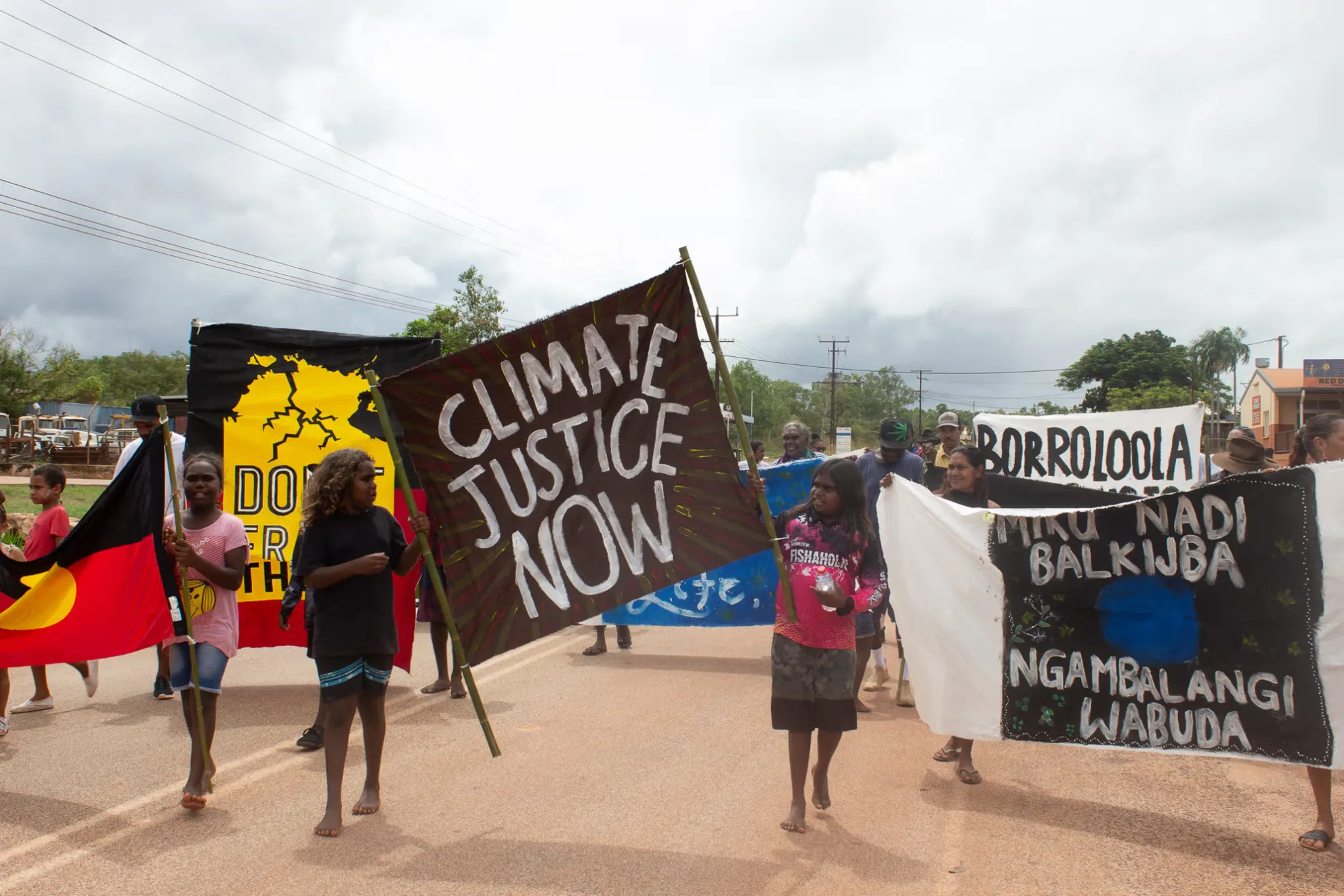
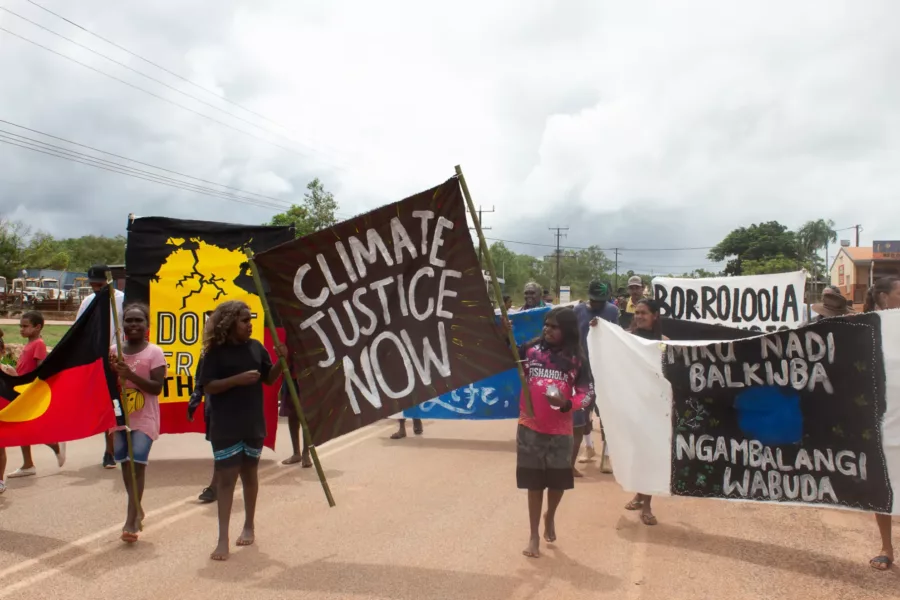
“Seed is Australia’s first Indigenous youth climate network, building a strong and connected movement of Aboriginal and Torres Strait Islander young people for climate justice.
Seed is led by and for Aboriginal and Torres Strait Islander young people. Together we are protecting our Country, culture, and communities from the causes and impacts of climate change. Our movement is grounded in culture and guided by the strength of our Elders and communities.” (Seed)

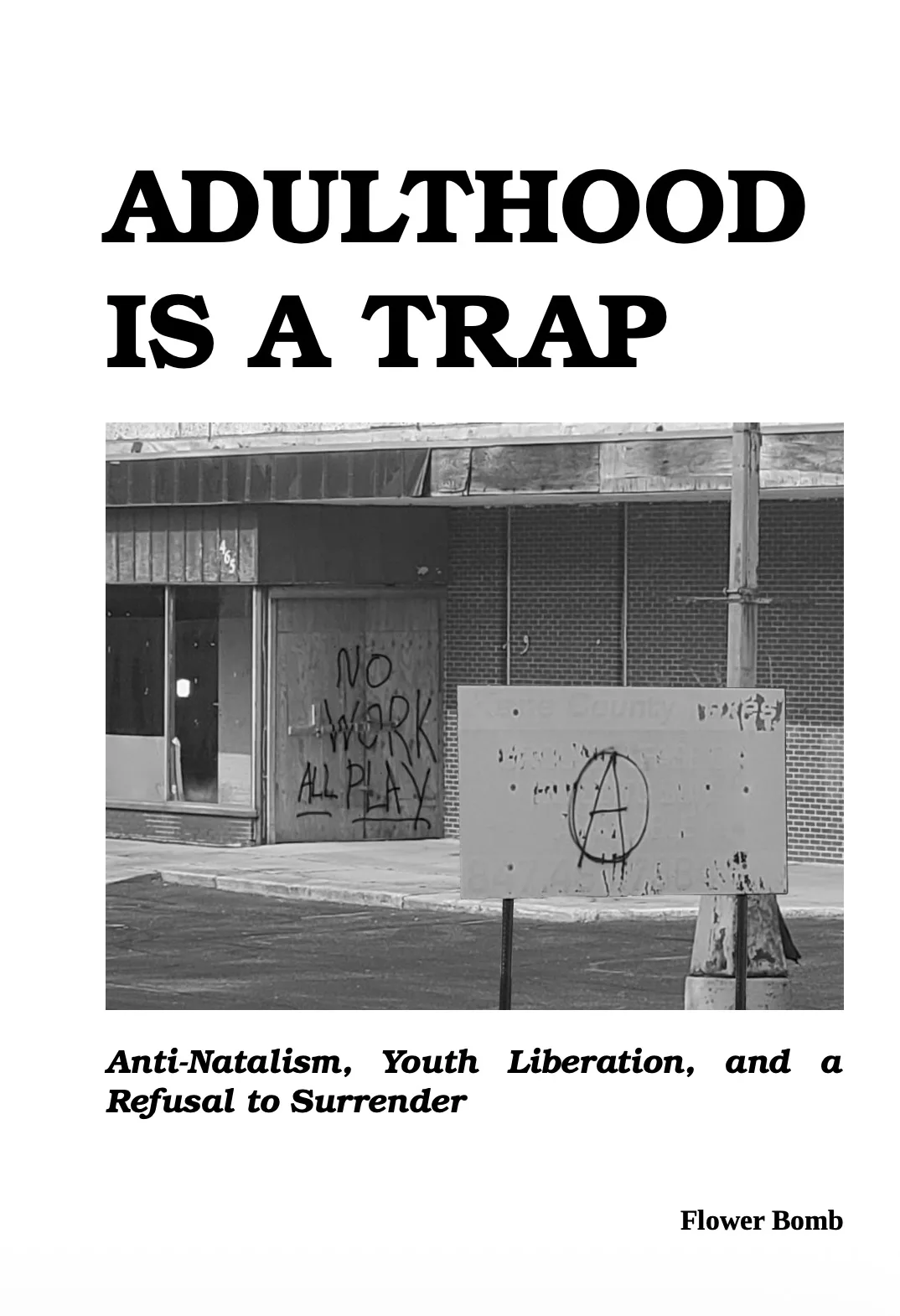
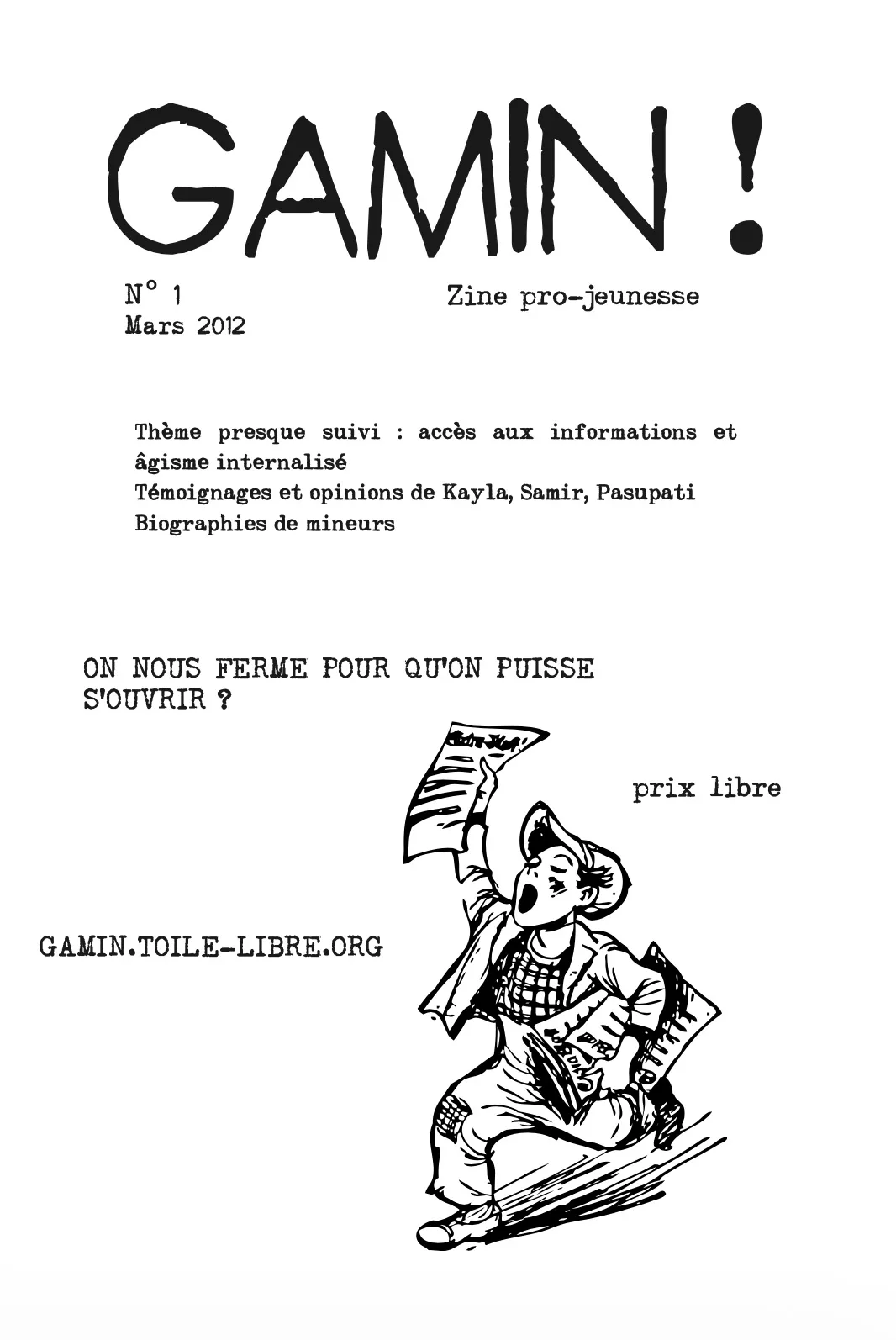
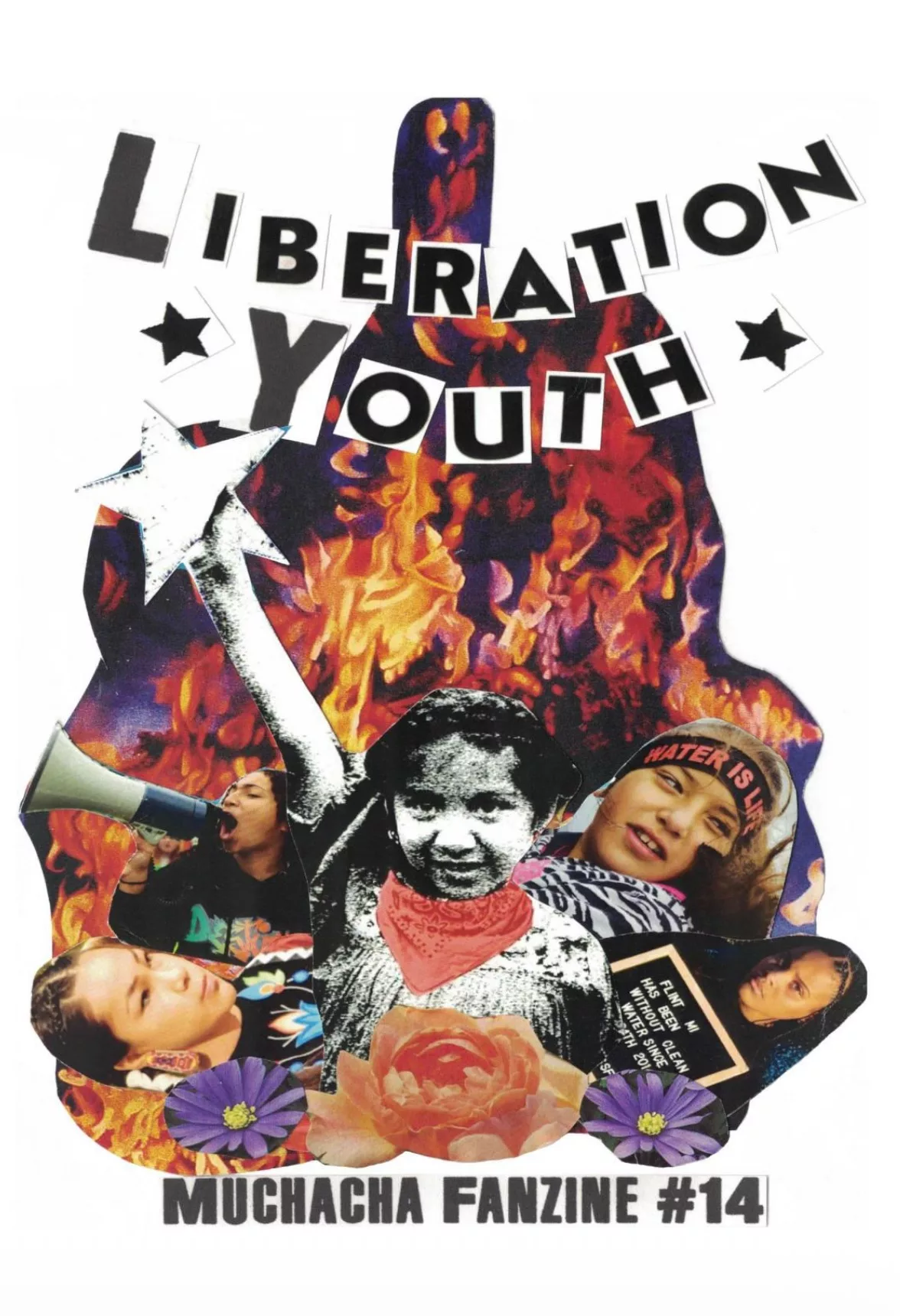
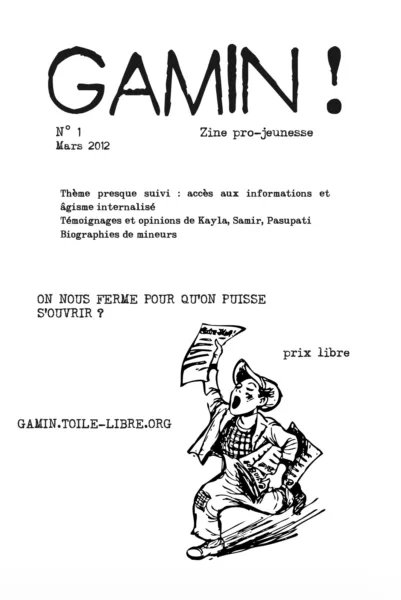
Drawing on the work of several activist collectives, including the Adultissime website founded by Gabriel Allegret, we will present a diverse archive of fanzines and copyright-free (or Creative Commons-licensed) texts in English and French, reprinted for the exhibition.
In addition, a printer will be available throughout the exhibition, allowing visitors to reprint a fanzine on-site to take home and read.

Workshops

Gabriel Allegret is a doctoral student in sociology and primatology researching adult domination and domestic violence. He is also the founder of the Adultissime website, which features numerous articles, fanzines, and resources on adult domination.

As part of the exhibition, Gabriel Allegret will lead a workshop on Saturday, December 12, titled “Letters to the Children of the 22nd Century” (registration on the CAC Malakoff website).

A researcher on forms of domination, therapist, author, and visual artist, Juliet Drouar has published Trauma: Putting an End to Our Violence (Stock), Moving Beyond Heterosexuality (Binge), The Culture of Incest (Seuil), co-edited with Iris Brey; the article “For Minors’ Right to Vote,” published in the anthology Politiser l’enfance (Burnout); and the novel Cui Cui (Seuil), which imagines a fictional world where minors have the right to vote and decision-making power. “One of the great revelations of 2025. ‘Driven by a language of rare inventiveness, Juliet Drouar’s narrative offers a new perspective on the research the scholar has conducted, particularly regarding the culture of incest.’” Johan Faerber, Collatéral.

As part of the exhibition, Juliet Drouar will lead a workshop on Saturday, January 16, 2027, in collaboration with the theater company Comedia Nostra.

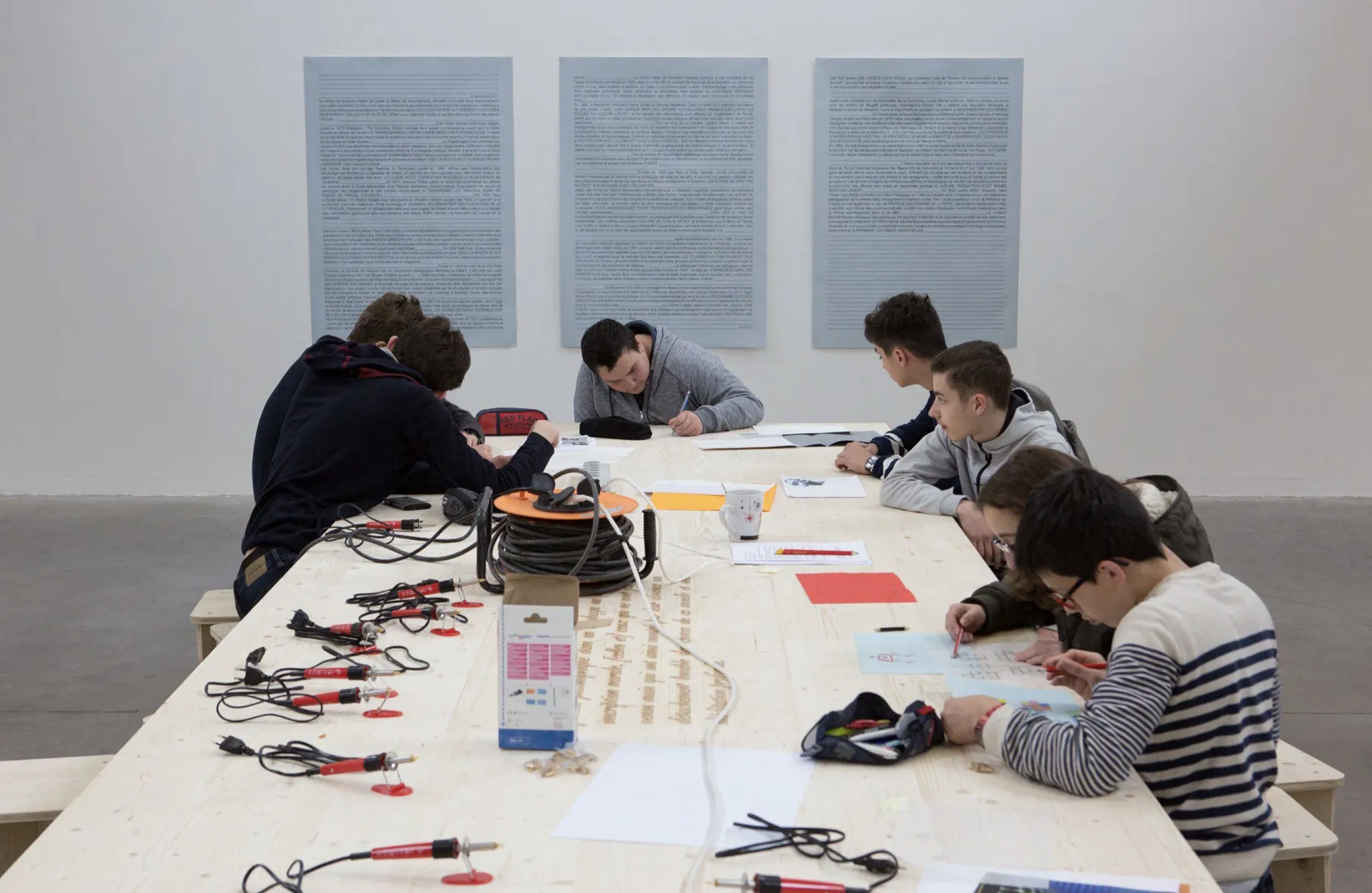
The more marginalized we are, the more difficult it seems to create archives. This raises questions, in particular, about memory, the writing of history, and the transmission of knowledge about social struggles. Reflections and the creation of archives documenting high school students’ struggles are currently underway. By high school students and actors from Comedia Nostra and Juliet Drouar, intended for high school students. Register on the CAC Malakoff website.

(c) Dorian Prost

The Microsillons collective, founded in 2005 in Geneva by Marianne Guarino-Huet and Olivier Desvoignes, develops collaborative artistic projects focused on social and civic reflection, using strategies drawn from critical and feminist pedagogies. The collective has collaborated with numerous cultural institutions in Switzerland and abroad. Since 2021, it has been conducting research on eco-pedagogy (https://ecopedagogy.ch/). Since 2015, microsillons has been responsible for the TRANSforme Master’s program in Art and Society, as well as the PhD Forum at HEAD – Geneva.

The Flipped Classroom
In the exhibition, three posters use text to call for acts of subversion linked to radical, libertarian, and feminist pedagogies. In addition, they will offer a workshop titled “The Flipped Classroom,” inspired by Paulo Freire’s eco-pedagogies.

As part of the exhibition, microsillons will offer a workshop on Saturday, March 13, 2027, putting the “flipped classroom” into practice.
Registration is available on the CAC de Malakoff website.

Exhibition Opening

Saturday, November 21, 2026

3:00 p.m.–5:00 p.m.

Workshop with the Dallas collective (the exhibition’s set designers)
which is offering a workshop focused on engaging with and collaboratively developing the exhibition design, open to everyone, including children.
Free with registration (maisondesarts(at)ville-malakoff.fr)

6:00 p.m.

Speeches by Elected Officials and curators

6:30 p.m.

Yoann Thommerel

Stratagems, performance, 20 minutes

Who decides what goes into children’s mouths? Promises, threats, blackmail, tricks, and staged scenes: anything seems fair game to get them to eat. At mealtime, power struggles and games of domination play out daily, and children resist, refuse, spit out their food, negotiate, and in turn devise their own strategies. If the dinner table is a space for transmission (norms, fears, love…), it is perhaps above all the first political arena—the site of children’s earliest experiences of disobedience.
Concept: Yoann Thommerel Production: Le Premier épisode⎮Sonia Chiambretto & Yoann Thommerel, with the support of Le Shed, Normandy Art Center.
A poet engaged in the fields of performance and action poetry, Yoann Thommerel brings his own texts to life in forms that draw on both the performing and visual arts. Language is the primary material of his work, which he explores as a living substance, a tool for connection and transformation. Together with Sonia Chiambretto, he founded the Groupe d’information sur les ghettos (g.i.g). As a director, he co-leads the theater company Le Premier épisode with her.
Food-related violence is at the heart of his concerns. He is notably the author of *Manger low cost* (éditions Nous, 2025). Currently in residence at Le Shed, a contemporary art center in Normandy, he is the initiator of the collective project *Rice Power*, a vast poetic exploration of modes of production and distribution, culinary practices, beliefs, and imaginaries linked to rice—the world’s oldest cultivated plant, a staple in times of crisis, and a constant presence in food aid baskets and on plates served in community kitchens.

19h

Speech by Fatene and students from the Lycée Paul Eluard in Saint-Denis

Encounters

Saturday, December 12, 2026

Saturday: Nourricier

2:00–4:00 p.m.: “Letters for the 21st Century” workshop
with Gabriel Allegret, child rights activist and doctoral student
Free with registration (maisondesarts(at)ville-malakoff.fr)

4:00–6:00 p.m.: “Eco-Childism” forum
with Gabriel Allegret, child rights activist and doctoral student
Mathis François Ball, committed environmental activist
Romane Volot Sénard, activist with the Collectif Enfantiste

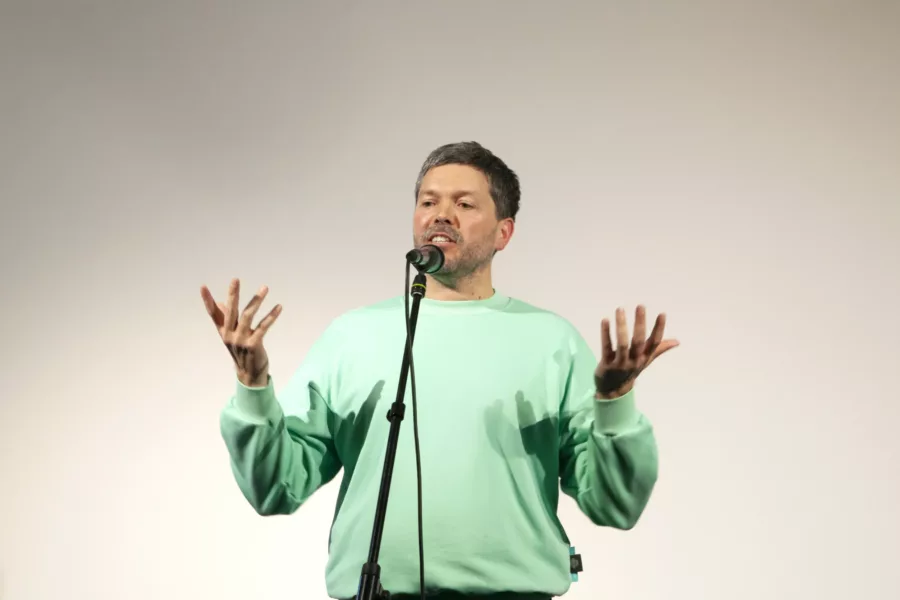
Gabriel Allegret is a doctoral student in sociology and primatology researching adult domination and domestic violence. He is also the founder of the website Adultissime, which features numerous articles, fanzines, and resources on adult domination.

Mathis François Ball
16 years old, high school student, co-leader of the youth group for September 26

Romane Volot Sénard, activist with the Collectif Enfantiste

Saturday, January 16, 2027

Saturday: Nourishing Day
2:00 p.m. – 4:00 p.m.: Workshop with Juliet Drouar and Commédia Nostra
The more marginalized we are, the more difficult it seems to create archives. This raises questions, in particular, about memory, the writing of history, and the transmission of knowledge about social struggles. Reflections and the creation of archives documenting high school students’ struggles are currently underway. Led by high school students and actors from Commédia Nostra and Juliet Drouar, this workshop is designed for high school students.
Free with registration (maisonsdesarts(at)ville-malakoff.fr)

4:00 PM – 6:00 PM: Agora “The Right to Vote from Birth?” with
Juliet Drouar, therapist, author, and visual artist
Clémentine Beauvais, author and essayist
Hinde Kaddour, playwright

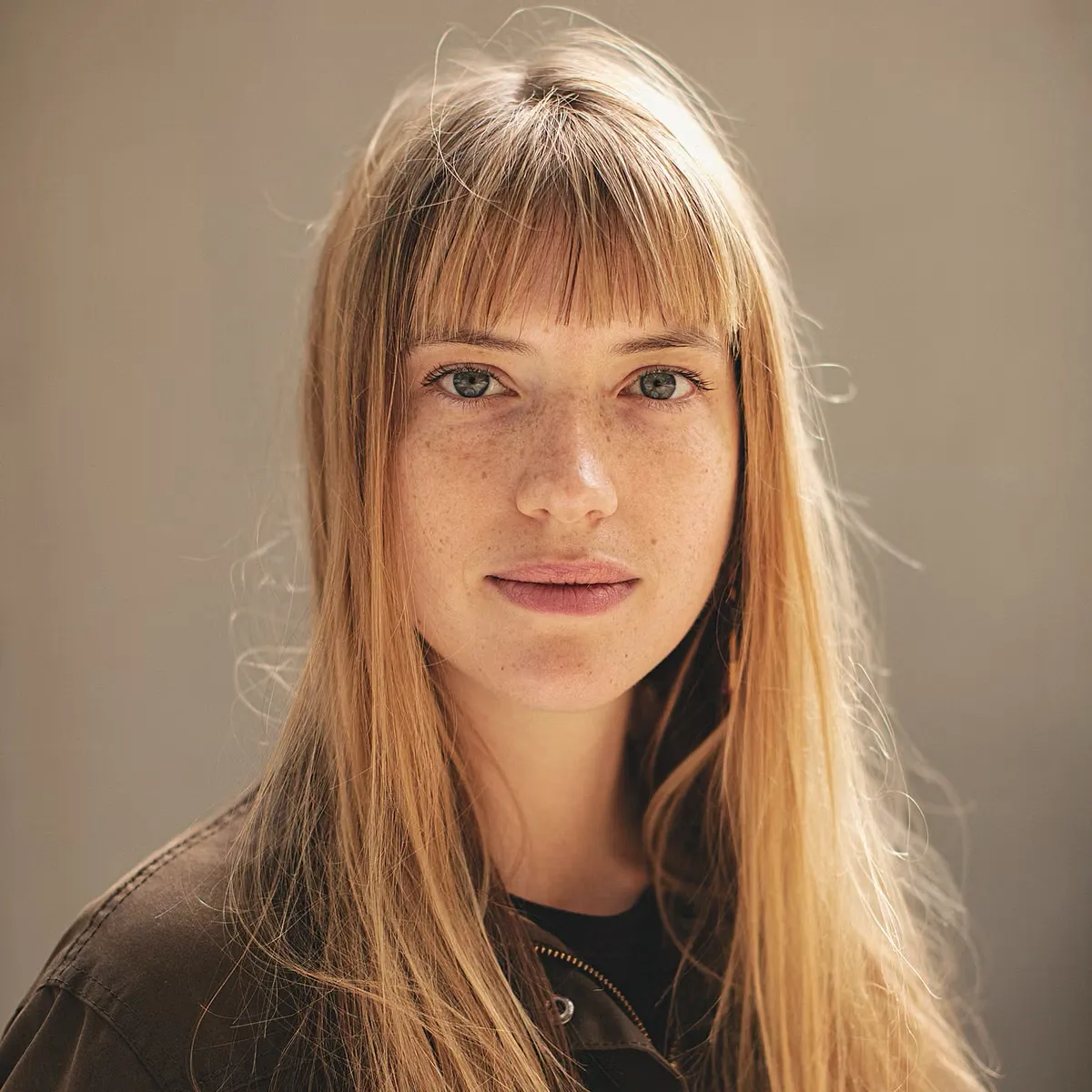
Juliet Drouar
Researcher on systems of domination, therapist, author, and visual artist. She has published *Trauma: Putting an End to Our Violence* (Stock), *Moving Beyond Heterosexuality* (Binge), “The Culture of Incest” (Seuil), co-edited with Iris Brey; the article “For the Right to Vote for Minors,” published in the anthology “Politicizing Childhood” (Burnout); and the novel “Cui Cui” (Seuil). which imagines a fictional world where minors have the right to vote and the power to make decisions. “One of the great revelations of 2025. Driven by a language of rare inventiveness, Juliet Drouar’s narrative offers a new perspective on the research the author has conducted, particularly regarding the culture of incest.” Johan Faerber, Collatéral.

(c) Dorian Prost

Clémentine Beauvais is a writer, translator, and feminist. Les Petites Reines (over 100,000 copies sold) was named Best Novel by Lire magazine and won the Prix Sorcières and the Prix Libr’à’nous. In 2024, she published an essay titled Pour le droit de vote dès la naissance.

Hinde Kaddour is a playwright. After several years as a literary collaborator at the Comédie de Genève, she joined the Théâtre Am Stram Gram, where she leads the “Agoras” programs for children and youth alongside Joan Mompart, the theater’s director. During these intergenerational weekends, the mechanisms of adult domination are examined and challenged. The starting point: to view children no longer as objects of education, but as rights-holders, qualified to debate the major issues of their time. Children and teenagers took the stage alongside artists and researchers to discuss climate activism, the right to food, gender fluidity, and children’s rights. It was within this framework that she created *Alexe* (2022), in collaboration with Alexe Scappaticci, director of Refuge Genève, which has been supporting LGBTIQ+ youth and their families since 2015. Drawing on the testimonies of children and parents, the performance is already rooted in children’s rights, particularly the right to be recognized for who one feels oneself to be. In 2026, the Agora and its production *Ambre* focused on the right to vote from birth. Created with a young girl, with Marion Cuerq—a specialist in children’s rights—on stage, *Ambre* connects what is usually kept separate: violence against children and their political exclusion stem from the same refusal to consider them as people. Drawing on testimonies from children in Switzerland, France, and Senegal, the performance incorporates the voices of children in the audience. The next Agora, in May 2027, will focus on school. In each of these contexts, Hinde Kaddour strives to amplify the political significance of children’s voices.

Thursday, February 4, 2027

Seminar 1

1:00 p.m. – 4:00 p.m.:
Benjamin Kiesewetter, philosopher, former member of K.R.A.T.Z.A
Mike Weimann, educator, former member of K.R.A.T.Z.A
Interpreter / Yves Tixier


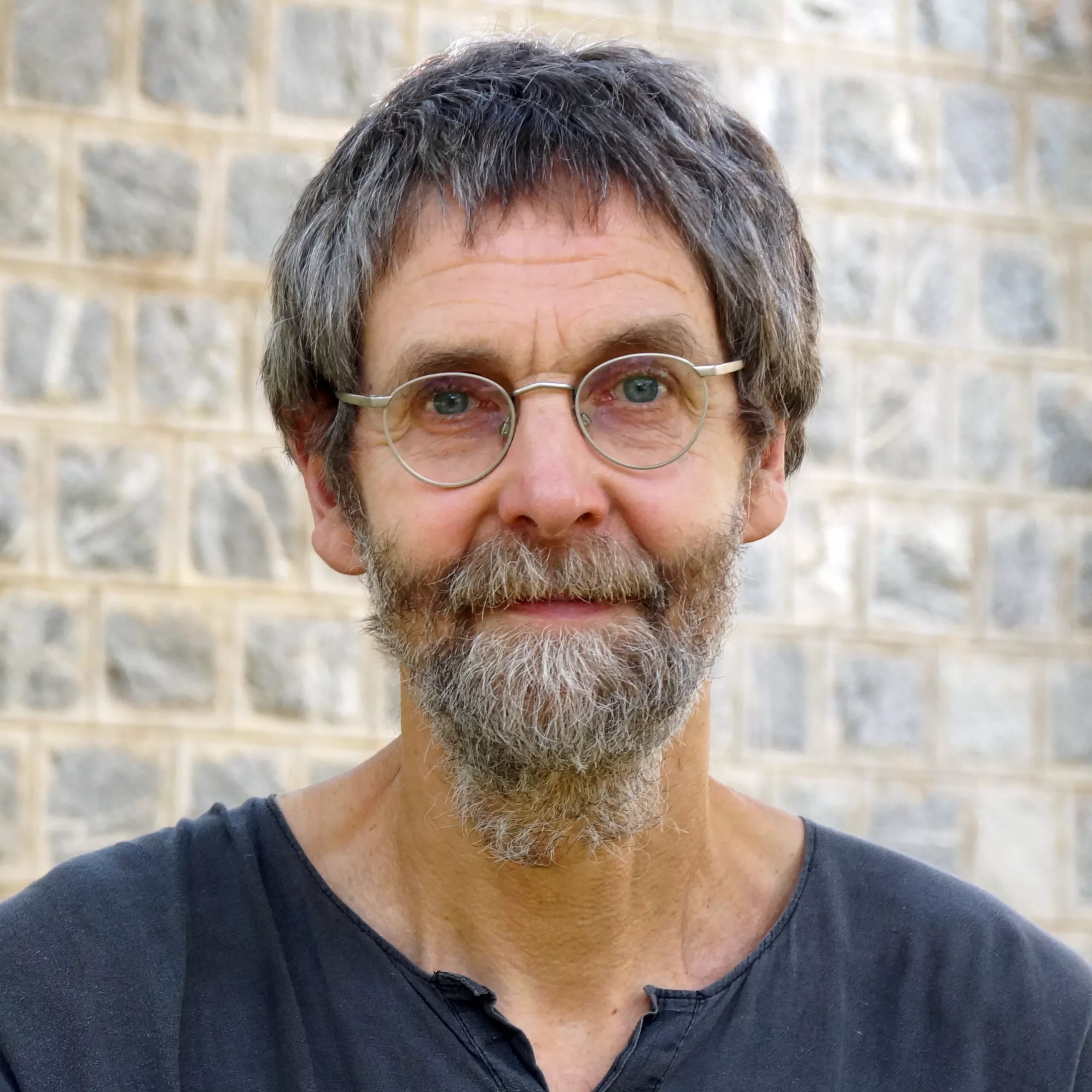
Benjamin Kiesewetter co-founded KRÄTZÄ in 1992 at the age of 13. He took part in a variety of KRÄTZÄ activities, including the constitutional complaint over the denial of the right to vote (1996) and the school boycott for self-determined learning (1997-98). He later studied philosophy, cultural studies, and German literature at Humboldt University and wrote a dissertation in the theory of rationality (2014). Since 2023, he has been Professor of Philosophy at Bielefeld University. In 2024, he received the German Award for Philosophy for his work on the normative dimension of human reason. He is Principal Investigator of the ERC project “The Structure of Normativity”.

Mike Weimann has been campaigning for equal rights for children and adults since the 1980s. In 1992 he was a founding member of the the children’s rights group K.R.Ä.T.Z.Ä. in Berlin, where he was active for many years. One of the main aims of the group was to abolish the voting age. He became the author of the book „Voting Rights for Children – a polemic“ (2002) which was translated and published in English by Common Threads Press in England (2025). Another key topic of K.R.Ä.T.Z.Ä. was alternatives to traditional schools. The group organised the 13th International Democratic Education Conference (IDEC 2005) in Berlin, which led to the foundation of the European Democratic Education Community (EUDEC, 2008). He is co-founder of a Democratic School in Berlin, Germany (2008). The association behind these activities is Netzwerk Spiel/Kultur in Berlin – where he has been a member of the board for many years. He has been a member of EUDEC since its founding and served on the board for several years.

Thursday, February 11, 2027

Seminar 2

1:00 p.m. – 4:00 p.m.:
High School Student Protests with
Robi Morder, co-author of When High School Students Spoke Out
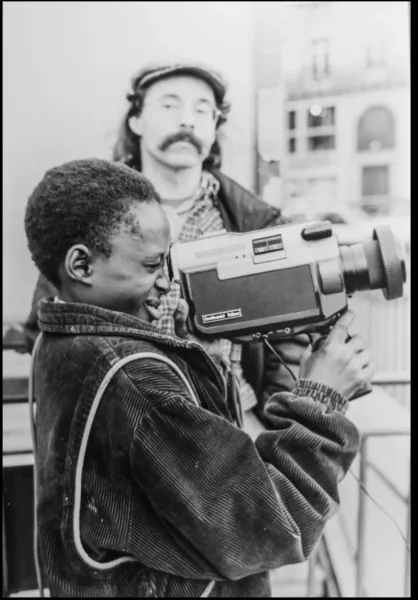
Keith Hefner, founder of Youth Liberation
Translator: Yves Tixier

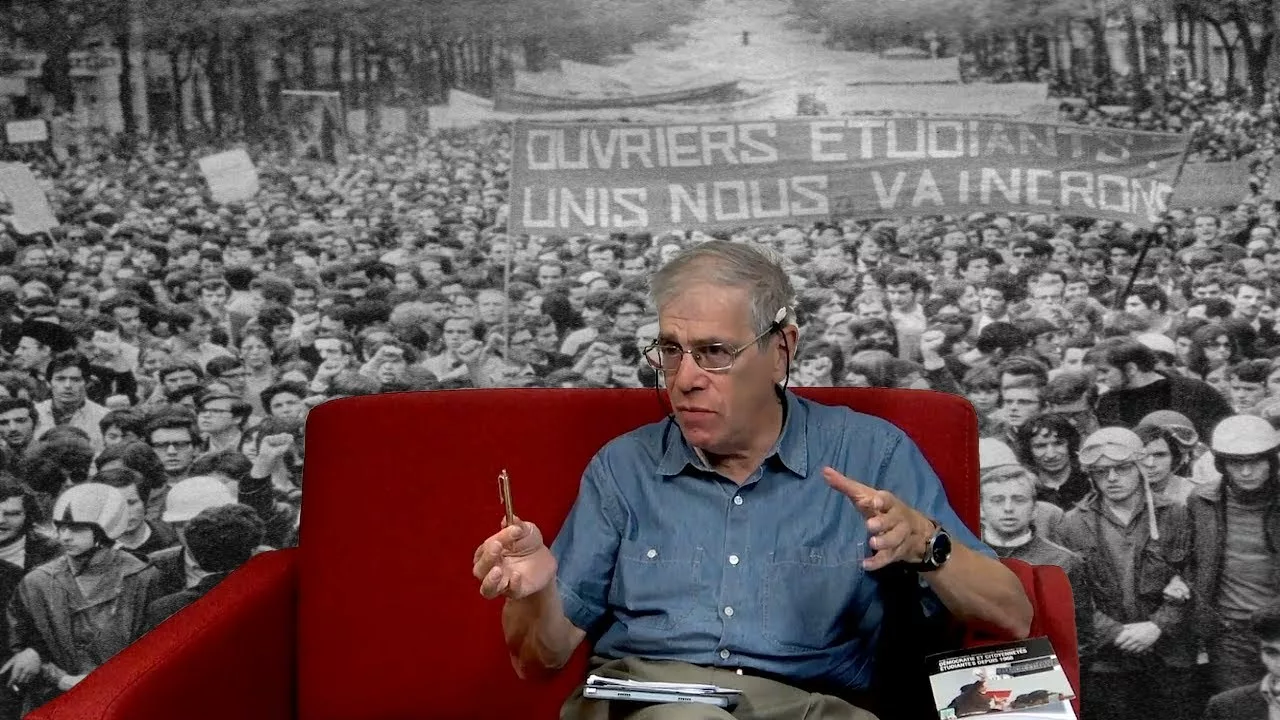
A specialist in the history of student and high school movements, Robi Morder is a research associate at the Printemps Research Lab (University of Versailles Saint-Quentin-en-Yvelines) and coordinator of the study and research group on student movements (Germe). He is also co-author of the book *Quand les lycéens prenaient la parole* (Syllepse), published in 2018 to mark the 50th anniversary of May 1968.

Keith Hefner is executive director at Youth Communication (YC) (www.youthcomm.org), which he founded in 1980 to give a voice to New York City teenagers. Youth Communication publishes two magazines written by teens, YCteen and Represent: The Voice of Youth in Foster Care. Youth Communication has also published 20 curricula that center youth voices and more than 70 anthologies of teen essays on race, gender, sexuality, schooling, relationships, identity, and many other topics. Prior to founding YC, from 1971 to 1979 Hefner was a founder and director of Youth Liberation, an organization focused on children’s rights and student activism. Youth Liberation published a magazine for activists and ran services to support the editors of high school underground newspapers. It also published a series of books on children’s rights and activism, including How to Start an Underground Newspaper, Growing Up Gay, High School Women’s Liberation, and Student and Youth Organizing. Hefner is the recipient of a MacArthur Fellowship and a Revson Fellowship on the Future of New York City.

Thursday, February 25, 2027

Seminar 3

1:00 p.m. – 4:00 p.m.:
Children’s Republics with historians Samuel Boussion and Mathias Gardet
The Vitruve School with the Vitruve Archives collective (Cécile Lavert, Jeanne Revel, Isabelle Massu, Gérard Delbet)

Samuel Boussion is a historian and associate professor of education at the University of Paris 8 Saint-Denis, and a member of the IHTp (Institute for the History of the Present), UMR 8244 CNRS, University of Paris 8 Saint-Denis. His work focuses on the history of special education, examining the care provided to so-called “irregular” children—at the intersection of medicine and pedagogy—from a transnational perspective, as well as that of “displaced” children. In particular, he has edited special issues of the *Revue d’histoire de l’enfance “irrégulière”*: “Around the Child: The Circle of Professionals, 19th–20th Centuries” (2010), and “The Psychiatrist, the Child, and the State. Issues in a Speciality in the Making, 1900–1950,” with Jean-Christophe Coffin (2016), as well as a special issue of *Études sociales*, “Education and Re-education in Colonial Contexts in the Maghreb, 19th–20th Centuries,” with Sylvie Thénault (2010). He has published: *Special Education Teachers: The Birth of a Profession, 1947–1959* (Rennes: PUR, 2013); and, with Mathias Gardet and Martine Ruchat, *The International of Children’s Republics, 1939–1955* (Paris: Anamosa, 2020).

Mathias Gardet is a professor of education sciences at the University of Paris 8 and a researcher at the Institute of Contemporary History; he is also the director of the ENPJJ’s historical exhibition center, “Children in the Justice System: 19th–20th Centuries,” in Savigny-sur-Orge
His research focuses on social policies concerning children and youth, whether those classified as “popular education,” “new education,” or those referred to as “special” or “specialized education” for so-called “maladjusted” youth (orphans, delinquents, mentally retarded children, social welfare cases, children with disabilities, etc.).

Vitruve Archives Collective
Let’s imagine that a group of people has taken up residence in a Parisian school. A sort of vacation spot for incurable nomads, a new kind of long-term lease (soon to be sixty-four years already), a peninsula, a pause, a sanctuary, a resurgence… We welcome choreographers into places of worship, horse trainers into princely palaces, little-known writers into public libraries, open-air movie theaters, barricades on street corners, new words into academic dictionaries, Homo sapiens into the caves of Pont d’Arc…
Vitruve is this place of residence. If it is a school, it has been realized. The people still there talk to one another, meet, and move about. Our current task is to reconstruct what they said to one another, what they found, and what they moved, to arrive at where they are now. Vitruve is a collective effort. Without intellectual mentors, without masters of any kind. With the young and the old, the small and the great. Everyone is at work. And for a child, that work is their childhood. Our current task is to listen to them express themselves in their own words. From a learning organization to apprentices who organize themselves. Hands that rebuild, hands that reshape.

Thursday, March 4, 2027

Seminar 4

1:00 p.m. – 4:00 p.m.:
Misopedy & Literature with
Cécile Kovacshazy
and (TBD) Sabrina Calvo

Cécile Kovacshazy is a senior lecturer (HDR) in comparative literature. Her research focuses on marginalized and oppressed populations. She organized the first conferences on adult domination and misopedics.

Sabrina Calvo (subject to change)

Thursday, March 11, 2027

Seminar 5

1:00 p.m. – 4:00 p.m.:
with
Vincent Romagny, curator and publisher, “expositions & enfance”
and Camille Richert, art historian, curator and independent art critic, discussing Hackney Flashers

Vincent Romagny is a researcher in aesthetics and an independent publisher. His research focuses on the intersections between art, childhood, and politics, particularly issues related to exhibitions and playgrounds. He teaches at the École nationale supérieure des Beaux-arts de Lyon.

Camille Richert, an art historian and Ph.D. graduate of the IEP in Paris, is a researcher, curator, and independent art critic, as well as a professor at ENSBA Lyon. She studied contemporary history at the ENS in Lyon and authored a dissertation on representations of labor in the Western world since 1968. She continued her research on the British collective the Hackney Flashers, on whom she published *Parents Must Unite + Fight*, the first monograph dedicated to them, which won the Swiss Most Beautiful Books Award. Camille Richert has been involved in programming at the Salle de bains in Lyon; she curated “Hope for Change” at the CEAAC in Strasbourg and Aware’s “+1” program; co-curated the 2nd Art & Industry Triennial in Dunkirk; served as publications director at Lafayette Anticipations; and headed the Sciences Po Prize for Contemporary Art.

Saturday, March 13, 2027

Saturday: Nurturing Day
2:00 p.m. – 4:00 p.m.: Microsillons Workshop
“The Flipped Classroom,” inspired by Paulo Freire’s eco-pedagogy
Through a display in the exhibition, the Microsillons collective will present a series of instances where children have taken educational control in various settings, drawing on experiences from (eco)pedagogy, anarchist, libertarian, and feminist movements, as well as works of fiction. Based on this material, a nurturing workshop is offered to discuss the challenges and methods of these acts of empowerment; this discussion will be followed by a call for new stories, which will then be incorporated into the exhibition following the initial selection. Free with registration (maisondesarts(at)ville-malakoff.fr)

4:00 p.m. – 6:00 p.m.: Agora “Communization of Care” with
Aurel Tincelin, author
and (subject to confirmation) M. E. O’Brien

The Microsillons collective, founded in 2005 in Geneva by Marianne Guarino-Huet and Olivier Desvoignes, develops collaborative artistic projects focused on social and civic reflection, using strategies drawn from critical and feminist pedagogies. The collective has collaborated with numerous cultural institutions in Switzerland and abroad. Since 2021, it has been conducting research on eco-pedagogy (https://ecopedagogy.ch/). Since 2015, microsillons has been responsible for the TRANSforme Master’s program in Art and Society, as well as the PhD Forum at HEAD – Geneva.

Aurel Tincelin is an author (And Melting the System, Burn, August 2026; “Everything We Talk About Is Weird” in collaboration with Charlie Tincelin-Perrier in *Politicizing Childhood*, Burn August, 2023; *We Only Have Two Lives*, Cambourakis, 2019), and a translator ( *Letters to Lost Souls*, Kai Cheng Thom, Burn August, 2027; *The Pedals and Their Friends Between the Revolutions*, Larry Mitchell & Ned Asta, Éditions du Commun, 2023; *Giving Birth*, Alana Apfel, Cambourakis, 2019), activist, parent, and a bit of a therapist. They believe in joy and love as forces for transforming our worlds.

Thursday, March 18, 2027

Seminar 6

1:00 p.m. – 4:00 p.m.: Program to be announced

Practical Information

Malakoff Contemporary Art Center
Maison des Arts
105 Avenue du 12 Février 1934
92240 Malakoff

Saturday, November 21, 2026, through March 13, 2027
Free admission

Wednesday through Friday: 12:00 PM to 6:00 PM
Saturday and Sunday: 2:00 PM to 6:00 PM.
Mondays and Tuesdays by appointment.

Closed on public holidays.

Accessible to people with limited mobility.

Tel.: 01 47 35 96 94
Email: maisondesarts(at)ville-malakoff.fr

Acknowledgments

le peuple qui manque would like to thank the CAC Malakoff and its team (Aude Cartier, Léa Djurado, Zélia Bajaj, Muntasir Koodruth, Juliette Giovannoni, Clarence Guéna, Bojan Nikolic, Diane Mesquita, Josselin Vidalenc, Patricia Nicolas, The Shelf Company), and its partners, the artists and rights holders of the exhibition, as well as Archiv der DDR-Opposition (Sabine Teske, Leonie Peuker), Swiss Social Archives (Stefan Länzlinger), the École de Vitruve & the Archives Vitruve collective (Cécile Lavert, Jeanne Revel, Isabelle Massu, Gérard Delbet), the September 26 Movement, Coop ICEM (Agnès Joyeux, Nathalie Croguennoc), the Center for Labor History (Manuella Noyer, Pauline Pernet), Video Data Bank (Emily Faith Martin), the Special Collections Research Center at Temple University Libraries in Philadelphia (Melissa Minds VandeBurgt, Holly B. Wilson, Evan Weinstein), the Seed Indigenous Youth Climate Network (Georgia Griffiths, Angel Owen, Phoebe Delaney, Sam), Etopia Archives (Szymon Zareba, Valentine Biernaux), Bernard Muscat, Maud Mandart and the Saint-Nazaire Experimental High School, Archives de Paris, Picto (François George), Stéphane Polart, Le canard des enfants-philosophes (Céline Ohannessian, Émilie Renault), Justseeds Artist Cooperative, Centre Wallonie Bruxelles (Stéphanie Pécourt, Ariane Skoda), Léa Mosconi, Louis (loloce_politic), Kamal Hachkar, Tania Naselski, Sandra Patron, Isabelle Cambourakis, Samuel Boussion, Mathias Gardet, Yves Tixier, Alice Meker (Malakoff Infos), Johan Faerber (Collateral Magazine), Pablo Maillé (usbeketrica).

The public events for this project received support from the multidisciplinary research program “Archival Communities: Minority Heritage of Protest” (2026–29), funded by Hermès and France 2030, led by Sorbonne Nouvelle, and initiated by Magali Nachtergael, Hélène Fleckinger, and Véra Léon. This project, drawing on a research-and-creation approach, explores ways of building community through the archives and memories of protest movements. The public seminar is also supported by the TEAMeD/AIAC research laboratory at Paris VIII.